





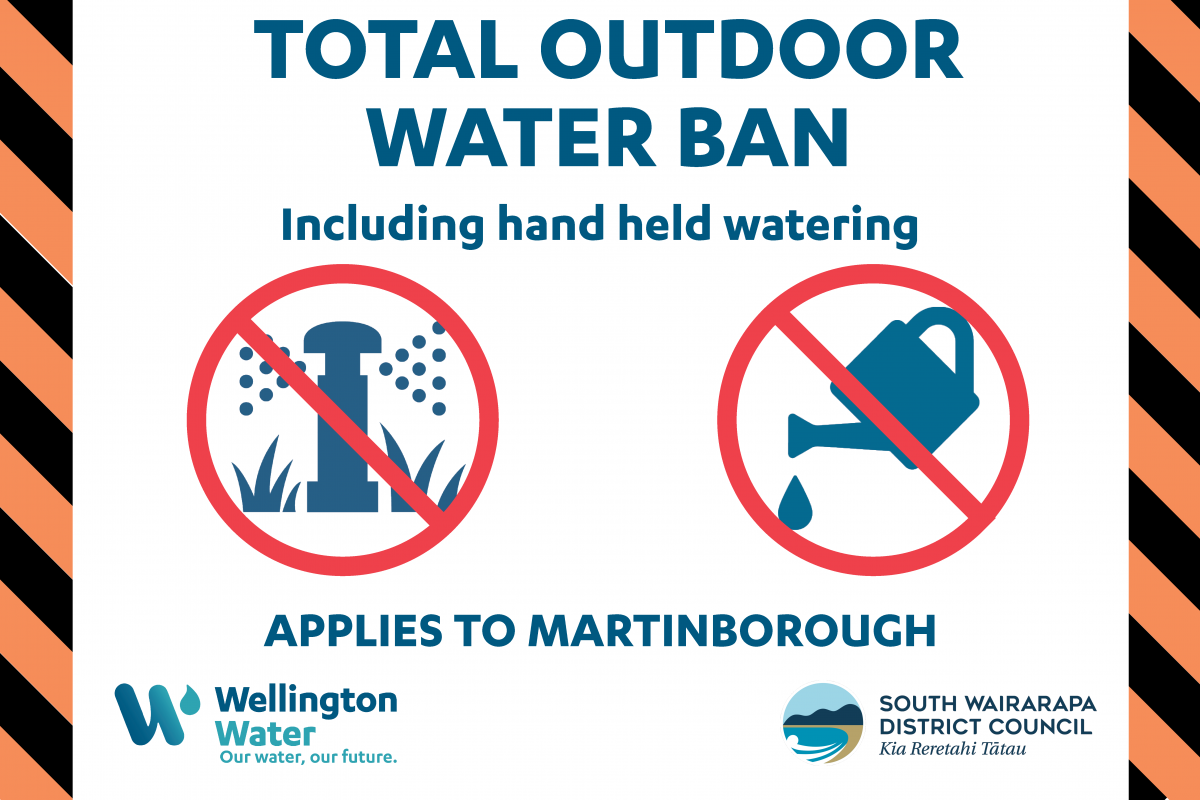
Martinborough Township Outdoor Water Ban
South Wairarapa Mayor Alex Beijen is urging the community to immediately cease using water outside and to conserve water generally.
“On Monday evening, the pump on the township’s low-manganese bore faulted and is being urgently replaced. With no water being pumped the water reservoir reserves are going down."
Mayor Beijen said he had been advised that installing the spare pump could be done within a day, but until the reservoir levels have recovered and we know the replacement pump is working well, we must conserve water.
“It’s essential that the community immediately responds to this pressing need to conserve water. If the township uses more water than we can supply from the low-manganese bore, we will have to use the other bores as well. That could mean the town’s drinking water becoming discoloured.
“Although safe to drink, the water could lose its clarity due to the reaction between manganese and chlorine – we want to avoid discoloured water if we can.
“We’re addressing infrastructure replacement as fast as possible, and this is unfortunate timing of an equipment failure,” said Mayor Beijen.
Information on how to conserve water will be shared throughout the community – you can find out more at www.wellingtonwater.co.nz...
“We will update the community when more information is available,” Mr Beijen said.

Poll: Are you still heading to your local for your caffeine fix, or has the $$ changed your habits? ☕
Wellington’s identity is built on its cafe culture, but with costs climbing, that culture is under pressure. We’ve seen the headlines about recent closures, and it’s a tough pill to swallow along with a $6+ coffee.
We all want our favourite spots to stay open, but we also have to balance our own budgets ⚖️
We want to know: How are you handling the "coffee math" in 2026? Are you still heading to your local for a chat and a caffeine fix, or has the cost of living changed your habits?
Keen to read more about "coffee math"? The Post has you covered.

-
40.8% I avoid spending money on coffee
-
49% I still indulge at my local cafe
-
10.2% Irrelevant - coffee is not for me
Scam Alert: Bank cold calls
ASB is warning customers about reports of cold calls from scammers claiming to be from ASB. These scammers are trying to obtain personal information, including usernames, dates of birth, and verification codes sent to your mobile phone.
🛡️ The "Caller Check" Test
If you get a call from someone claiming to be from ASB and you’re unsure, just ask them for a Caller Check. You will then be able to verify the call through the app.
Remember, banks will:
❌ Never ask for your banking passwords, PINs, or verification codes
❌ Never need to know your full credit card number – especially the CVC
❌ Never ask you to download software or remotely access your device
❌ Never ask you to purchase gift cards or transfer funds.
If you have received a phone call and think your account has been compromised, call ASB on 0800 ASB FRAUD (0800 272 372), or visit your local branch.

Some Choice News!
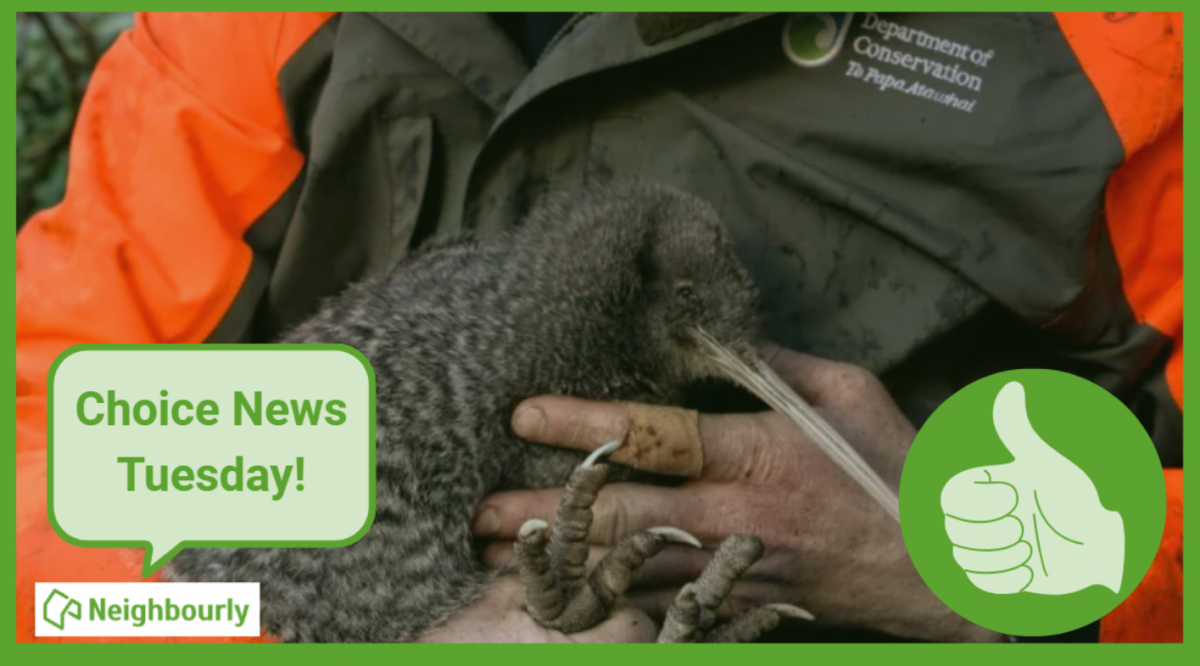
DOC is rolling out a new tool to help figure out what to tackle first when it comes to protecting our threatened species and the things putting them at risk.
Why does this matter? As Nikki Macdonald from The Post points out, we’re a country with around 4,400 threatened species. With limited time and funding, conservation has always meant making tough calls about what gets attention first.
For the first time, DOC has put real numbers around what it would take to do everything needed to properly safeguard our unique natural environment. The new BioInvest tool shows the scale of the challenge: 310,177 actions across 28,007 sites.
Now that we can see the full picture, it brings the big question into focus: how much do we, as Kiwis, truly value protecting nature — and what are we prepared to invest to make it happen?
We hope this brings a smile!
 Loading…