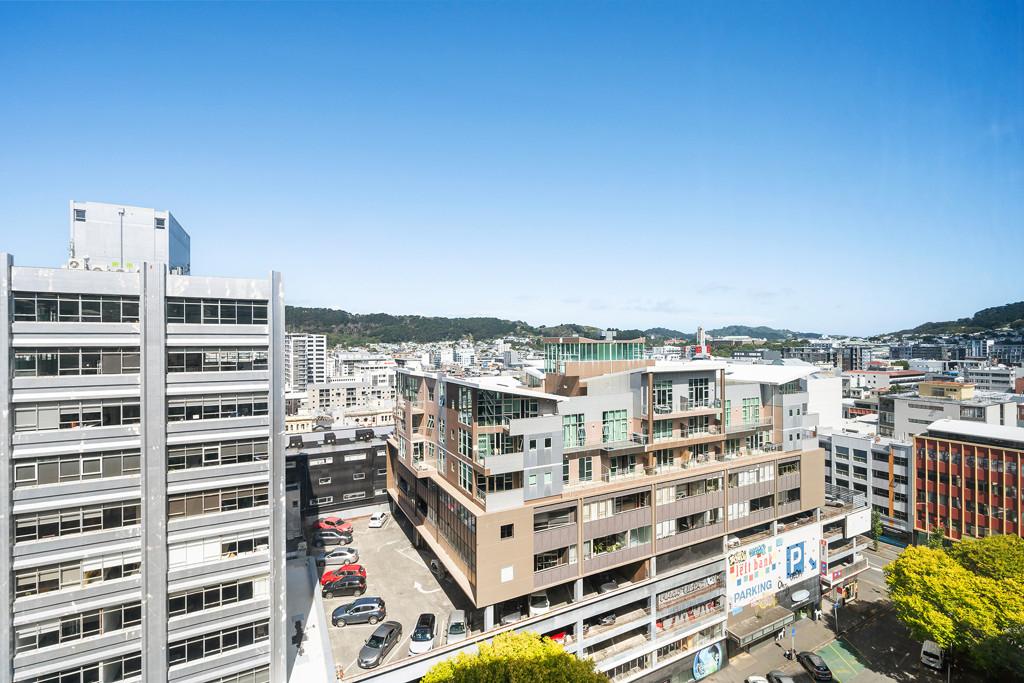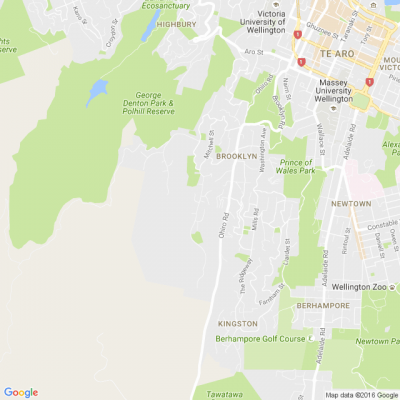
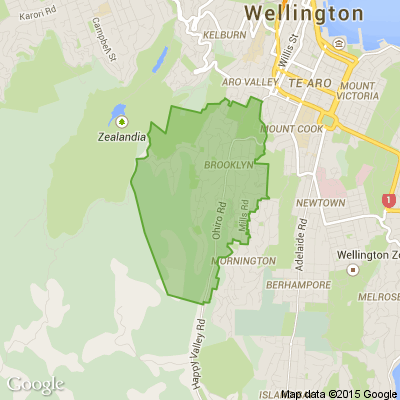






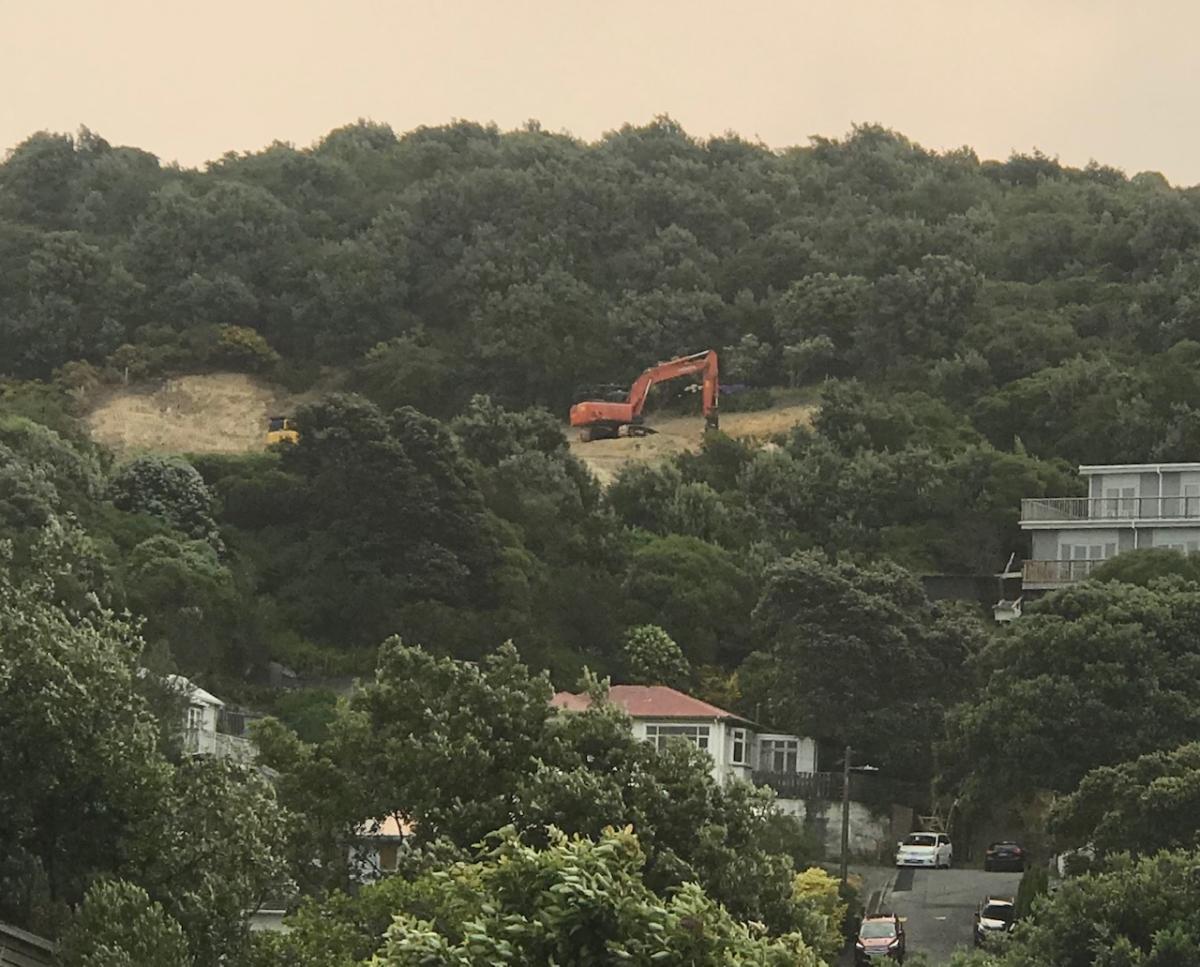
Town House Development next to Oku Street Reserve
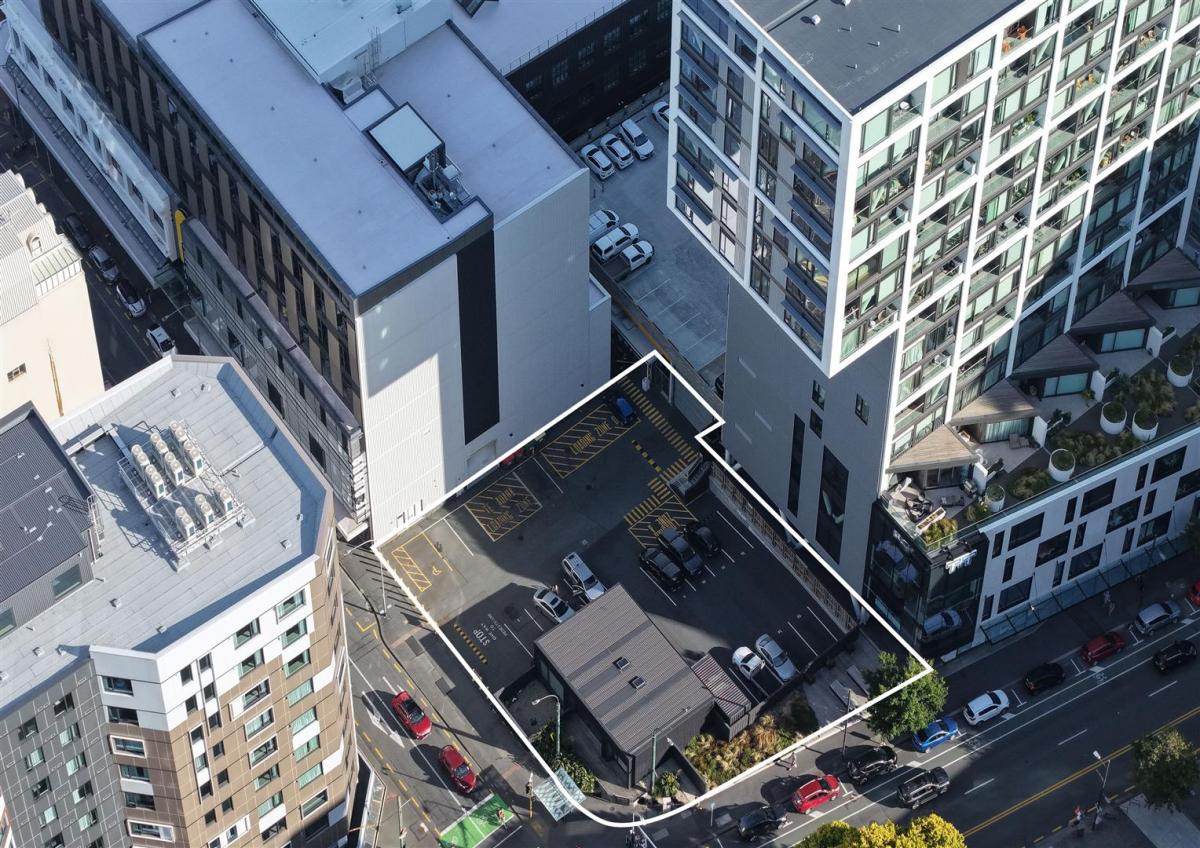
17 Townhouses on a single site. That’s what’s underway at the top of High Street in a new development by Gibbons Co. Butting right up against the Oku Reserve this is definitely on a fast-track process.
As the development is deemed by WCC to have ‘less than minimal impact’ any consultation has only taken place on the initiative, time and money of concerned local residents.
Before the label ‘nimby’ starts circulating I’d like to emphasise that everyone I’ve spoken to has been quite reasonable about accepting some intensification – in fact that’s already been happening in the street. For my own part as a tutor of music I could well see this as a good opportunity for more business locally. However I don’t see being concerned, for example, with the safety of children on the narrow street (potential for amount of traffic from upper high street to double) or the future integrity of the existing water network as being “nimbyish”. One of my concerns is that the development is being built above a historic slip site at the head of Valley Street. Now why should that worry me as I don’t live there?
But this is not a sensible mode of intensification that we are seeing. This is extremist intensification – pushing the boundaries of what the existing infrastructure and the affected community can cope with.
With this company having deep pockets, multiple developments on the go and seemingly given the green light to go ahead without full consultation (probably with the excuse of the housing crisis) it seems reasonable to open up a more open conversation about what our city should look like – and be able to stand – in the way of future development.
So what would a moderate and let’s say ‘considerate’ intensification look like? Here are three ideas.
1. A build design that blends in and is adapted to the existing landscape both natural and built.
2. A comfortable margin of error to maintain existing levels of such things as parking, water pressure, storm water run-off. (I don’t think anyone can be 100% certain that major climate change events are not going to get worse in future.)
3. An allowance for meaningful input by the local community who after all don’t have the resources available to either the council or developers so can hardly pose an existential threat to the success or otherwise of the project.
As far as I can see, the above conditions haven’t been met by Gibbons Co, rather the developers or WCC have decided that ‘leeway’ should be given in a kind of ‘winner takes all’ scenario. The whole process has sadly left may people living here feeling demoralised, disenfranchised and downright cynical, rightly or wrongly, about the whole developer WCC interface.
With many millions of dollars to be made from such a development Gibbons Co – and the WCC – can do better I’m sure.

Poll: 🤖 What skills do you think give a CV the ultimate edge in a robot-filled workplace?
The Reserve Bank has shared some pretty blunt advice: there’s no such thing as a “safe” job anymore 🛟😑
Robots are stepping into repetitive roles in factories, plants and warehouses. AI is taking care of the admin tasks that once filled many mid-level office jobs.
We want to know: As the world evolves, what skills do you think give a CV the ultimate edge in a robot-filled workplace?
Want to read more? The Press has you covered!

-
53% Human-centred experience and communication
-
14.7% Critical thinking
-
29.6% Resilience and adaptability
-
2.7% Other - I will share below!

🧩😏 Riddle me this, Neighbours…
I am an odd number. Take away a letter and I become even. What number am I?
Do you think you know the answer? Simply 'Like' this post and we'll post the answer in the comments below at 2pm on the day!
Want to stop seeing these in your newsfeed? No worries! Simply head here and click once on the Following button.


Some Choice News!
DOC is rolling out a new tool to help figure out what to tackle first when it comes to protecting our threatened species and the things putting them at risk.
Why does this matter? As Nikki Macdonald from The Post points out, we’re a country with around 4,400 threatened species. With limited time and funding, conservation has always meant making tough calls about what gets attention first.
For the first time, DOC has put real numbers around what it would take to do everything needed to properly safeguard our unique natural environment. The new BioInvest tool shows the scale of the challenge: 310,177 actions across 28,007 sites.
Now that we can see the full picture, it brings the big question into focus: how much do we, as Kiwis, truly value protecting nature — and what are we prepared to invest to make it happen?
We hope this brings a smile!

 Loading…