





Whairepo Lagoon & Taranaki Diving Platform water sampling results
Due to increasing wastewater contamination in the stormwater network that flows into the inner Wellington harbour during high rainfall events, we have increased the frequency of water sampling to daily.
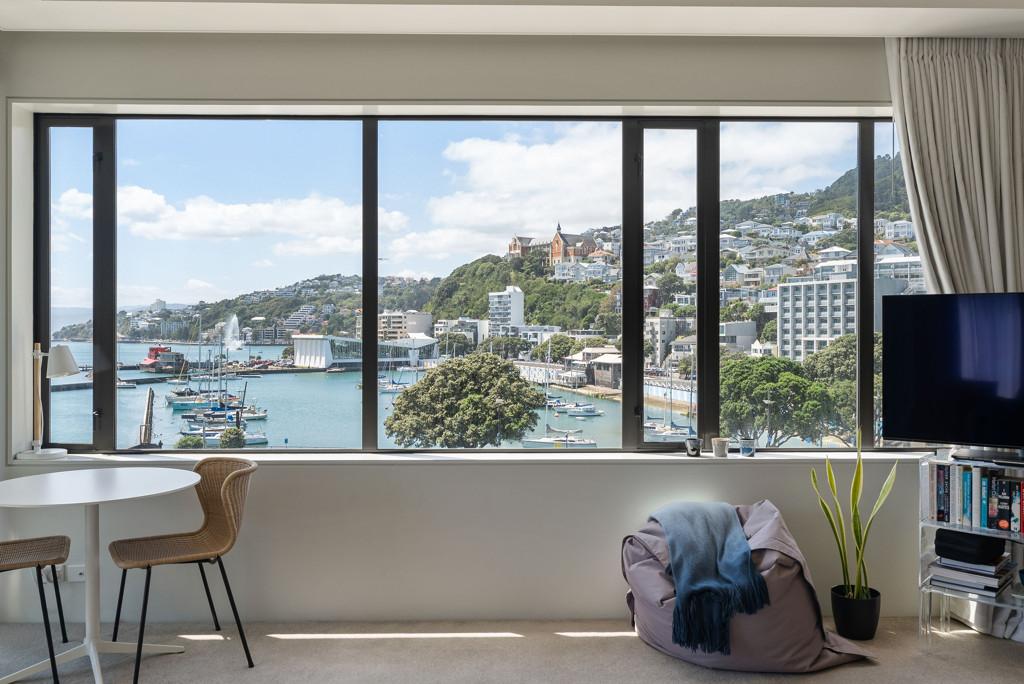
The most recent sampling at Whairepo Lagoon and the Taranaki Diving Platform shows high levels of Enterococci. These areas have been determined as unsuitable for swimming and other recreational activities due to these results.
We encourage the public to protect their health by not swimming in the area and be careful about any contact with the water. We will be placing no swimming signs in the area today.
We will provide an update when the water is suitable for swimming.
You can check recreational water quality results for your favourite swimming sites on the LAWA map.

Poll: Are you still heading to your local for your caffeine fix, or has the $$ changed your habits? ☕
Wellington’s identity is built on its cafe culture, but with costs climbing, that culture is under pressure. We’ve seen the headlines about recent closures, and it’s a tough pill to swallow along with a $6+ coffee.
We all want our favourite spots to stay open, but we also have to balance our own budgets ⚖️
We want to know: How are you handling the "coffee math" in 2026? Are you still heading to your local for a chat and a caffeine fix, or has the cost of living changed your habits?
Keen to read more about "coffee math"? The Post has you covered.

-
41.8% I avoid spending money on coffee
-
47.6% I still indulge at my local cafe
-
10.6% Irrelevant - coffee is not for me
Scam Alert: Bank cold calls
ASB is warning customers about reports of cold calls from scammers claiming to be from ASB. These scammers are trying to obtain personal information, including usernames, dates of birth, and verification codes sent to your mobile phone.
🛡️ The "Caller Check" Test
If you get a call from someone claiming to be from ASB and you’re unsure, just ask them for a Caller Check. You will then be able to verify the call through the app.
Remember, banks will:
❌ Never ask for your banking passwords, PINs, or verification codes
❌ Never need to know your full credit card number – especially the CVC
❌ Never ask you to download software or remotely access your device
❌ Never ask you to purchase gift cards or transfer funds.
If you have received a phone call and think your account has been compromised, call ASB on 0800 ASB FRAUD (0800 272 372), or visit your local branch.

🧩😏 Riddle me this, Neighbours…
I am an odd number. Take away a letter and I become even. What number am I?
Do you think you know the answer?
Want to stop seeing these in your newsfeed? No worries! Simply head here and click once on the Following button.
 Loading…