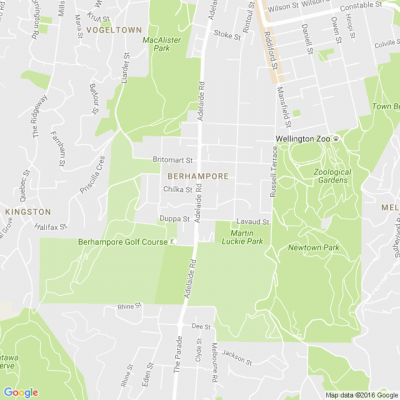
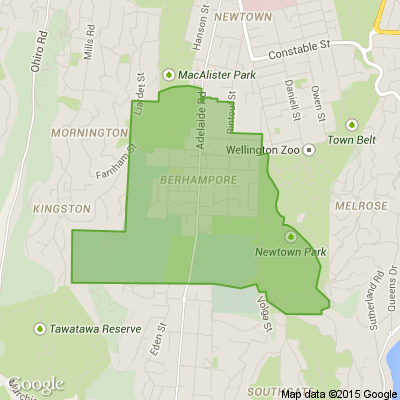






How Kaibosh continues to run during the pandemic, in south Wellington
Sara from Island Bay Presbyterian (IBPC) gives us an insight into how Kaibosh is operating during this pandemic..
"Kaibosh is still operating during 'lock down' as it is deemed an essential service, which it certainly is. During these times the vulnerable are needing help more than ever. The Kaibosh IBPC team are continuing to collect and distribute food to the community flats of Granville and Rintoul.
We have had many residents passing on their heartfelt thanks for what we are doing and many who are relying on Kaibosh to see them through the week. It is therefore a privilege and a blessing that we are able to continue. There are, however, some stricter rules applying at this time. No one can enter Kaibosh premises; Martin and his team are working very, very hard sorting all the food themselves and boxing into community groupings. We meet them at the door and they bring the pre-prepared boxes to us. Once at the community rooms we then need to sort the contents into 23 individual boxes and bags for Rintoul, for example, each according to family size. Of course, we wipe all surfaces with bleach first and wash our hands often. We wouldn’t help if we were sick, either.
Once the food is sorted we then hand deliver each box to each resident’s front door! (Normally there would be a central collection point) This whole process can take up to 3 hours, whereas before it was under an hour.
So I count Kaibosh as my gym class for the day! Wonderfully, the food is still coming through: yesterday we had to distribute an apple box full of plums, another big box full of grated cheese (which we had to put in individual bags), instant noodles, lots of bread and sweet bread treats, potatoes, a big bag of rice, lots of other fruit, bottles of milk, a box of scorched almonds and a few big tubs of cream cheese!"We've also heard that the Kaibosh depot are not able to have their usual large band of regular volunteers to do the initial food sorting, so Martin and his reduced crew are doing an amazing job adapting to the lock-down requirements.

Poll: If we want to reduce speeding, what do you think actually changes driver behaviour? 🛻🚨🚓
In the Post's article on speeding penalties, the question is asked whether speeding fines are truly about road safety, or are they just a way to boost revenue for the Crown?
What do you think? Should speeding motorists receive speeding fines or demerit points?
-
37.6% The sting of a fine (Money talks!)
-
62.4% The threat of demerit points (Nobody wants to lose their license!)
Scam Alert: Bank cold calls
ASB is warning customers about reports of cold calls from scammers claiming to be from ASB. These scammers are trying to obtain personal information, including usernames, dates of birth, and verification codes sent to your mobile phone.
🛡️ The "Caller Check" Test
If you get a call from someone claiming to be from ASB and you’re unsure, just ask them for a Caller Check. You will then be able to verify the call through the app.
Remember, banks will:
❌ Never ask for your banking passwords, PINs, or verification codes
❌ Never need to know your full credit card number – especially the CVC
❌ Never ask you to download software or remotely access your device
❌ Never ask you to purchase gift cards or transfer funds.
If you have received a phone call and think your account has been compromised, call ASB on 0800 ASB FRAUD (0800 272 372), or visit your local branch.


Some Choice News!
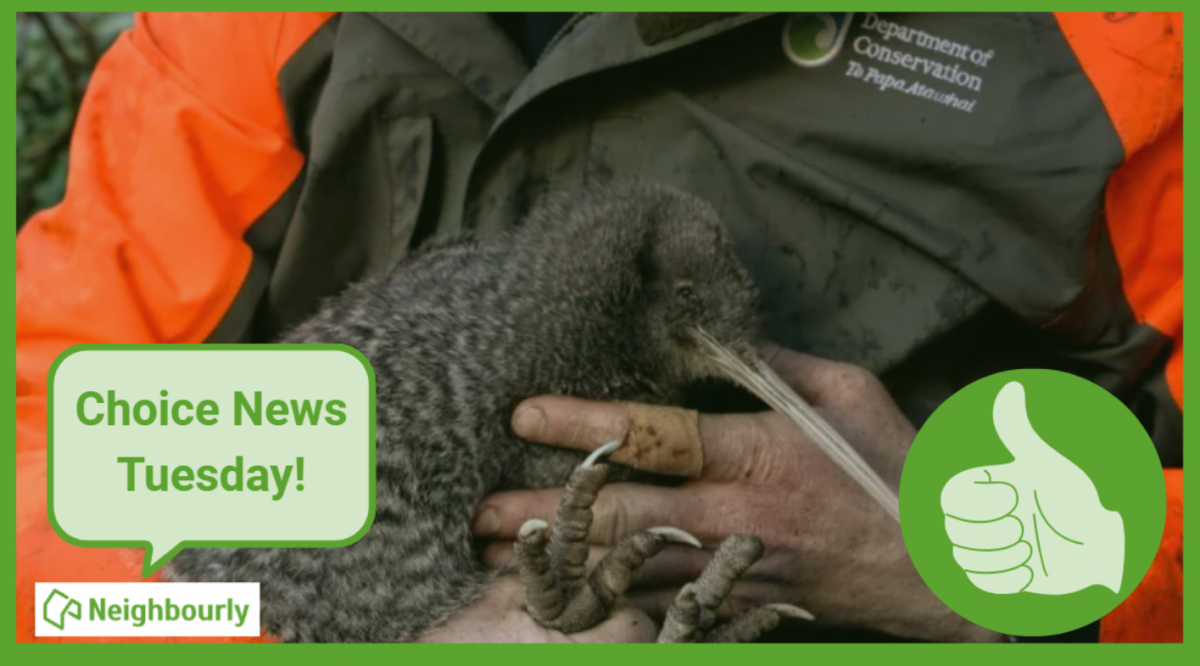
DOC is rolling out a new tool to help figure out what to tackle first when it comes to protecting our threatened species and the things putting them at risk.
Why does this matter? As Nikki Macdonald from The Post points out, we’re a country with around 4,400 threatened species. With limited time and funding, conservation has always meant making tough calls about what gets attention first.
For the first time, DOC has put real numbers around what it would take to do everything needed to properly safeguard our unique natural environment. The new BioInvest tool shows the scale of the challenge: 310,177 actions across 28,007 sites.
Now that we can see the full picture, it brings the big question into focus: how much do we, as Kiwis, truly value protecting nature — and what are we prepared to invest to make it happen?
We hope this brings a smile!
 Loading…