





Addressing historical greviances
By David Hill, Local Democracy Reporter
Local Māori will soon be able to return to live on their customary land.
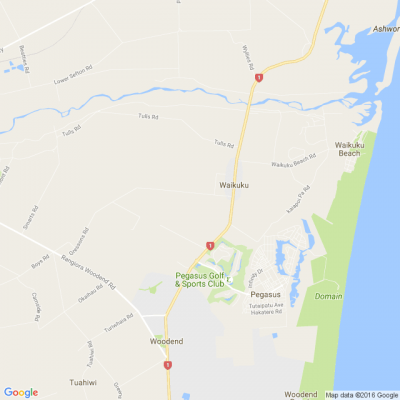
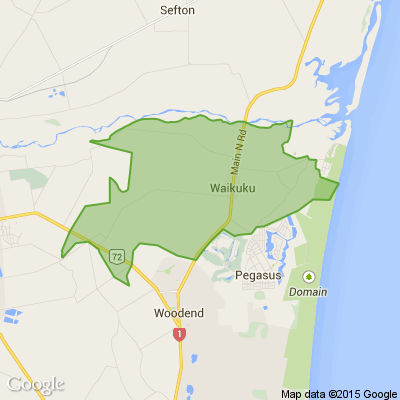
Waimakariri District Council chief executive Jeff Millward says the proposed Waimakariri District Plan, which was notified in September 2021, includes special purpose zoning for Māori Reserve 873, between Kaiapoi and Rangiora.
This included allowing for up to seven houses on a four hectare section.
These have been incorporated into the draft Greater Christchurch Spatial Plan, which has recognised the need for infrastructure investment for kāinga nohoanga (places of residence) across the Greater Christchurch area.
"Historically they have been prevented from living on their own land and growing crops for mahinga kai," Millward said.
The National Policy Statement on Urban Development stated that well-functioning urban environments needed to have a variety of homes, and this included enabling Māori to express their cultural traditions and norms.
Māori Reserve 873, which included the kāinga (village) of Tuahiwi and the surrounding rural area, was set aside by the Crown in 1848 as a kāinga nohoanga.
The 1868 Native Land Court defined Ngāi Tahu mahinga kai and whānau rights.
But subsequent territorial authorities, including the Waimakariri District Council, which was established in 1989, had overlooked the history and introduced rural zoning rules and applied them to Māori Reserve 873.
Most recently, about 2005, the Waimakariri District Council changed the rural zoning for the reserve to 10 acres without consulting with the rūnanga.
This was unworkable as properties were already much smaller and had multiple houses on them.
The land grievances were due in part to different cultural understandings and the complexity of Māori ownership.
Māori practised Kaitiakitanga (stewardship) where resources including land were looked after by the hapū for the next generation.
The consequence has seen Māori lose the ability to use the land for mahinga kai and whānau have been unable to live on the land.
Comment was sought from Ngāi Tūāhuriri.
■ Public interest journalism funded through New Zealand on Air.

Poll: Should the government levy industries that contribute to financial hardship?
As reported in the Post, there’s a $30 million funding gap in financial mentoring. This has led to services closing and mentors stepping in unpaid just to keep helping people in need 🪙💰🪙
One proposed solution? Small levies on industries that profit from financial hardship — like banks, casinos, and similar companies.
So we want to hear what you think:
Should the government ask these industries to contribute?

-
66.7% Yes, supporting people is important!
-
33.3% No, individuals should take responsibility
-
0% ... It is complicated
Firewood
People need to be careful when purchasing firewood,we just had the worst experience with a guy,as he ended up bringing what he owed tonight,4 days later and hardly any communication and a lot of promises.It was very disrespectful.will be weary from now on that's for sure

A Neighbourly Riddle! Don’t Overthink It… Or Do?😜
Do you think you know the answer? Simply 'Like' this post if you know the answer and the big reveal will be posted in the comments at 2pm on the day!
If you multiply this number by any other number, the answer will always be the same. What number is this?

 Loading…