





Waimakariri's growth set to continue, but challenge over where people will live
By David Hill, local democracy reporter
Waimakariri’s growth is set to continue for years to come, but predicting where people will choose to live is creating some challenges.
With the Greater Christchurch area expected to need 77,000 more houses over the next 30 years, the Waimakariri district’s population is likely to top 100,000 by 2053.
The present population in the Waimakariri district is about 70,000.
Waimakariri District Council development planning manager Matt Bacon sad it was difficult to predict how many people will move to the district and where they will choose to live.
“We have gone away from specific numbers and locations and now we’re looking at different scenarios.
“We do housing numbers almost on an annual basis.”
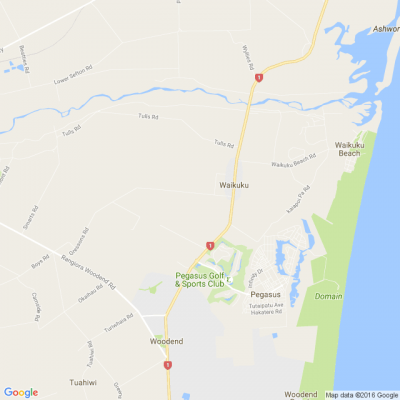
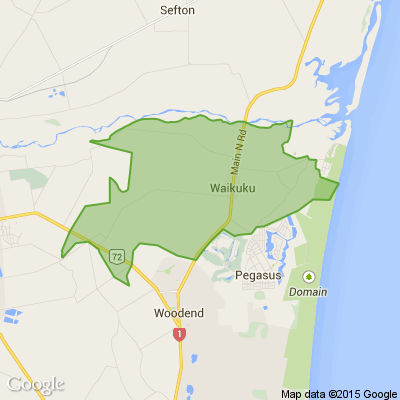
The Woodend/Pegasus area was the fastest growing area for the district – expected to top 10,000 by 2053 – and the wider Waikuku, Pegasus, Woodend and Pegasus Bay area was expected to reach 12,500 people by 2033 and 15,000 people by 2043.
Where to house the extra people was a challenge as councils wanted to avoid an ever expanding urban sprawl and taking up quality farmland, while drainage was an issue in some areas.
Strategy, engagement and economic development general manager Simon Hart said staff were thinking about “where the numbers will go when they hit Waimakariri”.
The Ravenswood subdivision was already up to stage five of the planned six stage development, while other subdivisions were filling up fast.
The recently opened up Bellgrove subdivision in Rangiora ensures there was no shortage – for now, Bacon said.
The council was required, under the National Policy Statement for Urban Development, to plan ahead of demand to ensure there was plenty of supply.
But even when planning was put in place, Bacon said there was always a lag between approval and a new subdivision being divided up.
Future development could be urban infill, while the passing of the Resource Management (Enabling Housing and Other Matters) Amendment Act in December 2021 made it possible to subdivide sections for up to three housing units and building up to three storeys in the main urban areas.
“The market for intensification will be limited, so there is a big difference between what the plan enables and what actually happens,” Bacon said.
He said Townsend Fields (Rangiora) was offering average sized lots of about 600 to 700m², even though smaller lot sizes were allowed.
“They will offer what they believe the market is telling them,” Hart added.
“So we need to be conscious of what is attracting people to Waimakariri, is it high density housing or larger sections?”

A Neighbourly Riddle! Don’t Overthink It… Or Do?😜
Do you think you know the answer? Simply 'Like' this post if you know the answer and the big reveal will be posted in the comments at 2pm on the day!
If you multiply this number by any other number, the answer will always be the same. What number is this?


Poll: Should the government levy industries that contribute to financial hardship?
As reported in the Post, there’s a $30 million funding gap in financial mentoring. This has led to services closing and mentors stepping in unpaid just to keep helping people in need 🪙💰🪙
One proposed solution? Small levies on industries that profit from financial hardship — like banks, casinos, and similar companies.
So we want to hear what you think:
Should the government ask these industries to contribute?

-
50% Yes, supporting people is important!
-
30% No, individuals should take responsibility
-
20% ... It is complicated
Firewood
People need to be careful when purchasing firewood,we just had the worst experience with a guy,as he ended up bringing what he owed tonight,4 days later and hardly any communication and a lot of promises.It was very disrespectful.will be weary from now on that's for sure
 Loading…