






DESIGNING FOR OUTDOOR LIVING
Making best use of the flow from the indoor to the outdoor area can add a sense of space and ambience to your home. We look at what you need to consider for decks and balconies.
Decks
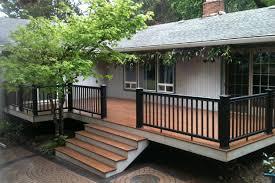
Indoor/outdoor living and long summer evenings on the deck and around the barbeque are a favourite part of family life for many New Zealanders. Plan for good indoor/outdoor flow in your design and consider your decking needs. The position of the house in relation to sun and boundaries will dictate the size and shape of the deck to a certain extent. Be aware that there may be local council restrictions on how much ground a deck can cover.
Other matters to consider are shading and shelter from the prevailing wind. To make the deck more interesting, consider in-built seating, steps, planters and unusual floor shapes.
If you are building a deck as part of a renovation, you will need building consent if the deck is more than one metre above the ground. Contact your local council for advice. Decks more than one metre above the ground must have a barrier (of at least one metre high – Clause F4.3.1 Building Code). Your council will be able to advise you about fencing requirements, any boundary restrictions and any resource consents required.
If you are doing the work yourself, make sure you use the correct grade of timber treatment, have the right gaps between decking boards (approximately 6mm between decking boards and 12mm between the deck and building walls). This is important to allow drainage and resist rotting.
Use bolts and flashing suitable for decks and make sure barriers comply with the Building Code.
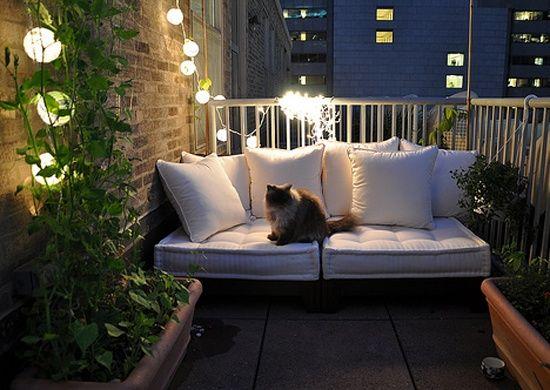
Balconies
There are important design and construction requirements for balconies to make sure they don’t leak and rot, such as:
A step-down from the doorsill
A slope on the balcony floor
A gap between the balcony and the wall claddings
Taking care around junctions to ensure weathertightness
Using correctly treated timber
Rotting balconies, decks and balustrades have been identified as a significant safety hazard.
Source: www.consumer.org.nz...

Poll: Should the government levy industries that contribute to financial hardship?
As reported in the Post, there’s a $30 million funding gap in financial mentoring. This has led to services closing and mentors stepping in unpaid just to keep helping people in need 🪙💰🪙
One proposed solution? Small levies on industries that profit from financial hardship — like banks, casinos, and similar companies.
So we want to hear what you think:
Should the government ask these industries to contribute?

-
59% Yes, supporting people is important!
-
26% No, individuals should take responsibility
-
15% ... It is complicated

A Neighbourly Riddle! Don’t Overthink It… Or Do?😜
Do you think you know the answer? Simply 'Like' this post if you know the answer and the big reveal will be posted in the comments at 2pm on the day!
If you multiply this number by any other number, the answer will always be the same. What number is this?


Have you got New Zealand's best shed? Show us and win!
Once again, Resene and NZ Gardener are on the hunt for New Zealand’s best shed! Send in the photos and the stories behind your man caves, she sheds, clever upcycled spaces, potty potting sheds and colourful chicken coops. The Resene Shed of the Year 2026 winner receives $1000 Resene ColorShop voucher, a $908 large Vegepod Starter Pack and a one-year subscription to NZ Gardener. To enter, tell us in writing (no more than 500 words) why your garden shed is New Zealand’s best, and send up to five high-quality photos by email to mailbox@nzgardener.co.nz. Entries close February 23, 2026.
 Loading…