






NEAR FUTURE TRANSPORTING PEOPLE
Wellington Metlink are getting a bunch of new trains (18 it is believed) and carriages by 2025-26 and the Wellington Regional Council are going to allow private bus servicing again. All this means is that TransDec will increase the train services in the region to almost certainly include 10 minute-only gaps in its weekday scheduling and a more frequency at other times; a promised increase in public buses on the roads throughout the region.
These measures are taking into account the increased usage of public transport and the demand that will generate from new housing (such as town housing) and apartment blocks where vehicle ownership is or will be limited or non existent.
New housing areas are deliberately planned to take into account the lower expectation of vehicle-ownership and number of vehicles per household in the future.
As well, looking into the future a little bit further, there is the advance of the driverless vehicle which will allow people to hire vehicles on a trip by trip basis and not need to desire a privately owned vehicle parked or garaged. This will suit up with the advance of apartments which usually have restricted or no parking facilities and that of town houses with limited or no parking.
Capping this is the completion of cycle lanes to allow people to safely ride on the sides of roads and cater for the increased usage of cycling as a means of transportation and recreation.
Less need for vehicle ownership is the increasing permanency of people working from home instead of travelling to a work station and in the use of the internet for the ordering of and the delivering of supermarket products and all other items.

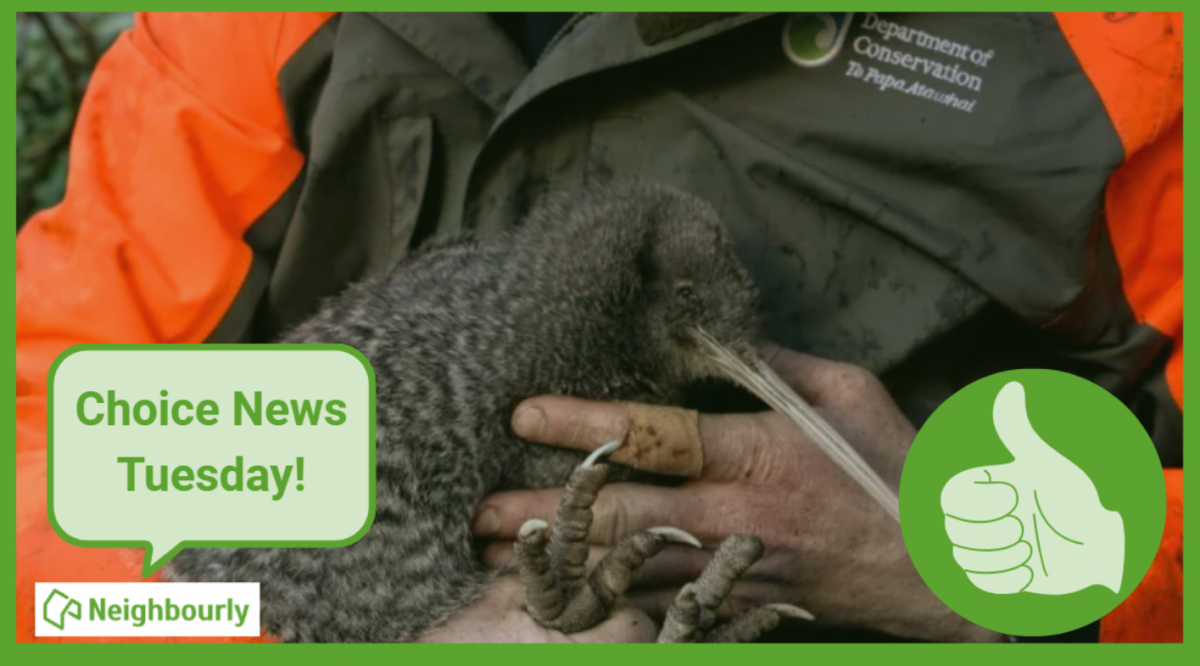
Some Choice News!
DOC is rolling out a new tool to help figure out what to tackle first when it comes to protecting our threatened species and the things putting them at risk.
Why does this matter? As Nikki Macdonald from The Post points out, we’re a country with around 4,400 threatened species. With limited time and funding, conservation has always meant making tough calls about what gets attention first.
For the first time, DOC has put real numbers around what it would take to do everything needed to properly safeguard our unique natural environment. The new BioInvest tool shows the scale of the challenge: 310,177 actions across 28,007 sites.
Now that we can see the full picture, it brings the big question into focus: how much do we, as Kiwis, truly value protecting nature — and what are we prepared to invest to make it happen?
We hope this brings a smile!

Have you got New Zealand's best shed? Show us and win!
Once again, Resene and NZ Gardener are on the hunt for New Zealand’s best shed! Send in the photos and the stories behind your man caves, she sheds, clever upcycled spaces, potty potting sheds and colourful chicken coops. The Resene Shed of the Year 2026 winner receives $1000 Resene ColorShop voucher, a $908 large Vegepod Starter Pack and a one-year subscription to NZ Gardener. To enter, tell us in writing (no more than 500 words) why your garden shed is New Zealand’s best, and send up to five high-quality photos by email to mailbox@nzgardener.co.nz. Entries close February 23, 2026.
Share your favourite main crop potato recipe and win a copy of our mag!
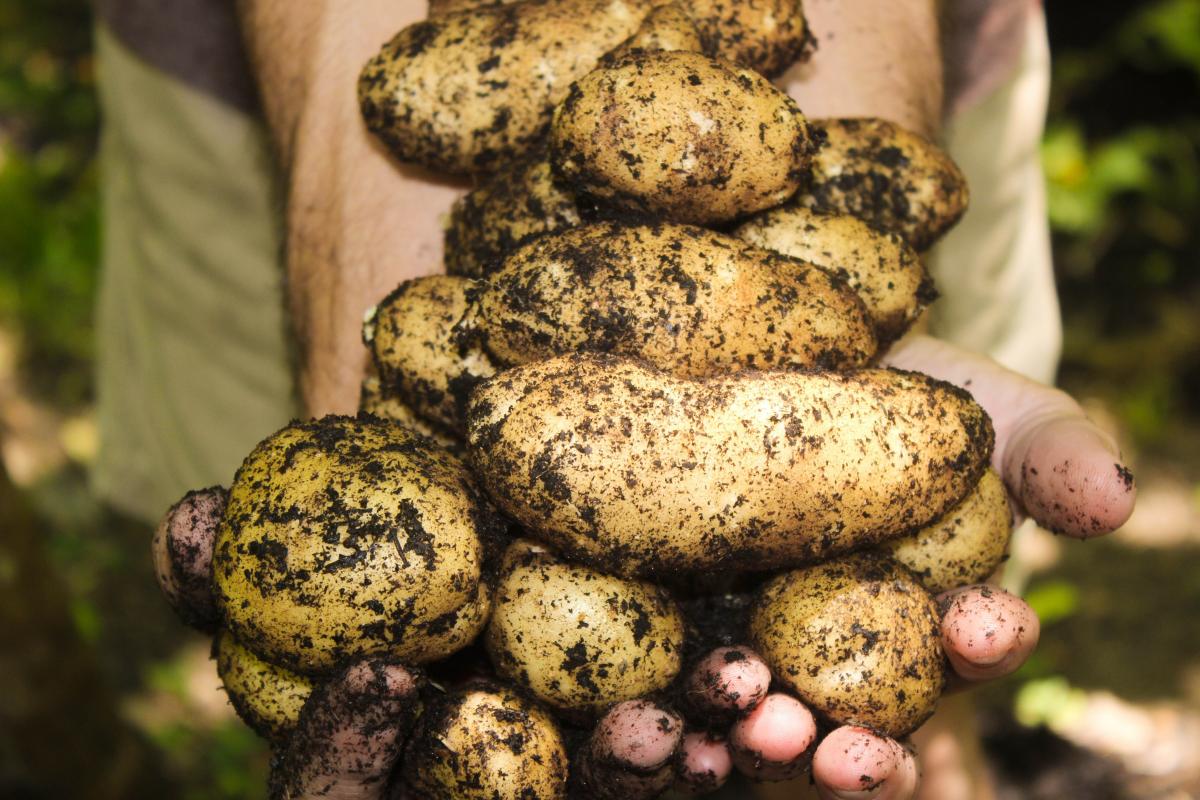
Love potatoes? We will give away free copies of the May 2026 issue to readers whose potato recipes are used in our magazine. To be in the running, make sure you email your family's favourite way to enjoy potatoes: mailbox@nzgardener.co.nz, by March 1, 2026.
 Loading…