






Playing safely in urban streams
As we approach the school holidays and children head outdoors exploring our beautiful parks and streams we’d like to remind you how to play safely in urban streams.
The water quality of our streams can be variable.
Stormwater run-off and other contaminants can affect the water quality of our urban streams.
While there are actions being taken by council and interest groups to improve the water quality in our streams, the water can contain ‘bugs’ that can make people sick. To keep people safe it’s important to follow the tips below.
Here are some tips on enjoying our streams safely:
- Children should always be supervised when playing in or around water.
- Always avoid contact with streams during heavy rain and for 48 hours after it stops raining.
- Never drink stream water.
- Always wash your hands after coming into contact with stream water and before eating.
- Keep stream water out of your eyes, ears, mouth, or any open sores. If your children are too young to understand these precautions please avoid contact with streams.
- Wading and exploring is ok, but the water in streams is not suitable for swimming. To check out the best places for swimming in our region see www.gw.govt.nz...
How you can help:
- Report cracked or leaking pipes (and if you spot a leak on your own property organise for a plumber to check the pipes as soon as possible).
- Make sure rubbish is not left near streams including picking up dog poo.
- Only rain should go down the drain - empty detergents and paintbrush residue onto the lawn, or tip down the sink, not into drains leading to stormwater.
- Wash cars on the lawn, or at an approved carwash.
- Use non-toxic pesticides and fertilisers on your gardens.
- Reduce run-off by using porous landscaping, such as bark chips or lawn.


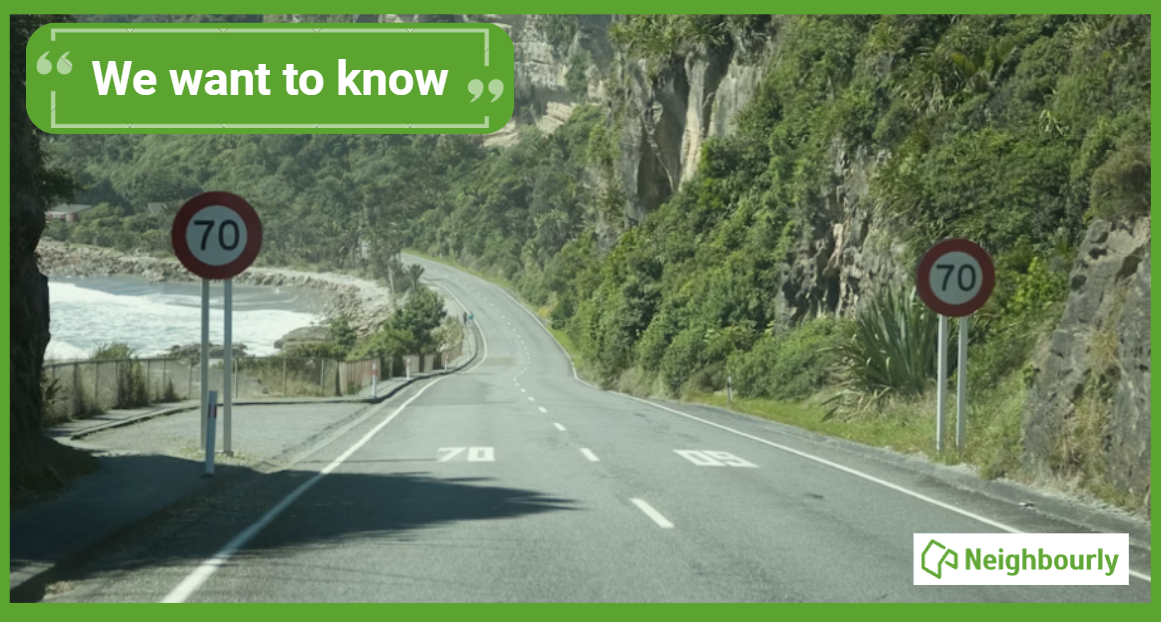
Poll: If we want to reduce speeding, what do you think actually changes driver behaviour? 🛻🚨🚓
In the Post's article on speeding penalties, the question is asked whether speeding fines are truly about road safety, or are they just a way to boost revenue for the Crown?
What do you think? Should speeding motorists receive speeding fines or demerit points?
-
0% The sting of a fine (Money talks!)
-
0% The threat of demerit points (Nobody wants to lose their license!)

Share your favourite main crop potato recipe and win a copy of our mag!
Love potatoes? We will give away free copies of the May 2026 issue to readers whose potato recipes are used in our magazine. To be in the running, make sure you email your family's favourite way to enjoy potatoes: mailbox@nzgardener.co.nz, by March 1, 2026.

Scam Alert: Bank cold calls
ASB is warning customers about reports of cold calls from scammers claiming to be from ASB. These scammers are trying to obtain personal information, including usernames, dates of birth, and verification codes sent to your mobile phone.
🛡️ The "Caller Check" Test
If you get a call from someone claiming to be from ASB and you’re unsure, just ask them for a Caller Check. You will then be able to verify the call through the app.
Remember, banks will:
❌ Never ask for your banking passwords, PINs, or verification codes
❌ Never need to know your full credit card number – especially the CVC
❌ Never ask you to download software or remotely access your device
❌ Never ask you to purchase gift cards or transfer funds.
If you have received a phone call and think your account has been compromised, call ASB on 0800 ASB FRAUD (0800 272 372), or visit your local branch.
 Loading…