





Plumbosolvency
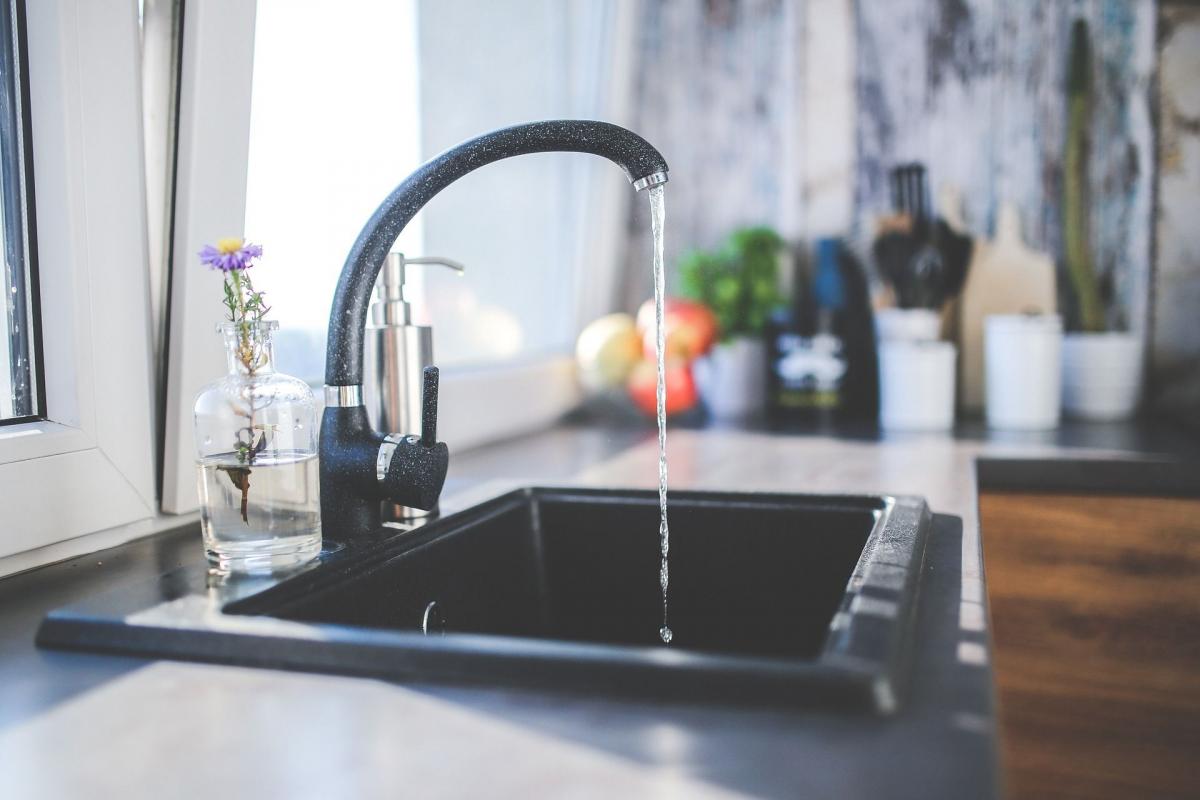
Did you know the Ministry of Health Drinking Water Standards recommend that you flush a mugful of water from your drinking-water tap each morning before use?
This is because all waters are plumbosolvent, which means they can dissolve very small amounts of metals if they come into contact with them.
Upper Hutt, Lower Hutt, Porirua and Wellington drinking water is described as ‘soft’ water, because there is less calcium and magnesium content. Soft water is slightly more acidic than hard water, and as a result it dissolves metals more easily/quickly.
In New Zealand, the plumbing materials/fittings (i.e. your taps) which come in to contact with water are usually the source of heavy metals, such as lead, nickel, cadmium, copper and antimony.
When you turn a fitting off there may be a small amount of water left sitting in it. Whilst our treatment processes adjust the pH to reduce the water’s aggressiveness on pipework, there is the potential that water sitting in a plumbing fitting, if unused for several hours, may accumulate minute traces of metals.
Although the health risk is small, the Ministry of Health drinking water standards recommend that you flush a mugful of water from your drinking-water tap each morning before use. This should remove any water that was left in your fittings, and metals that may have dissolved from the plumbing fittings.
All households are advised to take this precaution, whether they are on public or private water supply.
For further information you can contact the Drinking Water Assessment Unit of the Wellington Regional Public Health Service, phone 04 570 9002.

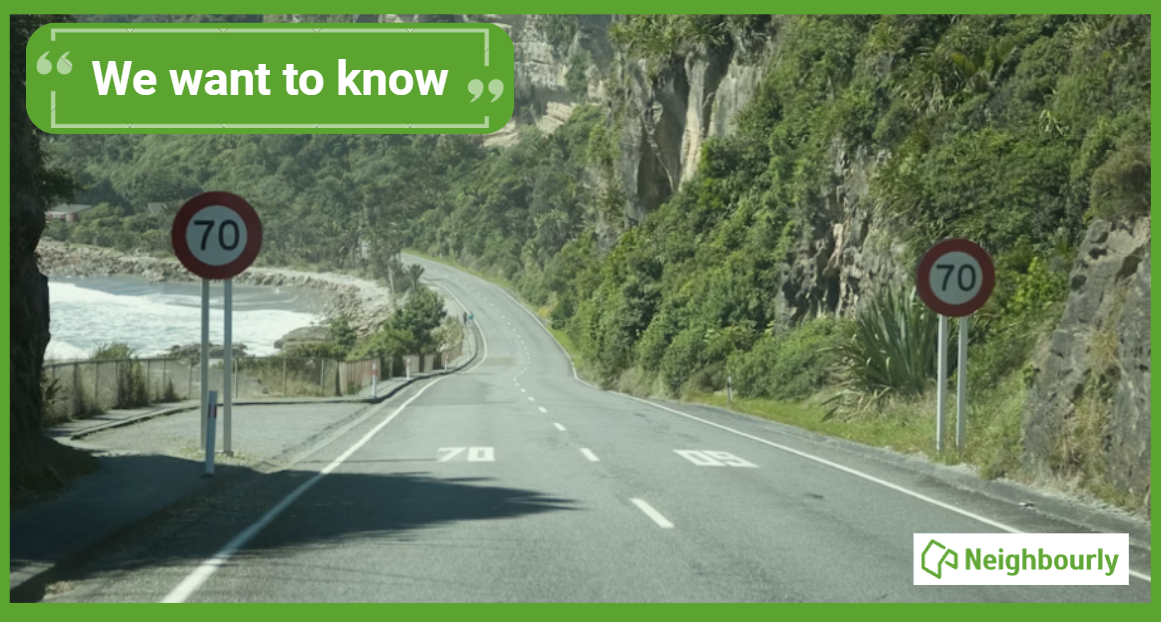
Poll: If we want to reduce speeding, what do you think actually changes driver behaviour? 🛻🚨🚓
In the Post's article on speeding penalties, the question is asked whether speeding fines are truly about road safety, or are they just a way to boost revenue for the Crown?
What do you think? Should speeding motorists receive speeding fines or demerit points?
-
35.5% The sting of a fine (Money talks!)
-
64.5% The threat of demerit points (Nobody wants to lose their license!)

Some Choice News!
DOC is rolling out a new tool to help figure out what to tackle first when it comes to protecting our threatened species and the things putting them at risk.
Why does this matter? As Nikki Macdonald from The Post points out, we’re a country with around 4,400 threatened species. With limited time and funding, conservation has always meant making tough calls about what gets attention first.
For the first time, DOC has put real numbers around what it would take to do everything needed to properly safeguard our unique natural environment. The new BioInvest tool shows the scale of the challenge: 310,177 actions across 28,007 sites.
Now that we can see the full picture, it brings the big question into focus: how much do we, as Kiwis, truly value protecting nature — and what are we prepared to invest to make it happen?
We hope this brings a smile!


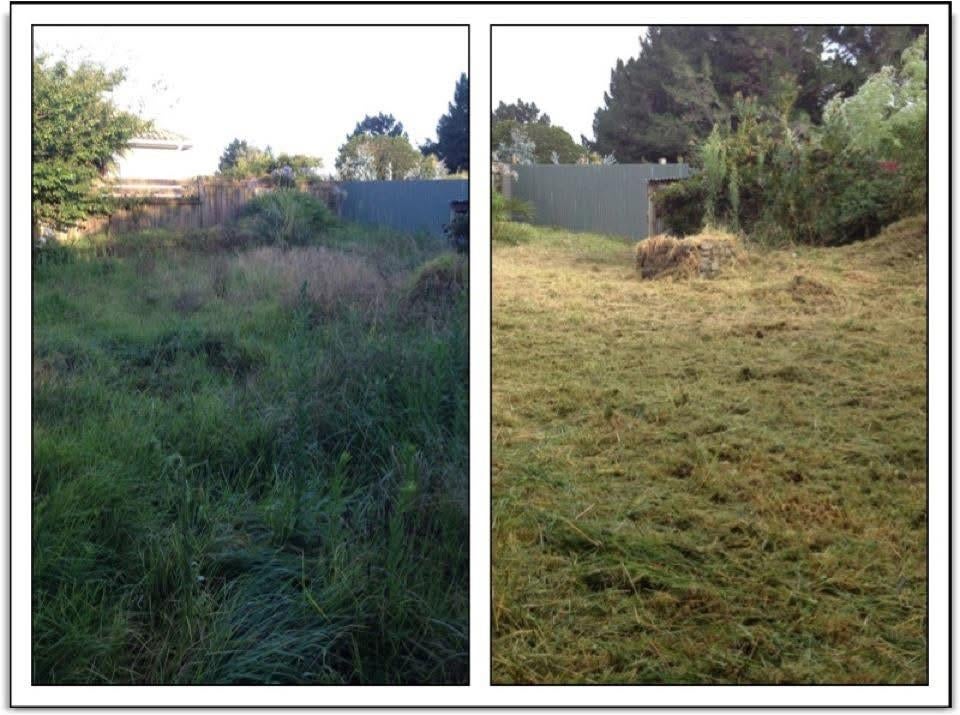
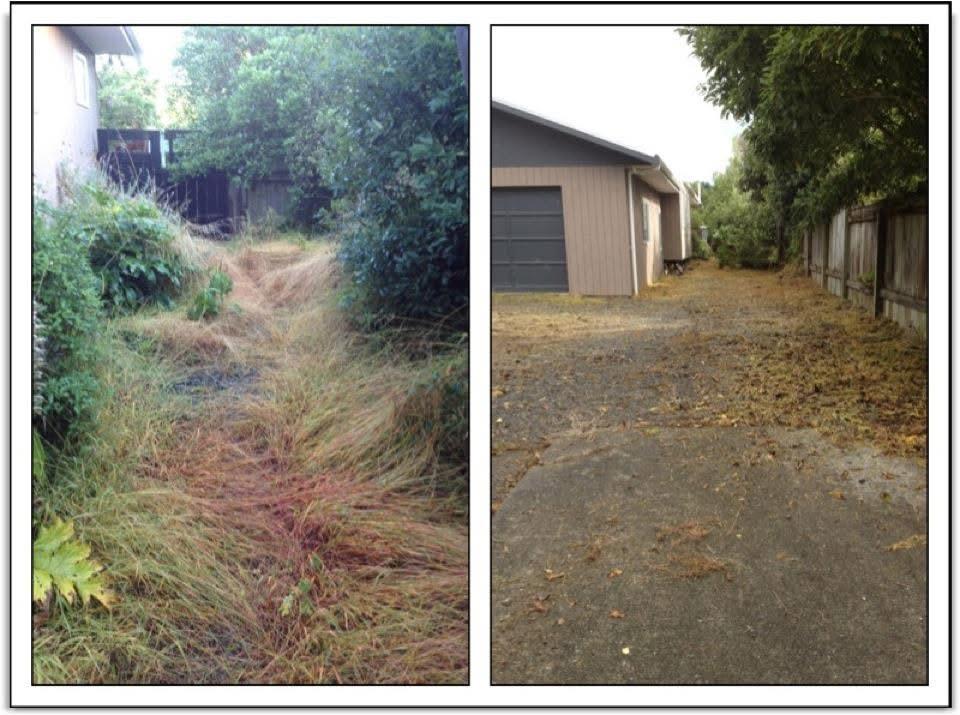
Gardening and section clearing
Do you loath gardening ? We can assist- no job too big or small
Message us call us today for a free quote
0272430951
Natures choice
 Loading…