





Composting for Beginners
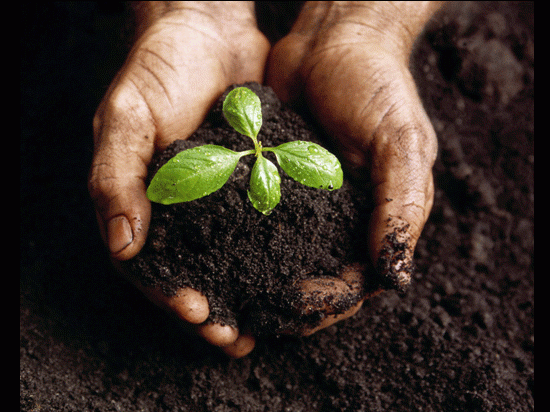
Compost is nature’s way of recycling. Made from waste garden material, compost is an essential ingredient for creating rich, friable soil and therefore healthy plants. Find out how to make compost with the guide below and use compost throughout your garden for healthy plant growth!
HOW TO SET UP YOUR COMPOST SYSTEM
To get started you will need a good structure or container to hold your compost. Reln Garden Compost Bins are a great option, or you could build your own, for example out of plastic bins or pallets, or create a compost heap. Look online for more ideas.
Choose a sunny position for your compost system and ensure it is easily accessible for adding ingredients and regular mixing.
Prepare your compost in layers that are a blend of carbon and nitrogen. This means adding a mix of organic garden and kitchen waste materials.
Carbon: Leaves, sticks, twigs and newspaper.
Nitrogen: Fruit and vegetable kitchen scraps, lawn clippings, egg shells, coffee grounds, tea leaves and sheep pellets.
Avoid adding: meat, dairy products or bread as these can attract unwanted pests. Don’t add any diseased plant material, to avoid spreading the disease.
A good rule of thumb is to add nothing larger than your little finger. Break up larger items like sticks, twigs and cardboard before adding them, to help them break down more quickly.
Layer materials evenly, making sure each layer is no thicker than 10cm. For every layer of backyard and garden waste, add a layer of kitchen waste material.
To help get the composting process underway you can add some existing compost to each layer. Add a little water with each layer and mix the material every few additions.
Put a lid on your compost bin to enable it to decompose quickly. Mix your compost regularly. It is compost when it is dark brown and smells earthy - it takes six to eight weeks to fully mature.
USING COMPOST IN YOUR GARDEN
Compost has a variety of benefits when used in your garden. It replaces nutrients that have been removed during a growing season, improves soil structure and increases the amount of oxygen available to plants.
Compost also conditions soil, improves moisture retention, increases earthworm activity and improves fertiliser use by plants.
For best results compost should be dug into the soil. Don’t plant directly into compost as this can burn plant roots.
The content of your compost bin should have the consistency of a damp sponge. If your compost gets a bit too wet, adding paper will help soak up excess water.
Apply 100g (approximately 10 tablespoons) of Tui Compost Enhancer per square metre to help speed up compost decomposition and keep away flies.

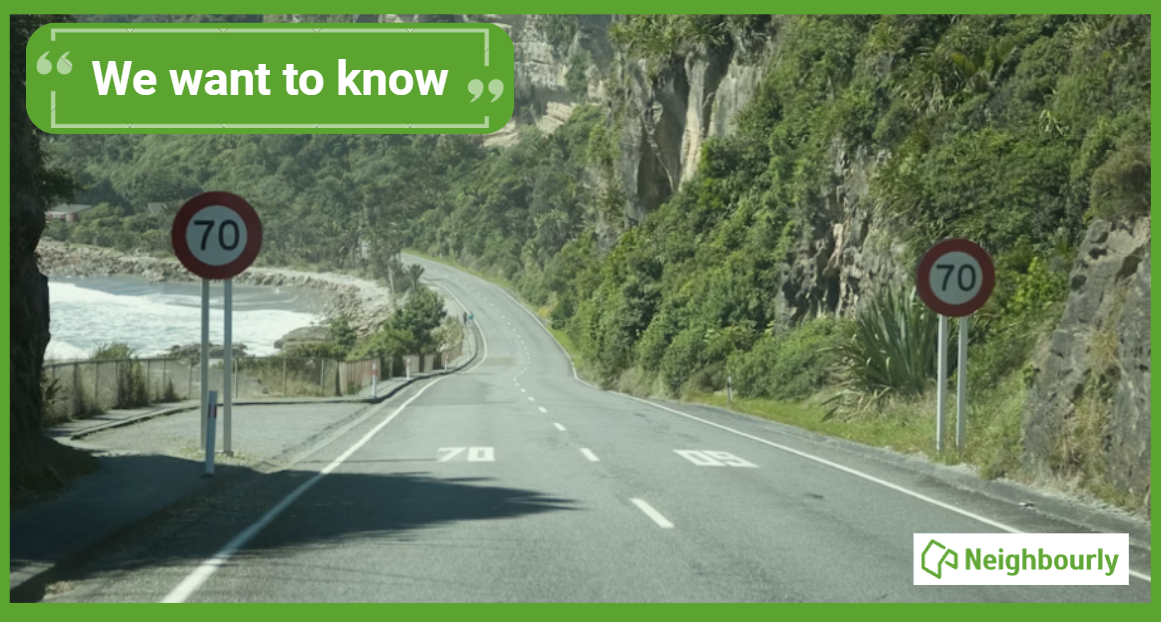
Poll: If we want to reduce speeding, what do you think actually changes driver behaviour? 🛻🚨🚓
In the Post's article on speeding penalties, the question is asked whether speeding fines are truly about road safety, or are they just a way to boost revenue for the Crown?
What do you think? Should speeding motorists receive speeding fines or demerit points?
-
36.5% The sting of a fine (Money talks!)
-
63.5% The threat of demerit points (Nobody wants to lose their license!)
Scam Alert: Bank cold calls
ASB is warning customers about reports of cold calls from scammers claiming to be from ASB. These scammers are trying to obtain personal information, including usernames, dates of birth, and verification codes sent to your mobile phone.
🛡️ The "Caller Check" Test
If you get a call from someone claiming to be from ASB and you’re unsure, just ask them for a Caller Check. You will then be able to verify the call through the app.
Remember, banks will:
❌ Never ask for your banking passwords, PINs, or verification codes
❌ Never need to know your full credit card number – especially the CVC
❌ Never ask you to download software or remotely access your device
❌ Never ask you to purchase gift cards or transfer funds.
If you have received a phone call and think your account has been compromised, call ASB on 0800 ASB FRAUD (0800 272 372), or visit your local branch.


Some Choice News!
DOC is rolling out a new tool to help figure out what to tackle first when it comes to protecting our threatened species and the things putting them at risk.
Why does this matter? As Nikki Macdonald from The Post points out, we’re a country with around 4,400 threatened species. With limited time and funding, conservation has always meant making tough calls about what gets attention first.
For the first time, DOC has put real numbers around what it would take to do everything needed to properly safeguard our unique natural environment. The new BioInvest tool shows the scale of the challenge: 310,177 actions across 28,007 sites.
Now that we can see the full picture, it brings the big question into focus: how much do we, as Kiwis, truly value protecting nature — and what are we prepared to invest to make it happen?
We hope this brings a smile!

 Loading…