





SELL IN SPRING FOR HIGHER PRICES, WINTER FOR FASTER SALE
When you are selling a house, your success often seems to come down to a bit of luck.
The right buyer finds your open home, and - if you're really fortunate - gets into a bit of competitive bidding with another keen purchaser to push up the price.
But when the market is not so hot, that luck can feel harder to find. The latest Real Estate Institute figures show the number of sales in September was down by a quarter, year-on-year.
Market commentators say timing your sale right can help. Kim Sinclair, of Crockers Research Hub, said data showed a connection between migration flows and house price movements.
New Zealand's net migration has been running at a record rate as more people move here and fewer leave. This is one of the factors credited with driving strong house price growth over the past five years. But Sinclair said there was a clear pattern of migration dips between March and May each year, and again in November. That seemed to correlate with dips in sales prices, too.
Sinclair said it made sense that an influx of new arrivals looking for a home would have an effect on the housing market. "This suggests that selling property may not be recommended during those periods as demand may be lower and, conversely, these periods could be good times to buy." Nigel Jeffries, head of Trade Me Property, said winter was the best time of year for sellers who wanted a quick sale. His site's data showed that between June and August, houses spent less time on the market. Last year, properties in Wellington and Christchurch sold faster in winter than in any other season, spending an average of 24 and 38 days on the market, respectively.

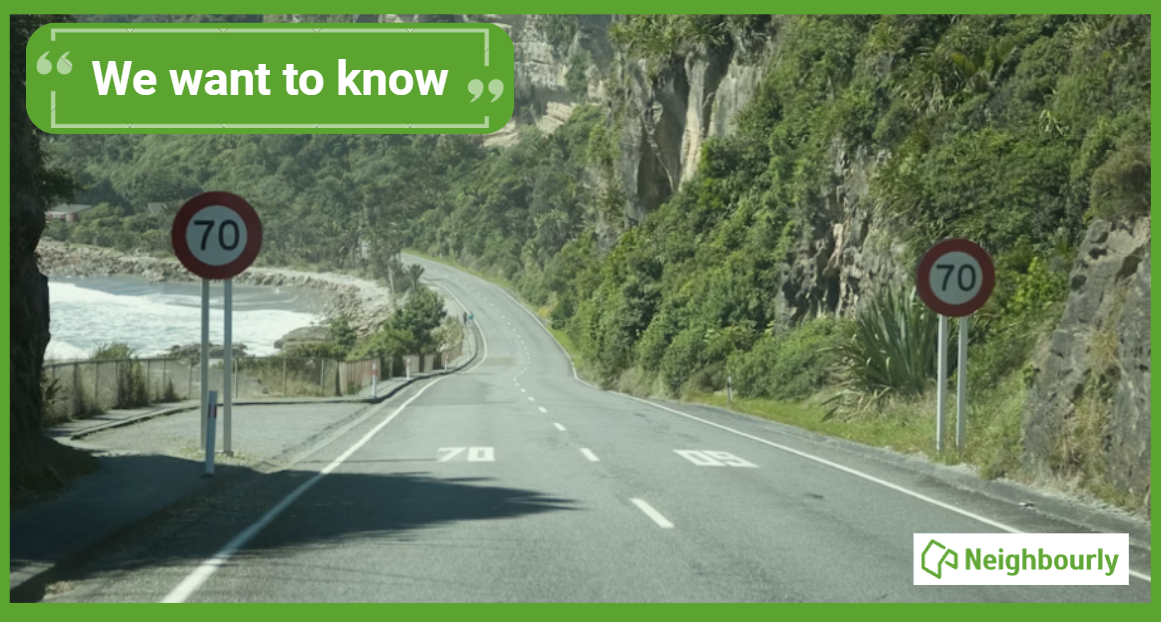
Poll: If we want to reduce speeding, what do you think actually changes driver behaviour? 🛻🚨🚓
In the Post's article on speeding penalties, the question is asked whether speeding fines are truly about road safety, or are they just a way to boost revenue for the Crown?
What do you think? Should speeding motorists receive speeding fines or demerit points?
-
36.6% The sting of a fine (Money talks!)
-
63.4% The threat of demerit points (Nobody wants to lose their license!)
Scam Alert: Bank cold calls
ASB is warning customers about reports of cold calls from scammers claiming to be from ASB. These scammers are trying to obtain personal information, including usernames, dates of birth, and verification codes sent to your mobile phone.
🛡️ The "Caller Check" Test
If you get a call from someone claiming to be from ASB and you’re unsure, just ask them for a Caller Check. You will then be able to verify the call through the app.
Remember, banks will:
❌ Never ask for your banking passwords, PINs, or verification codes
❌ Never need to know your full credit card number – especially the CVC
❌ Never ask you to download software or remotely access your device
❌ Never ask you to purchase gift cards or transfer funds.
If you have received a phone call and think your account has been compromised, call ASB on 0800 ASB FRAUD (0800 272 372), or visit your local branch.

Some Choice News!
DOC is rolling out a new tool to help figure out what to tackle first when it comes to protecting our threatened species and the things putting them at risk.
Why does this matter? As Nikki Macdonald from The Post points out, we’re a country with around 4,400 threatened species. With limited time and funding, conservation has always meant making tough calls about what gets attention first.
For the first time, DOC has put real numbers around what it would take to do everything needed to properly safeguard our unique natural environment. The new BioInvest tool shows the scale of the challenge: 310,177 actions across 28,007 sites.
Now that we can see the full picture, it brings the big question into focus: how much do we, as Kiwis, truly value protecting nature — and what are we prepared to invest to make it happen?
We hope this brings a smile!

 Loading…