






Tips to help create the ultimate raised vegetable garden
1. Keep it simple
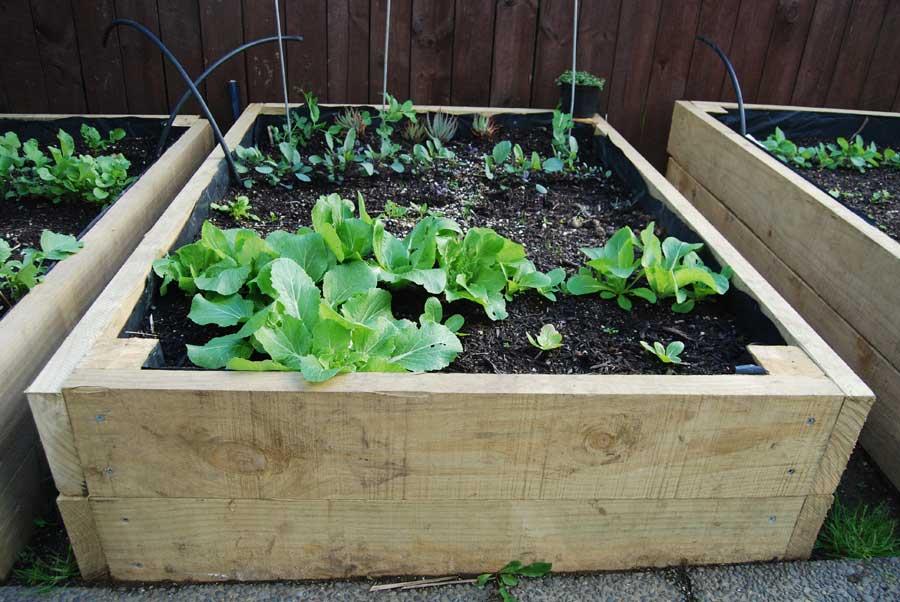
You can’t beat raised vegetable beds for convenience. They’re much easier on your back than in-ground beds and their elevated height means weeds won’t spread so quickly from lawns and other areas. You can also build them anywhere, even over existing concrete, and they’re ideal for sloping sites. If you’re a newbie gardener, they’re more manageable than in-ground beds because you don’t have to worry about testing the pH or improving the quality of your existing soil. Just fill your raised bed with the good stuff that’s specially mixed for growing veges, which you can buy at any garden centre or landscape supply company.
2. Built in
When built well, raised vege beds add smart structure to the garden, which is important when space is tight and your vege patch is close to outdoor living areas. If you use similar materials or colours, the beds can be integrated beautifully with existing built elements. You can also use them for seating by using a wide capping on the tops.
3. Position
The ideal location for raised vegetable beds is virtually the same as in-ground types: level ground (although they can be built on slopes if built across, not down the slope), a minimum of 6 hours of sunlight a day, shelter from wind and frost, and proximity to the kitchen and a hose or other water source. A north-facing position with little shade from overhanging trees and buildings is perfect. However, there are always variations in gardening and veges can be grown in a variety of different aspects, even facing south. It just depends on the type of crop you want to grow.
4. Number of beds
For new gardeners, 3-4 small raised beds will be plenty of work to start off with. You’re better to begin small and have gardens that are well maintained and productive than try to manage several larger beds and give up because it’s all too hard.
5. What soil mix?
There are lots of options when it comes to vege-growing soil mixes, but the chief requirement is that it’s nutrient-rich and free-draining. To make your own, use sterile (no weed seeds) topsoil mixed with homemade or mushroom compost, sheep pellets or other animal manure, hay, bark fines (a fine bark blend) and other organic material.
6. Material choice
Timber boards, stone, brick, concrete block, untreated macrocarpa and corrugated steel are all good options. Ground-treated timber should be lined with polythene so the chemical preservatives used to stop rot won’t leach into the soil. Untreated macrocarpa and other timbers such as cedar contain natural anti-fungicidal oils that are safe for growing edibles.
7. Size
The most important dimension for raised beds is width, to ensure you can easily reach across to the middle from all sides for weeding and harvesting. For access from three sides only, the ideal width is about 1m; from all sides, about 1.5m wide. The length is up to you but it is cheaper if you build to fit standard timber sizes. The depth depends on the veges you want to grow. Aim for around 500mm for root crops such as carrots and potatoes, but for shallow-rooted crops like leafy greens, beds can be 300mm deep.
8. Water
Because the soil in raised beds dries out more quickly, you need to water them more often. You may also need to mulch in summer. Time-poor gardeners could consider a pre-made self-irrigating garden bed or use a wicking system which involves building a reservoir for water below the soil level, meaning less water evaporation.
9. Ready-made
While a key advantage of built-in beds is they can be designed to fit your space, it’s sometimes easier to buy one of the many pre-built raised beds now on the market. Some come with self-watering systems and covers to keep the bugs out and protect crops from wind and heavy rain.
10. On the grass
If you’re planning to build a raised bed on a lawn, kill the grass first by covering it with sheets of cardboard or a tarpaulin for about 6 weeks, or skim off the grass with a sharp spade. Cover the bottom of the raised bed with a thick layer of newspaper or weed mat to prevent grass or weeds growing back.
11. Be safe
Before you start digging holes for posts and so forth, check that there are no water, gas or electricity pipes below. And don’t build a raised bed on a wooden deck unless you are sure it can take the weight.

Poll: 🤖 What skills do you think give a CV the ultimate edge in a robot-filled workplace?
The Reserve Bank has shared some pretty blunt advice: there’s no such thing as a “safe” job anymore 🛟😑
Robots are stepping into repetitive roles in factories, plants and warehouses. AI is taking care of the admin tasks that once filled many mid-level office jobs.
We want to know: As the world evolves, what skills do you think give a CV the ultimate edge in a robot-filled workplace?
Want to read more? The Press has you covered!

-
52.7% Human-centred experience and communication
-
14.7% Critical thinking
-
29.6% Resilience and adaptability
-
2.9% Other - I will share below!

Brain Teaser of the Day 🧠✨ Can You Solve It? 🤔💬
Make a hearty dish. Take just half a minute. Add four parts of kestrel. Then just add one. What have you made?
(Trev from Silverdale kindly provided this head-scratcher ... thanks, Trev!)
Do you think you know the answer? Simply 'Like' this post and we'll post the answer in the comments below at 2pm on the day!
Want to stop seeing these in your newsfeed? No worries! Simply head here and click once on the Following button.


Have you got New Zealand's best shed? Show us and win!
Once again, Resene and NZ Gardener are on the hunt for New Zealand’s best shed! Send in the photos and the stories behind your man caves, she sheds, clever upcycled spaces, potty potting sheds and colourful chicken coops. The Resene Shed of the Year 2026 winner receives $1000 Resene ColorShop voucher, a $908 large Vegepod Starter Pack and a one-year subscription to NZ Gardener. To enter, tell us in writing (no more than 500 words) why your garden shed is New Zealand’s best, and send up to five high-quality photos by email to mailbox@nzgardener.co.nz. Entries close February 23, 2026.

 Loading…