






FIVE SMALL HOME IDEAS THAT MAKE IT EASY FOR YOU TO DOWNSIZE
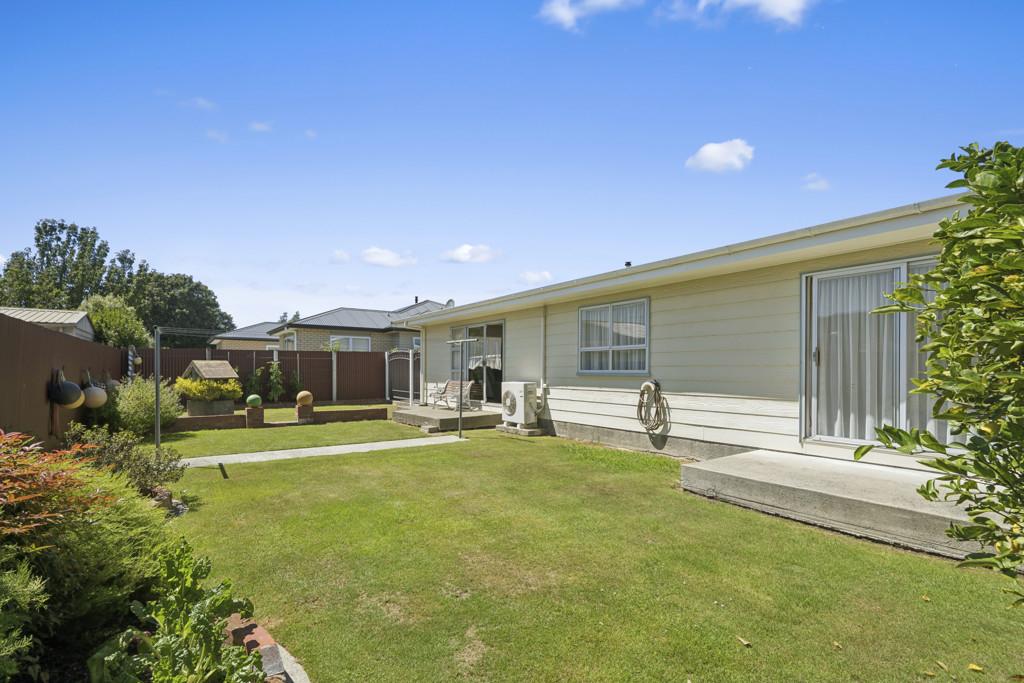
Once upon a time, every Kiwi dreamed of a quarter-acre section complete with a house, two-car garage, rotary clothesline and vege garden. This ideal persists for many, but some are rewriting their home ownership dream to include more efficient spaces, communal areas and green technology.
At the end of the day, the question we all ask ourselves is: what kind of home will allow us and our families to live well in 2018 and beyond? Small living offers some appealing solutions, and every year there are more and more options for small homes on the market, as well as ideas for shrinking our environmental footprint.
1. APARTMENTS
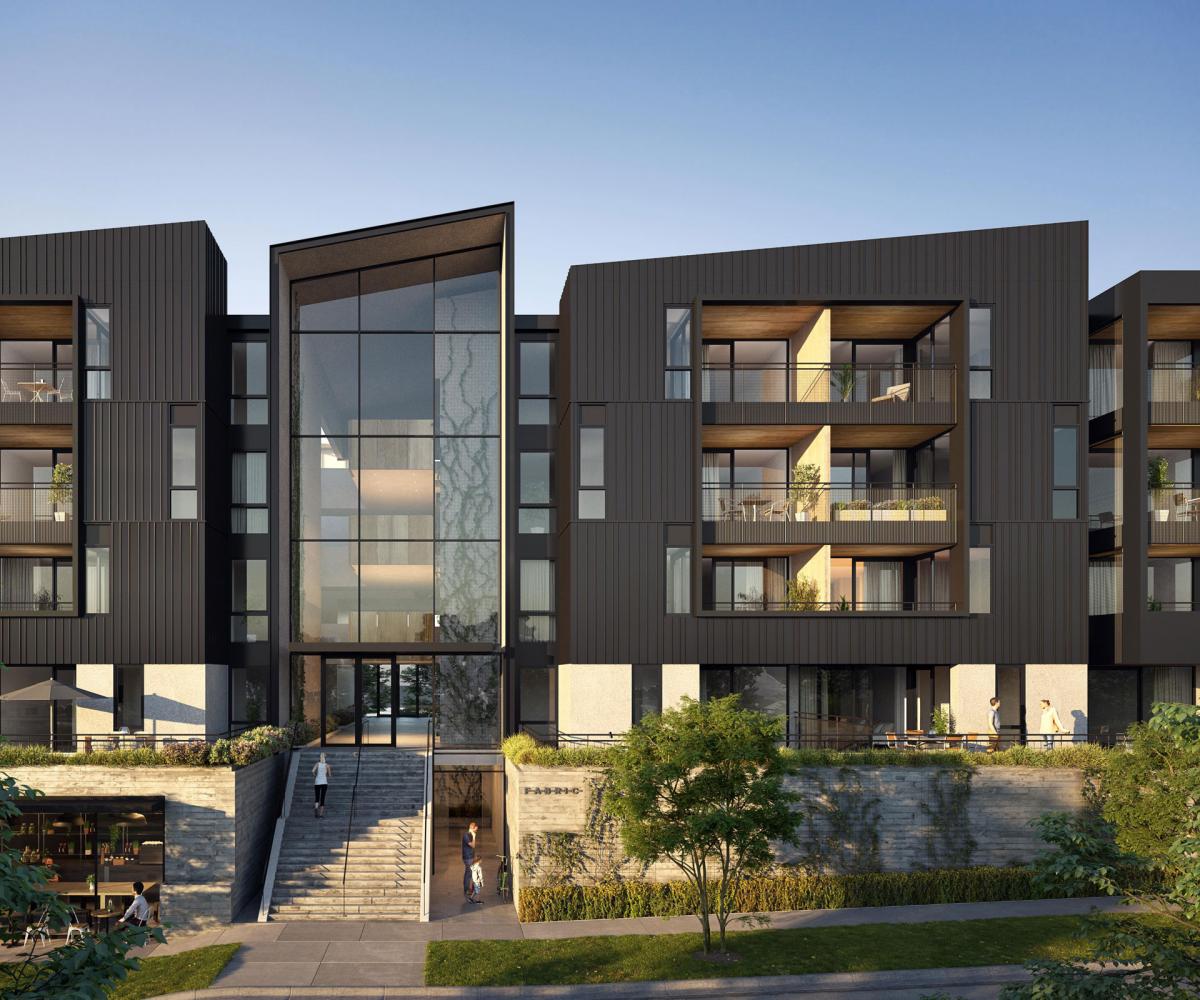
Kiwis are embracing the more compact lifestyle offered by apartment living and not just in Auckland. The Salt development in Mt Maunganui includes 52 apartments, 19 townhouses, a cafe and childcare centre and is almost completely sold.
The Pinnacle complex in Wellington is due for completion at the end of this year and the same developers are also building Victoria Street Precinct, a neighbouring apartment building containing 140 dwellings which all sold off the plans. If you love eating out and seeing movies, but can take or leave several hours of gardening every weekend, apartment life could be for you.
Pros
+ Less maintenance
+ Safe environment
+ Community vibe
+ Central location
+ Consent, design and build process managed for you
+ Services often managed, too
Cons
+ Less green space
+ Proximity to neighbours
+ Body corporate fees and regulations can be costly and restrictive
+ Pets not always allowed
+ Less design freedom
Budget
Very dependent on your site and various other factors, but will be in the ballpark of $4K per square metre.
2. SMALL NEW BUILDS
A “small house” describes a home that is less than 93 square metres. So why bother with a small house when you could just design and build a generous home to suit your family? Part of the answer is: efficiency and ease.
Small house architecture is all about an efficient use of space that is customised to suit the way you live. “Small homes are easier to heat, cool, ventilate and clean,” says Tim Gittos of Space Craft Architects. He’s seeing increasing amounts of infill building on the scraps of leftover land in our cities. “For first-home buyers, small new-builds closer to the city centre have become a viable alternative to larger houses or cookie-cutter homes on the city outskirts,” he says.
Space Craft is also working on some exciting co-housing projects, where people club together to buy land and build small houses with shared common areas. “This is a very exciting new area to be a part of,” he says.
Pros
+ Can customise to suit site and preferences
+ High quality and finishing
+ Options for communal living
Cons
+ Can be a more expensive option
+ Can take longer from design to build
Considerations
+ The consent process will be similar to a normal new-build
+ Some subdivisions have minimum home-size requirements
Budget
+ Price depends on location, size and other factors.
+ A one-bedroom apartment in The Pinnacle in Wellington is priced at $395K while a three-bedroom is pricedat $920K.
3. TINY HOMES
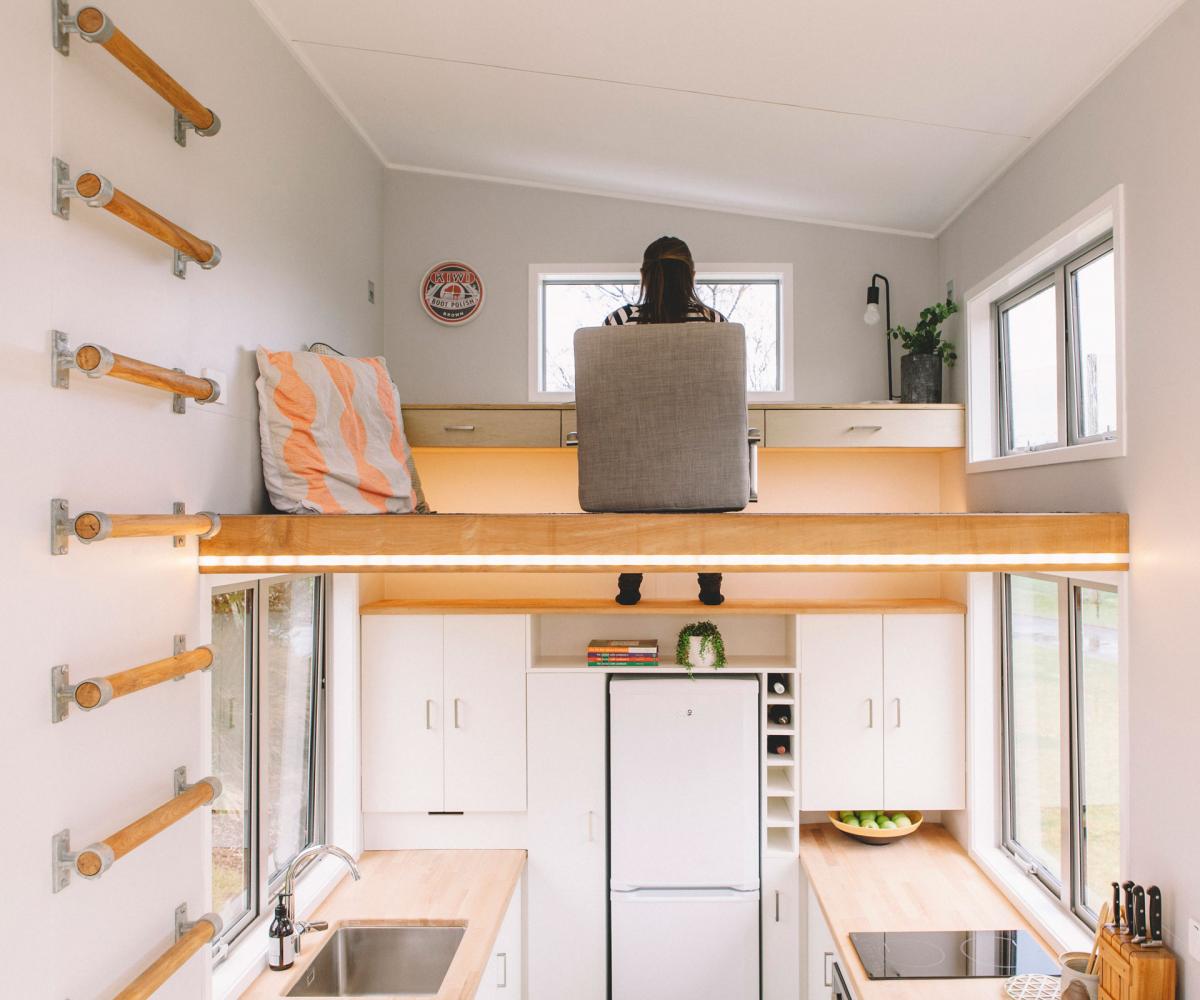
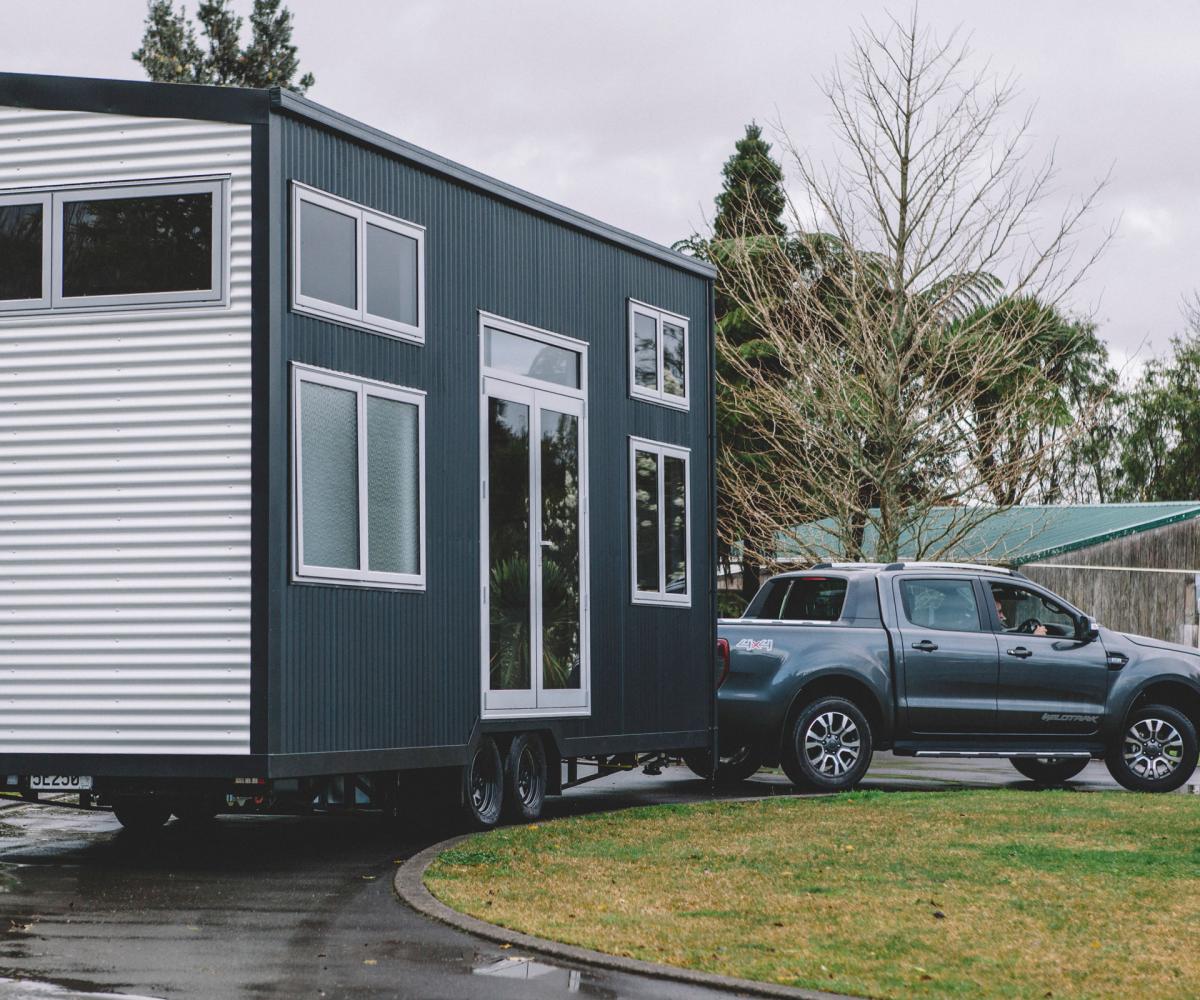
A “tiny house” usually has a floor area of 46 square metres or less, with many built on trailers. You can try your hand at DIY but it will be a lot easier to enlist an expert. Build Tiny is a new Kiwi business that’s all about building design-led tiny houses.
Gina Stevens, the designer at Build Tiny, says the best thing about going tiny is the cost savings. “You can take the cash you save and spend it on travel, experiences, good food and wine, or simply work less,” she says. And her advice for people who are thinking about a tiny house? “Try before you buy. We recommend people stay in as many tiny homes as possible to experience tiny-house living first-hand.”
Pros
+ Semi-permanent homes can be moved
+ Less maintenance, savings on bills and insurance
+ Affordable option
Cons
+ Small space for families or pets
+ Lack of storage
+ Less solitary space or privacy
Considerations
+ Ensure you think through waste disposal, site and access requirements
Budget
A Build Tiny home will cost between $60K and $120K-plus. Costs may be less if you build your own, but you will need to allow for your own labour costs.
4. CONTAINER HOMES
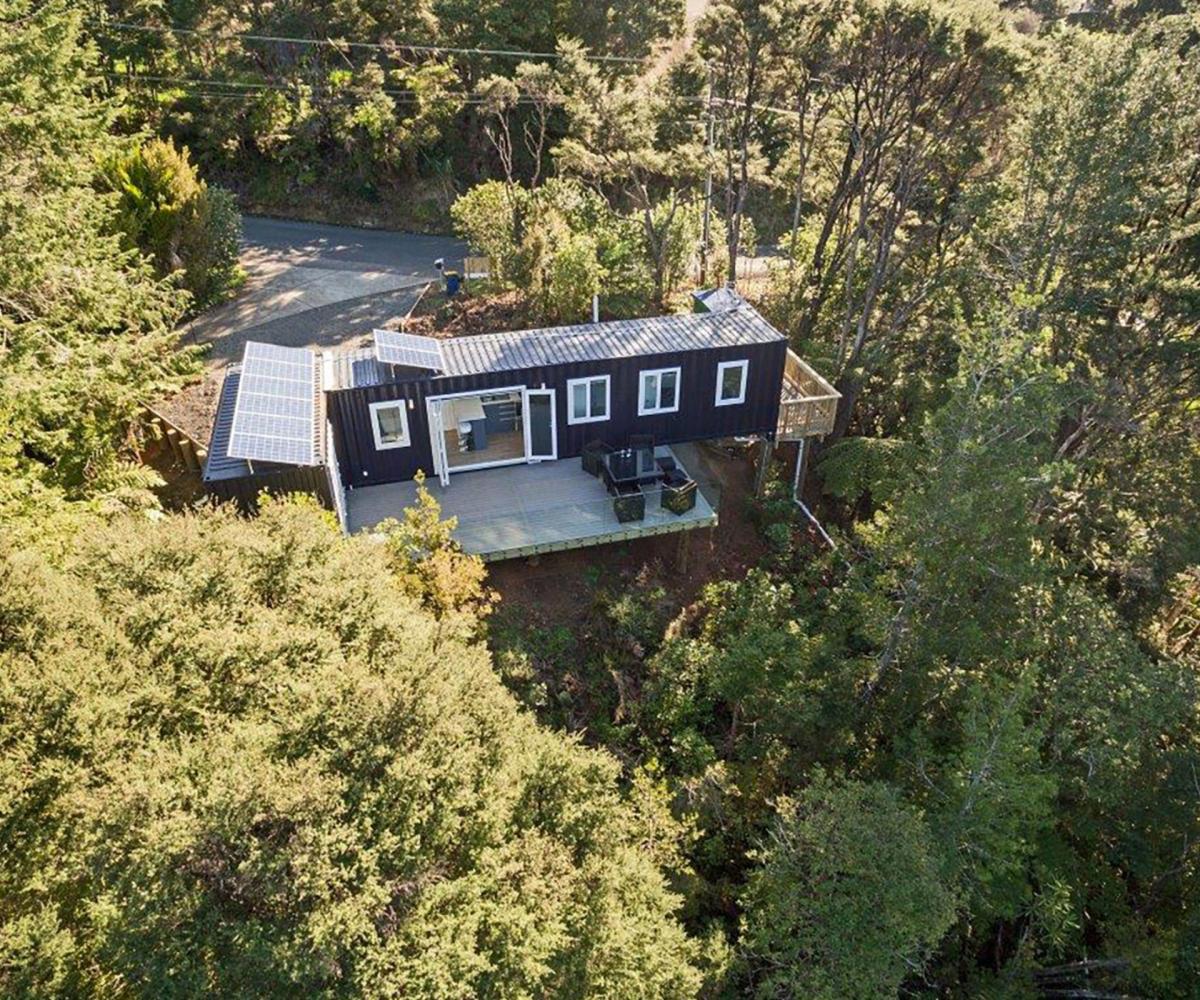
The potential for recycled shipping containers to become raw building materials has really entered the mainstream, with containers showing up all over the place as garden sheds and storage units, as well as granny flats and baches. The popularity of the container look is also inspiring a new wave of designs – Podlife creates small modular buildings that look like extremely stylish containers.
Pros
+ Lower foundation costs
+ Structurally strong
+ Stylish and functional designs
+ Will fit small sections
+ Easy to transport
Cons
+ Consent can be tricky, but most building companies will help you manage this
+ Design options can be limited
Budget
A 10-square-metre pod from Podlife starts at $16K plus delivery costs.
5. PREFAB HOMES
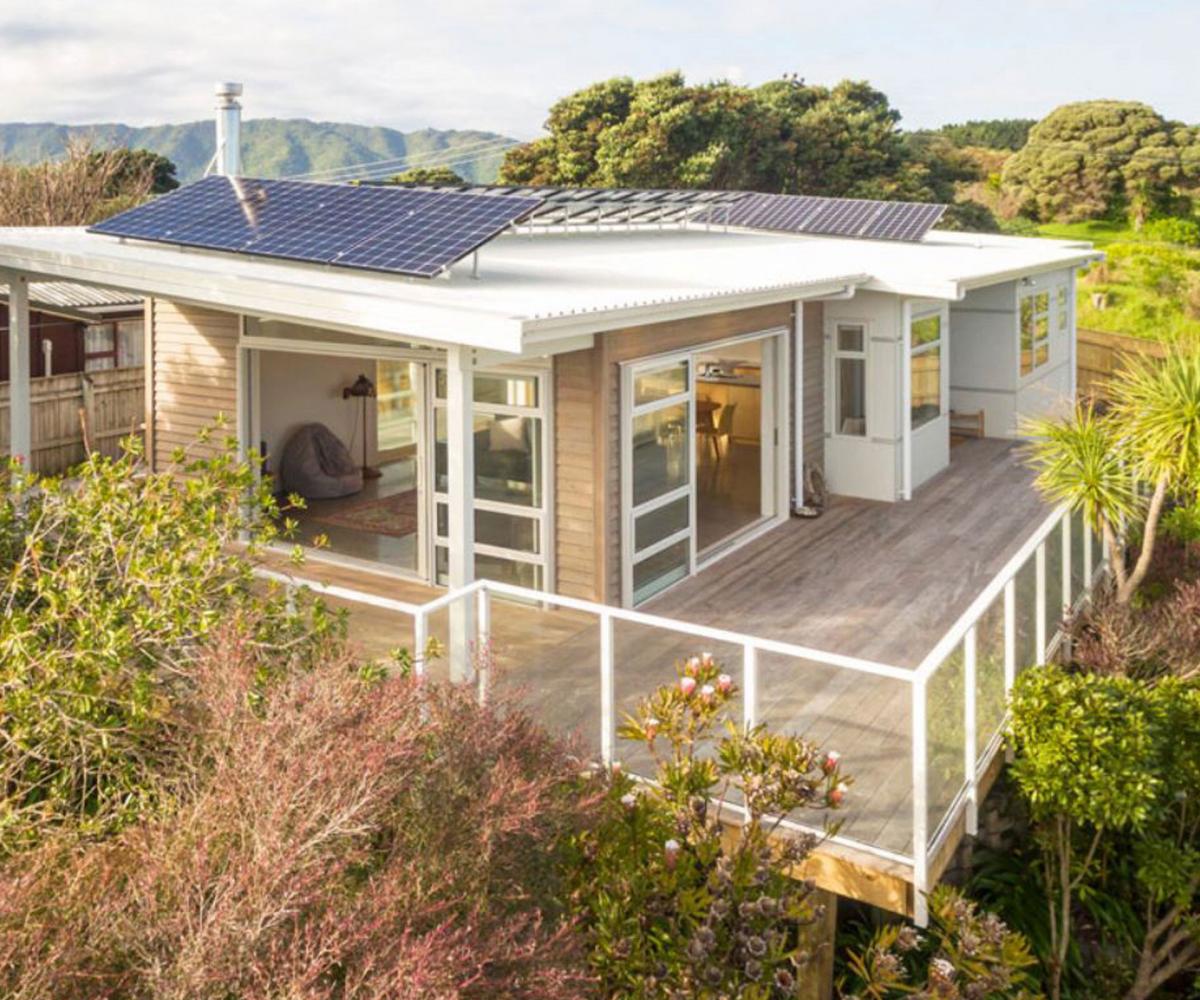
A prefabricated home is built to your specifications in a factory and delivered to your site in one or more pieces. These days, there are multiple companies offering beautiful designs using modern materials.
Pros
+ More affordable than a custom new-build
+ Fast turnaround
+ Design, consent and build process managed for you
+ Efficient use of materials
+ Minimal site disruption
Cons
+ Less design freedom
+ You may have limited material and finish choices
+ Options may be restricted by site access
Considerations
+ Make sure you get a complete price, or be aware of what costs are excluded
+ You may need two building consents as the house will be built in one location then installed in another
Budget
A two-bedroom home from Greenhaven starts at $200K plus delivery, consent and on-site costs.

Some Choice News!
DOC is rolling out a new tool to help figure out what to tackle first when it comes to protecting our threatened species and the things putting them at risk.
Why does this matter? As Nikki Macdonald from The Post points out, we’re a country with around 4,400 threatened species. With limited time and funding, conservation has always meant making tough calls about what gets attention first.
For the first time, DOC has put real numbers around what it would take to do everything needed to properly safeguard our unique natural environment. The new BioInvest tool shows the scale of the challenge: 310,177 actions across 28,007 sites.
Now that we can see the full picture, it brings the big question into focus: how much do we, as Kiwis, truly value protecting nature — and what are we prepared to invest to make it happen?
We hope this brings a smile!


Have you got New Zealand's best shed? Show us and win!
Once again, Resene and NZ Gardener are on the hunt for New Zealand’s best shed! Send in the photos and the stories behind your man caves, she sheds, clever upcycled spaces, potty potting sheds and colourful chicken coops. The Resene Shed of the Year 2026 winner receives $1000 Resene ColorShop voucher, a $908 large Vegepod Starter Pack and a one-year subscription to NZ Gardener. To enter, tell us in writing (no more than 500 words) why your garden shed is New Zealand’s best, and send up to five high-quality photos by email to mailbox@nzgardener.co.nz. Entries close February 23, 2026.

Share your favourite main crop potato recipe and win a copy of our mag!
Love potatoes? We will give away free copies of the May 2026 issue to readers whose potato recipes are used in our magazine. To be in the running, make sure you email your family's favourite way to enjoy potatoes: mailbox@nzgardener.co.nz, by March 1, 2026.

 Loading…