






Composting for Beginners
Compost is nature’s way of recycling. Made from waste garden material, compost is an essential ingredient for creating rich, friable soil and therefore healthy plants. Find out how to make compost with the guide below and use compost throughout your garden for healthy plant growth!
HOW TO SET UP YOUR COMPOST SYSTEM
To get started you will need a good structure or container to hold your compost. Reln Garden Compost Bins are a great option, or you could build your own, for example out of plastic bins or pallets, or create a compost heap. Look online for more ideas.
Choose a sunny position for your compost system and ensure it is easily accessible for adding ingredients and regular mixing.
Prepare your compost in layers that are a blend of carbon and nitrogen. This means adding a mix of organic garden and kitchen waste materials.
Carbon: Leaves, sticks, twigs and newspaper.
Nitrogen: Fruit and vegetable kitchen scraps, lawn clippings, egg shells, coffee grounds, tea leaves and sheep pellets.
Avoid adding: meat, dairy products or bread as these can attract unwanted pests. Don’t add any diseased plant material, to avoid spreading the disease.
A good rule of thumb is to add nothing larger than your little finger. Break up larger items like sticks, twigs and cardboard before adding them, to help them break down more quickly.
Layer materials evenly, making sure each layer is no thicker than 10cm. For every layer of backyard and garden waste, add a layer of kitchen waste material.
To help get the composting process underway you can add some existing compost to each layer. Add a little water with each layer and mix the material every few additions.
Put a lid on your compost bin to enable it to decompose quickly. Mix your compost regularly. It is compost when it is dark brown and smells earthy - it takes six to eight weeks to fully mature.
USING COMPOST IN YOUR GARDEN
Compost has a variety of benefits when used in your garden. It replaces nutrients that have been removed during a growing season, improves soil structure and increases the amount of oxygen available to plants.
Compost also conditions soil, improves moisture retention, increases earthworm activity and improves fertiliser use by plants.
For best results compost should be dug into the soil. Don’t plant directly into compost as this can burn plant roots.
The content of your compost bin should have the consistency of a damp sponge. If your compost gets a bit too wet, adding paper will help soak up excess water.
Apply 100g (approximately 10 tablespoons) of Tui Compost Enhancer per square metre to help speed up compost decomposition and keep away flies.


Some Choice News!
DOC is rolling out a new tool to help figure out what to tackle first when it comes to protecting our threatened species and the things putting them at risk.
Why does this matter? As Nikki Macdonald from The Post points out, we’re a country with around 4,400 threatened species. With limited time and funding, conservation has always meant making tough calls about what gets attention first.
For the first time, DOC has put real numbers around what it would take to do everything needed to properly safeguard our unique natural environment. The new BioInvest tool shows the scale of the challenge: 310,177 actions across 28,007 sites.
Now that we can see the full picture, it brings the big question into focus: how much do we, as Kiwis, truly value protecting nature — and what are we prepared to invest to make it happen?
We hope this brings a smile!


Have you got New Zealand's best shed? Show us and win!
Once again, Resene and NZ Gardener are on the hunt for New Zealand’s best shed! Send in the photos and the stories behind your man caves, she sheds, clever upcycled spaces, potty potting sheds and colourful chicken coops. The Resene Shed of the Year 2026 winner receives $1000 Resene ColorShop voucher, a $908 large Vegepod Starter Pack and a one-year subscription to NZ Gardener. To enter, tell us in writing (no more than 500 words) why your garden shed is New Zealand’s best, and send up to five high-quality photos by email to mailbox@nzgardener.co.nz. Entries close February 23, 2026.

Share your favourite main crop potato recipe and win a copy of our mag!
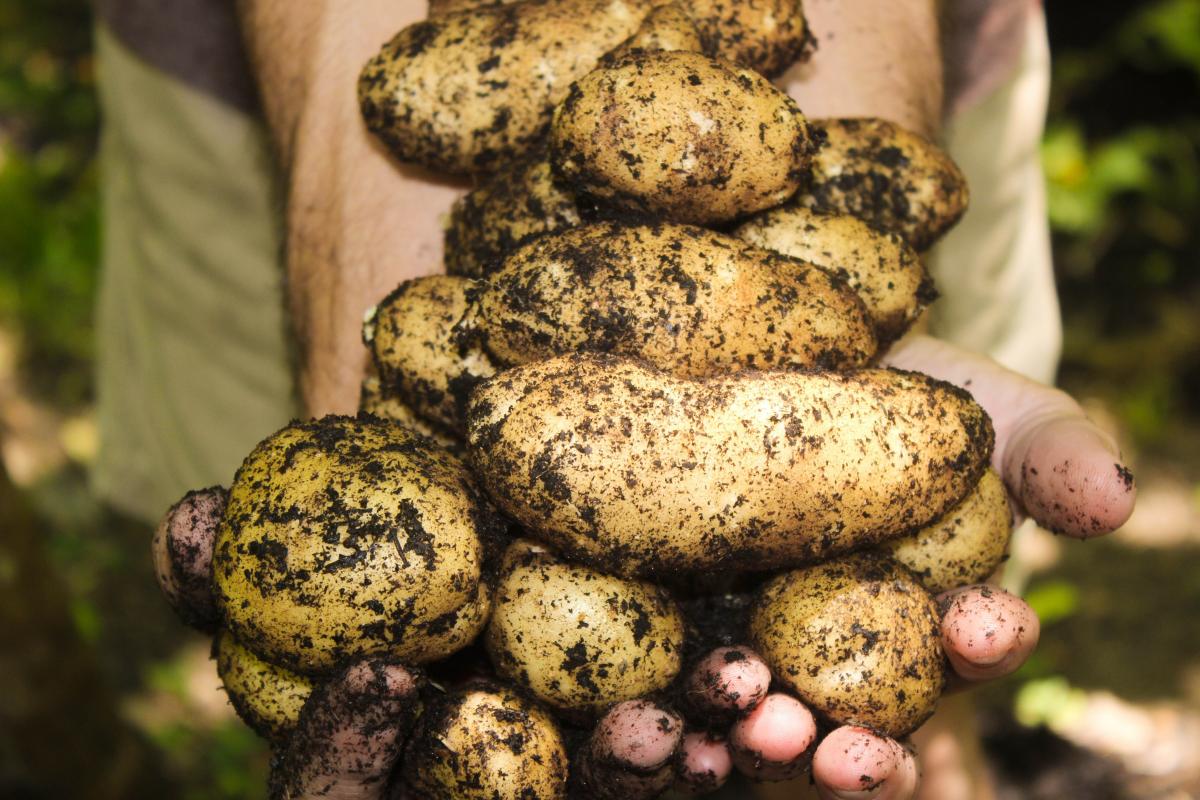
Love potatoes? We will give away free copies of the May 2026 issue to readers whose potato recipes are used in our magazine. To be in the running, make sure you email your family's favourite way to enjoy potatoes: mailbox@nzgardener.co.nz, by March 1, 2026.
 Loading…