





What workplace change would you like to see most?
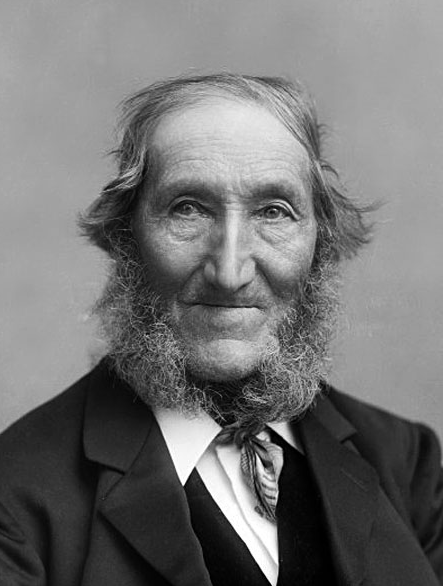
This coming Monday is Labour Day in New Zealand. This public holiday marks when the eight-hour workday and 48-hour workweek became law in 1899. The idea started with Samuel Parnell, a carpenter in Wellington, who in 1840 refused to work more than eight hours a day. Since skilled workers were in short supply, his employer had to agree.
As more skilled workers arrived, employers tried to change working conditions, but Parnell and others kept pushing for better rights. In 1890, Parnell led a Labour Day parade of 1,500 people to promote the eight-hour day. He passed away shortly after, and nine years later, Labour Day became an official public holiday.
Do you feel that we have reached the ideal in working environments yet? What rights are you passionate about relating to employment? Share your thoughts!
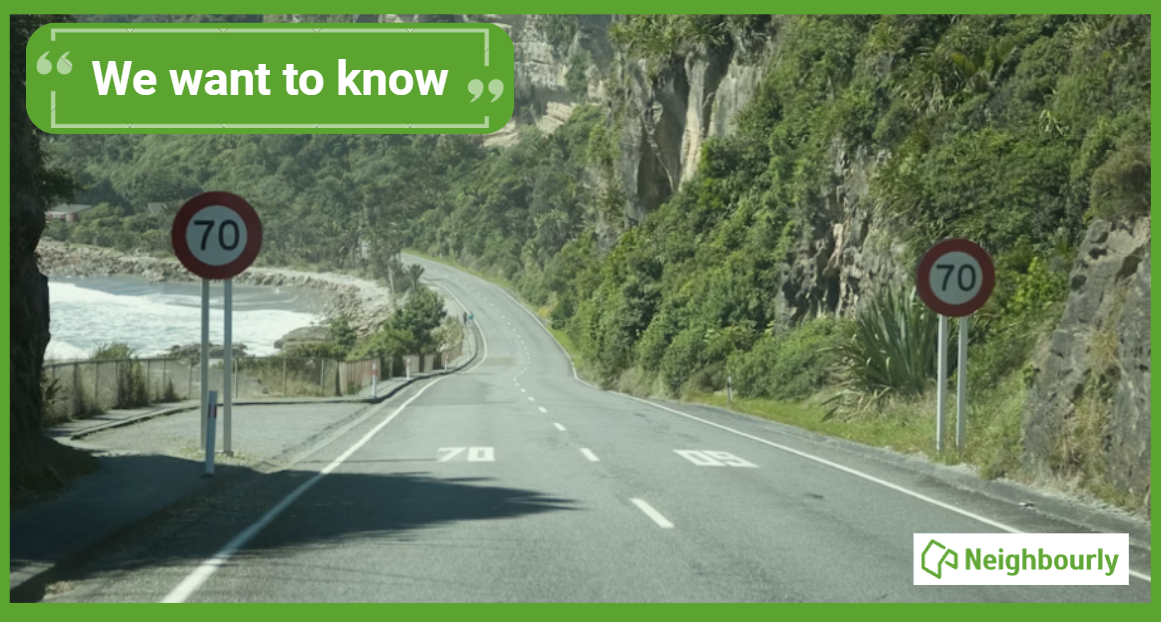
Poll: If we want to reduce speeding, what do you think actually changes driver behaviour? 🛻🚨🚓
In the Post's article on speeding penalties, the question is asked whether speeding fines are truly about road safety, or are they just a way to boost revenue for the Crown?
What do you think? Should speeding motorists receive speeding fines or demerit points?
-
35.4% The sting of a fine (Money talks!)
-
64.6% The threat of demerit points (Nobody wants to lose their license!)

Share your favourite main crop potato recipe and win a copy of our mag!
Love potatoes? We will give away free copies of the May 2026 issue to readers whose potato recipes are used in our magazine. To be in the running, make sure you email your family's favourite way to enjoy potatoes: mailbox@nzgardener.co.nz, by March 1, 2026.

Scam Alert: Bank cold calls
ASB is warning customers about reports of cold calls from scammers claiming to be from ASB. These scammers are trying to obtain personal information, including usernames, dates of birth, and verification codes sent to your mobile phone.
🛡️ The "Caller Check" Test
If you get a call from someone claiming to be from ASB and you’re unsure, just ask them for a Caller Check. You will then be able to verify the call through the app.
Remember, banks will:
❌ Never ask for your banking passwords, PINs, or verification codes
❌ Never need to know your full credit card number – especially the CVC
❌ Never ask you to download software or remotely access your device
❌ Never ask you to purchase gift cards or transfer funds.
If you have received a phone call and think your account has been compromised, call ASB on 0800 ASB FRAUD (0800 272 372), or visit your local branch.
 Loading…