





Re: Is type two diabetes killing you or someone you love?
Symptoms of Type 2 Diabetes can often be overlooked. 10-15 years can go by before the person with 'higher than normal blood sugar' realizes that the weight gain/loss, tiredness, wounds that don't heal, thrush infections etc are not just part of life, but due to Type 2 diabetes.
Even with a diagnosis, its sometimes hard to get your head round things; resulting in a leg being amputated, blindness, kidney problems. If you, or someone you love is at risk of Type 2 diabetes take them to see your GP.
If a blood test for diabetes has not been completed within the last 2 years then ask your GP for a HbA1c test. If you are unsure if your family history or current lifestyle choices place you at risk of Type 2, give us a call on 07 571 3422.
If you have been diagnosed with Type 2, and are struggling to make sense of things or get your sugars under control, then ring us on 07 5713422; we are waiting for your call.
If you have Type 1 or gestational diabetes contact us, or check out our website www.diabeteshelp.org.nz... for details of our services.


Ryman Village Open Days
Friday 20 & Saturday 21 March, 10am - 2pm.
Come and experience the warmth of our Ryman village communities, we'd love to show you around.
Discover our lifestyle and care options, tour our show homes and explore our premium amenities.


How can our communities manage a drop in school funding without losing the "soul" of our local schools in the Bay of Plenty?
New Zealand is seeing some big demographic shifts, and the reality is that shrinking school rolls are on the horizon 📉🏫
Since school funding and teacher numbers are tied to how many students are in the classrooms, our local schools might be facing some "belt-tightening" in the coming years.
Our question to you: How can our communities manage a drop in school funding without losing the "soul" of our local schools in the Bay of Plenty?

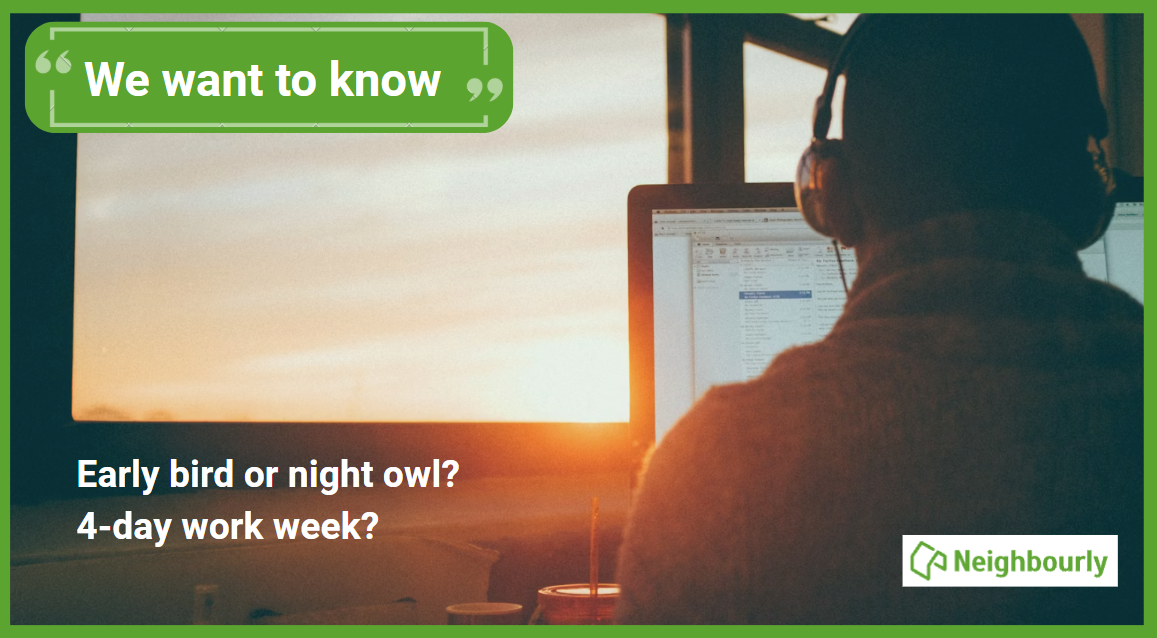
🪱🐦 When are you the most productive? 🌙🦉
The Post has been diving into our daily habits, and research suggests being an early bird or a night owl isn’t just a choice—it’s biology! We all have that specific time when our brains finally "click" into gear.
This raises a big question for the modern workplace. To get the best out of everyone, should employers accommodate our natural body clocks? This idea is at the heart of the four-day work week and flexible scheduling movements.
We want to hear from you:
1. When does your brain "click" into gear?
2. Would a flexible (or shortened) schedule change the way you work?
 Loading…