







re: Do you have diabetes and suffer from chronic pain in your legs or feet?
Did you know......
People suffering from high blood sugar for a substantial period (ie diabetes or diagnosed diabetes) are at a higher risk of developing neuropathy. Apart from changing sugar levels, various other factors like high blood pressure, high lipid levels, smoking, and consuming alcohol can also result in nerve damage.
A recent study conducted on diabetic patients showed that about 50-70 per cent of them developed some form of neuropathy in their lifetime. The study also pointed out that one in three diabetic patients show evidence of diabetes-related nerve damage during their first visit to the doctor. Further, nerve damage results in around 50-75 per cent of non-traumatic leg amputations.
However, this is a preventable complication. It can be controlled by monitoring the blood sugar, which, in turn, will prevent the onset or progression of nerve damage.
Diabetic neuropathy can be classified into four sub-segments:
Peripheral neuropathy
- This condition affects the nerves of the patient's toes, feet, legs, hands and arms, leading to numbness, loss of sensation and pain.
Autonomic neuropathy
- In this condition, the nerves that regulate autonomic function such as digestion, bowel and bladder function, regulation of vision, sexual response, perspiration, heart rate and blood pressure are affected. In the long run, the patient experiences symptoms like constipation, diarrohea, nausea, low appetite, dizziness, blood pressure changes and urinary incontinence.
Focal neuropathy
- Occurs in any peripheral nerve. The onset of the pain or numbness may be severe and sudden, most often in the torso, head or leg. However, it can also occur in the nerves in the eye, causing sudden vision changes.
Proximal neuropathy
- Proximal neuropathy affects nerves in the thighs, hips or buttocks causing pain or numbness. It can lead to weakness in the legs.
Prevention is better than cure
- The best way to prevent neuropathy is to keep your blood glucose levels as close to normal as possible.
Diabetes Help Tauranga, in conjunction with Foot Mechanics Tauranga is running a FREE brief foot screening clinic on Weds 13th September. If you have diabetes, come along and have your risk of neuropathy assessed. Ring our INFOLine 07 571 3422 to make an appointment now.
Read more at:economictimes.indiatimes.com...



Get up to $30,000 back* with your new home
Sign up to an independent apartment or townhouse at a participating Ryman village by 31 March 2026 and receive a $30,000 credit on settlement or sign up to a serviced apartment and receive a $10,000 credit on settlement*.
Imagine a new smart TV, your next getaway or furniture for your new home. With more money staying in your pocket, it’s yours to spend!
Discover the lifestyle that awaits.
*Participating villages only, Terms and conditions apply.


🎉 Riddle me this, legends! 🎉
He/She who makes it, sells it.
He/She who buys it, doesn't use it.
The user doesn't know they are using it.
What is it?
(Shezz from Ngāruawāhia kindly provided this head-scratcher ... thanks, Shezz!)
Do you think you know the answer? Simply 'Like' this post if you know the answer and the big reveal will be posted in the comments at 2pm on the day!
Want to stop seeing these in your newsfeed?
Head here and hover on the Following button on the top right of the page (and it will show Unfollow) and then click it. If it is giving you the option to Follow, then you've successfully unfollowed the Riddles page.


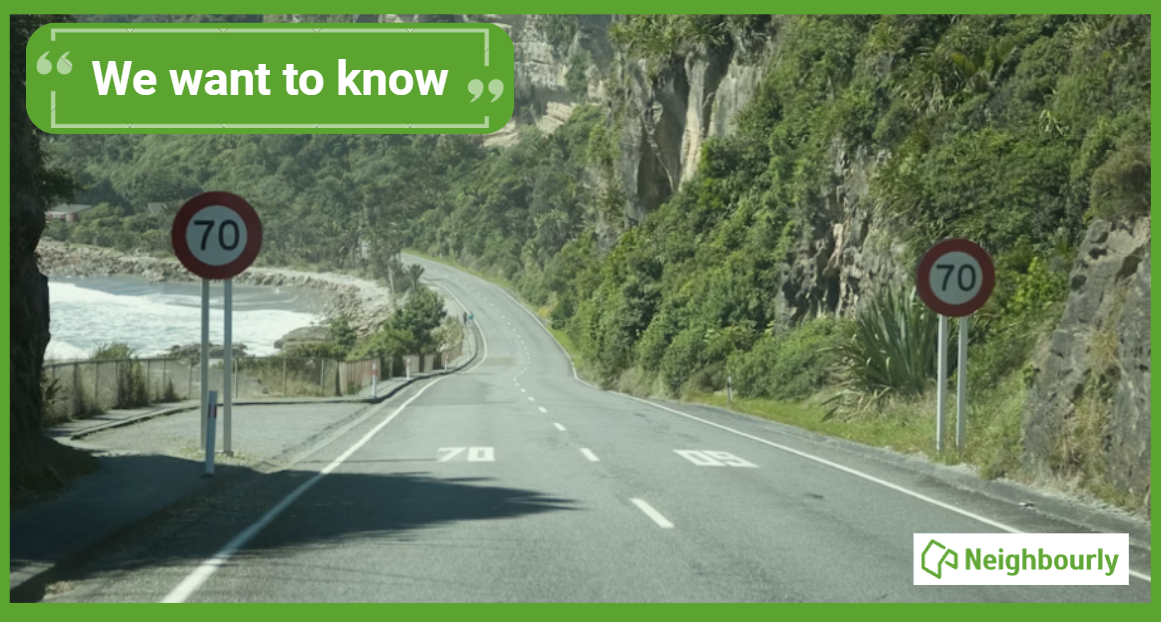
Poll: If we want to reduce speeding, what do you think actually changes driver behaviour? 🛻🚨🚓
In the Post's article on speeding penalties, the question is asked whether speeding fines are truly about road safety, or are they just a way to boost revenue for the Crown?
What do you think? Should speeding motorists receive speeding fines or demerit points?
-
37.2% The sting of a fine (Money talks!)
-
62.8% The threat of demerit points (Nobody wants to lose their license!)
 Loading…