






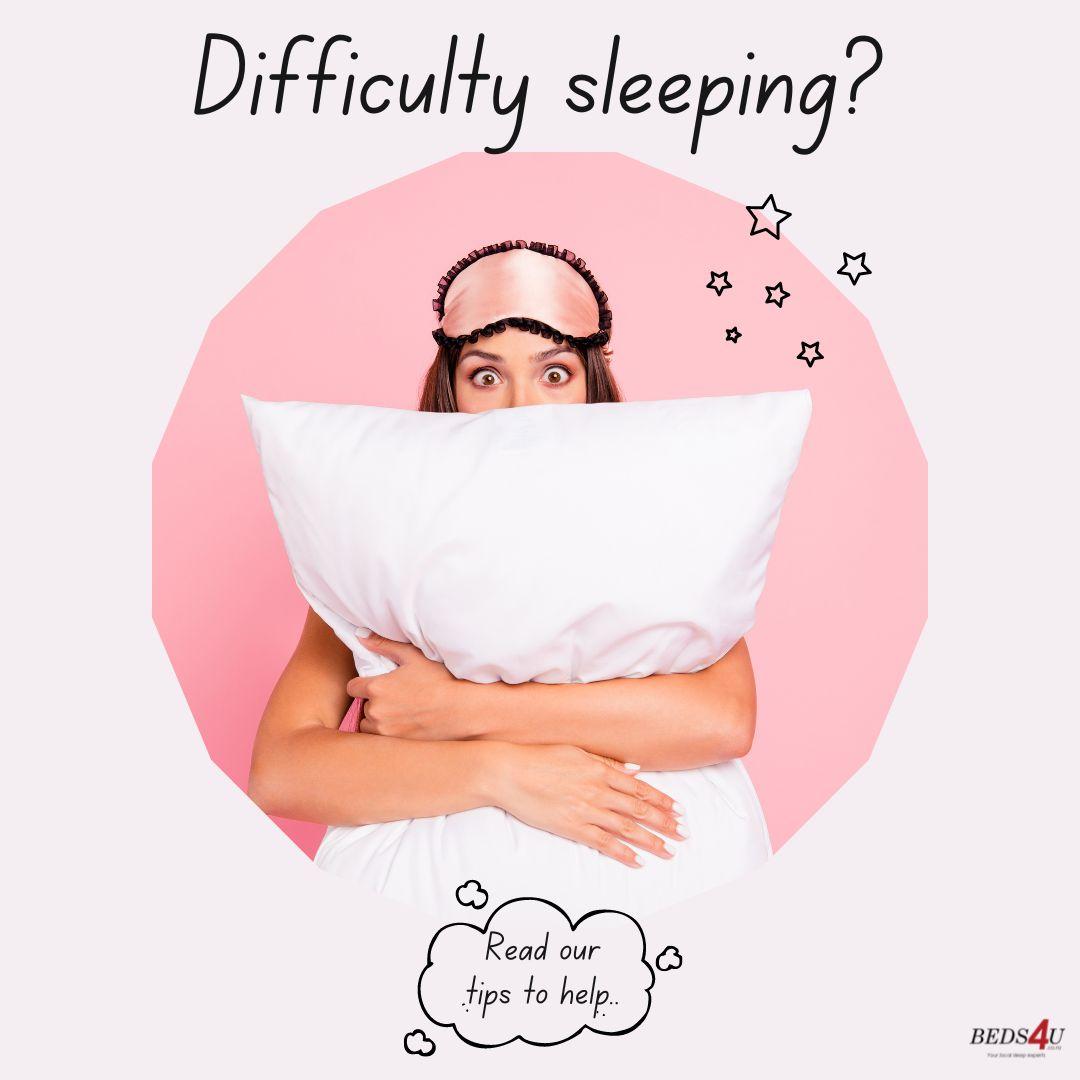
3 Tips To Sleep Better.
Sleep helps our bodies function properly, it balances our moods, and even helps in the healing of illnesses and injuries. While some individuals have no trouble going asleep at night, others find it difficult. Those who suffer from chronic insomnia or who have difficulty falling asleep sometimes may benefit from the following exercise.
Yoga Nidra
Most people already know that yoga and meditation promote serenity and awareness, but many are unaware that they can also encourage a healthy sleep pattern. Yoga nidra, also known as yogic sleep, is a type of guided meditation that is done while laying still in savasana or similar comfortable reclined position.
Revamp Your Bed
Research proves sleeping on a mattress that is too soft or too firm can lead to muscular discomfort, causing wakefulness during the night. Using an old pillow or one that is the wrong firmness or shape for your preferred sleep position can have a similar effect. If you find that you cannot get comfortable in your bed or wake up often throughout the night, replacing your pillow or mattress could help.
Clean Your Bedroom
Because there is a link between a crowded bedroom and a cluttered mind, it stands to reason that sleeping in a tidy bedroom can enhance sleep and minimize racing thoughts. Organizing and tidying your room can help you relax at the end of the day to snuggle into a beautifully made bed.

How can our communities manage a drop in school funding without losing the "soul" of our local schools in the Bay of Plenty?
New Zealand is seeing some big demographic shifts, and the reality is that shrinking school rolls are on the horizon 📉🏫
Since school funding and teacher numbers are tied to how many students are in the classrooms, our local schools might be facing some "belt-tightening" in the coming years.
Our question to you: How can our communities manage a drop in school funding without losing the "soul" of our local schools in the Bay of Plenty?

🪱🐦 When are you the most productive? 🌙🦉
The Post has been diving into our daily habits, and research suggests being an early bird or a night owl isn’t just a choice—it’s biology! We all have that specific time when our brains finally "click" into gear.
This raises a big question for the modern workplace. To get the best out of everyone, should employers accommodate our natural body clocks? This idea is at the heart of the four-day work week and flexible scheduling movements.
We want to hear from you:
1. When does your brain "click" into gear?
2. Would a flexible (or shortened) schedule change the way you work?

🌉🛶 Early Birds Might Crack This One First… or Not? 🥚🧠
A person is crossing a bridge and sees a boat full of people, yet there isn't a single person on board.
How is this possible?
(Susan from Massey kindly provided this head-scratcher ... thanks, Susan!)
Do you think you know the answer? Simply 'Like' this post if you know the answer and the big reveal will be posted in the comments at 2pm on the day!
Want to stop seeing these in your newsfeed?
Head here and hover on the Following button on the top right of the page (and it will show Unfollow) and then click it. If it is giving you the option to Follow, then you've successfully unfollowed the Riddles page.
 Loading…