






Canterbury’s ‘neglected’ coastline needs greater protection – conservationists
By David Hill, Local Democracy Reporter
Conservationists say Canterbury’s coastline has been neglected for too long and it's time for a "complete overhaul" of the regional council's plan to protect the marine environment.
Te Korowai o Te Tai ō Marokura, an organisation that protects Kaikōura’s marine environment and fisheries, has been advocating for an updated environmental plan for some time.
Secretary Gina Solomon said the council’s focus on freshwater has seen it ‘‘neglect’’ the marine environment.
‘‘It needs a complete overhaul and I don’t think Canterbury is doing much in the biosecurity or invasive species space.’’
Her comments come after Environment Canterbury voted last week to look into what was needed to review the Canterbury Regional Coastal Environment Plan.
The plan was adopted in 2005 and aims to promote the sustainable management of the Canterbury coast.
Councillor Genevieve Robinson, who put forward the motion to review the plan, said it no longer reflected the direction or intent of the New Zealand Coastal Policy Statement, which guides local authorities on managing the coastal environment.
Kaikōura Zone Committee chairperson Ted Howard, a conservationist with 30 years experience in commercial fishing, said a review was long overdue.
‘‘It has been on and off the books for a while and it has been delayed three times since I’ve been involved.’’
Greenpeace Aotearoa oceans campaigner Ellie Hooper said regional coastal plans played an important part in protecting the health of ocean systems.
New Zealand’s coastlines faced risks from pollution, sedimentation and ‘‘destructive fishing’’.
‘‘In New Zealand and around the world, we are in an ocean crisis with species being pushed to the brink due to human activities.’’
Polling by Greenpeace showed New Zealanders were concerned about the impacts fishing on the ocean.
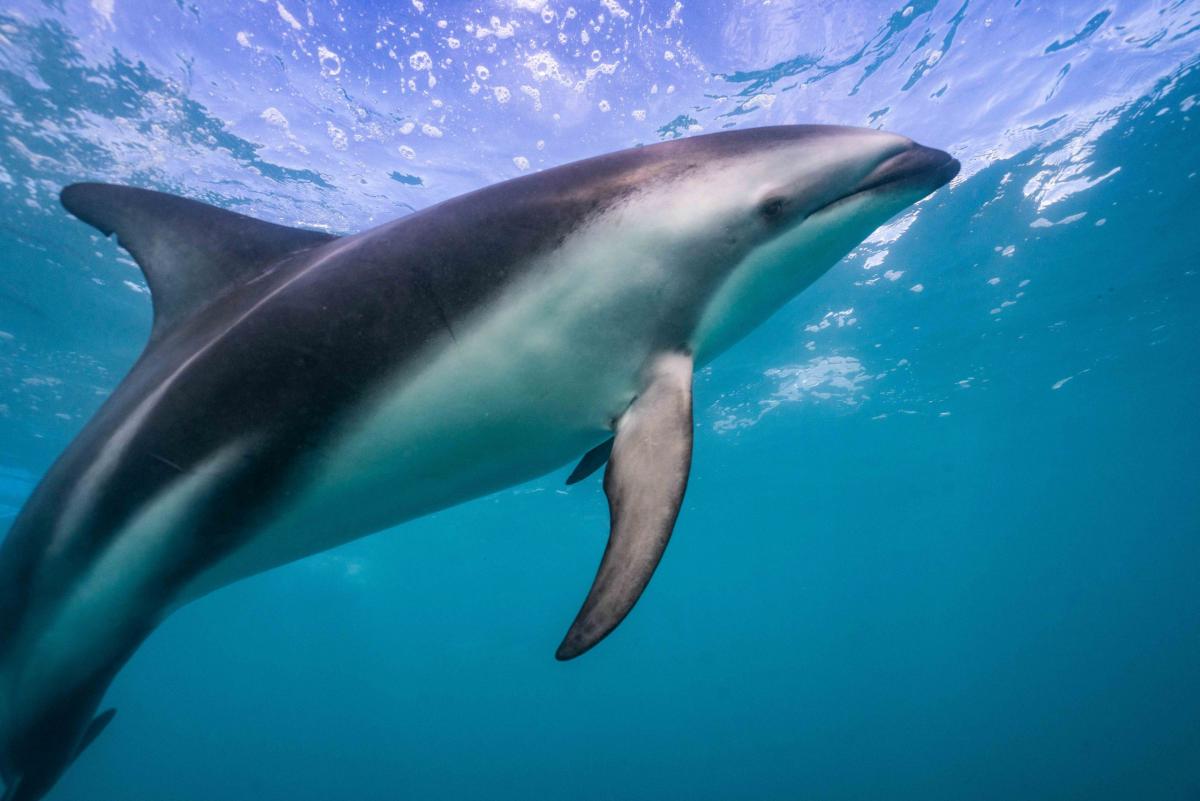
She said commercial fishing was endangering Hector’s dolphins, seabirds, fur seals and corals.
‘‘You’ve got the direct impacts of fishing, things that are caught in the process that aren’t the target, and then you’ve got the impacts of commercial fishing taking so much fish out of the water that creatures like fur seals are unable to feed themselves.
‘‘It is abhorrent.’’
Department of Conservation (DOC) marine species manager Malene Felsing said regional coastal plans are important tools for managing the coastal and marine environment, and DOC would be happy to help with any review process.
DOC has created a management plan to reduce the threats to Hector’s and Māui dolphins.
Fisheries New Zealand fisheries management director Emma Taylor said marine mammals and seabirds were ‘‘precious taonga to New Zealand’’.
The agency worked closely with local councils, DOC, the fishing industry, iwi, and local communities to look after the country’s coastlines.
The South Island Hector’s Dolphin Bycatch Reduction Plan has been developed and outlines regulatory and voluntary measures designed to reduce the Hectors’ dolphin bycatch towards zero.
Measures include restrictions on fishing, with about 17,650sqkm of South Island coastline closed to set netting.
About 6988sqkm of trawl measures are also in place, Taylor said.
‘‘This includes the Canterbury coastline, which has a set-netting ban out to at least four nautical miles, and up to 19 nautical miles at Pegasus Bay.’’
Robinson’s motion called for the ban to be extended to six nautical miles, or just over 11km from the coastline.
■ LDR is local body journalism co-funded by RNZ and NZ On Air.


Some Choice News!
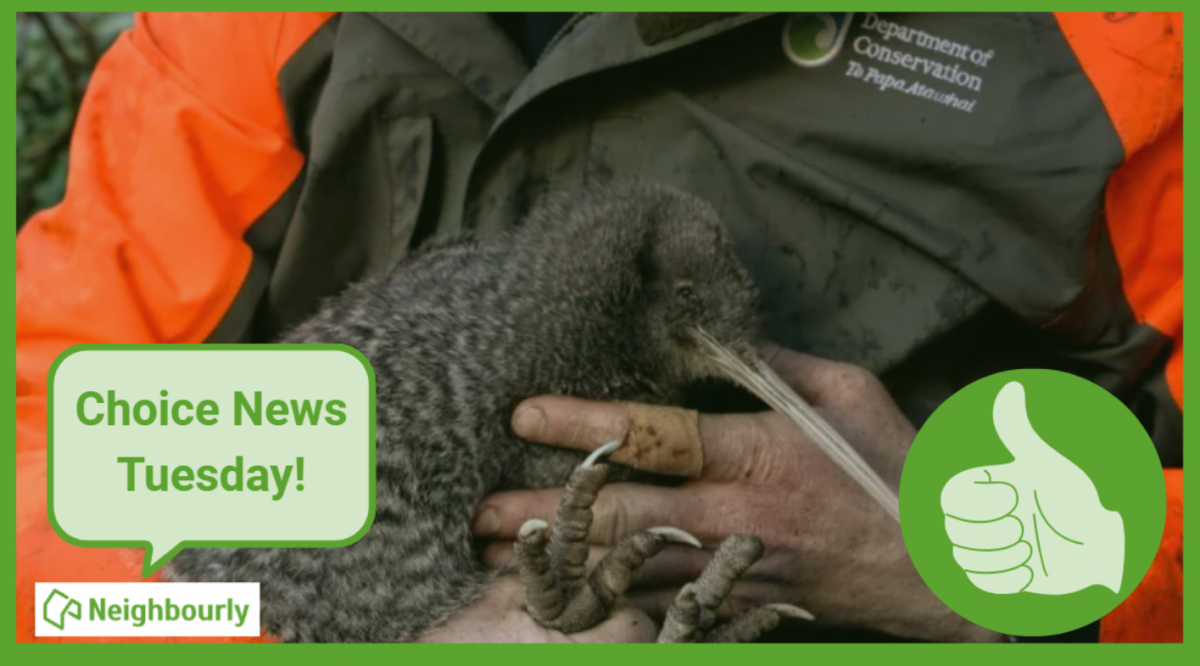
DOC is rolling out a new tool to help figure out what to tackle first when it comes to protecting our threatened species and the things putting them at risk.
Why does this matter? As Nikki Macdonald from The Post points out, we’re a country with around 4,400 threatened species. With limited time and funding, conservation has always meant making tough calls about what gets attention first.
For the first time, DOC has put real numbers around what it would take to do everything needed to properly safeguard our unique natural environment. The new BioInvest tool shows the scale of the challenge: 310,177 actions across 28,007 sites.
Now that we can see the full picture, it brings the big question into focus: how much do we, as Kiwis, truly value protecting nature — and what are we prepared to invest to make it happen?
We hope this brings a smile!

Have you got New Zealand's best shed? Show us and win!
Once again, Resene and NZ Gardener are on the hunt for New Zealand’s best shed! Send in the photos and the stories behind your man caves, she sheds, clever upcycled spaces, potty potting sheds and colourful chicken coops. The Resene Shed of the Year 2026 winner receives $1000 Resene ColorShop voucher, a $908 large Vegepod Starter Pack and a one-year subscription to NZ Gardener. To enter, tell us in writing (no more than 500 words) why your garden shed is New Zealand’s best, and send up to five high-quality photos by email to mailbox@nzgardener.co.nz. Entries close February 23, 2026.
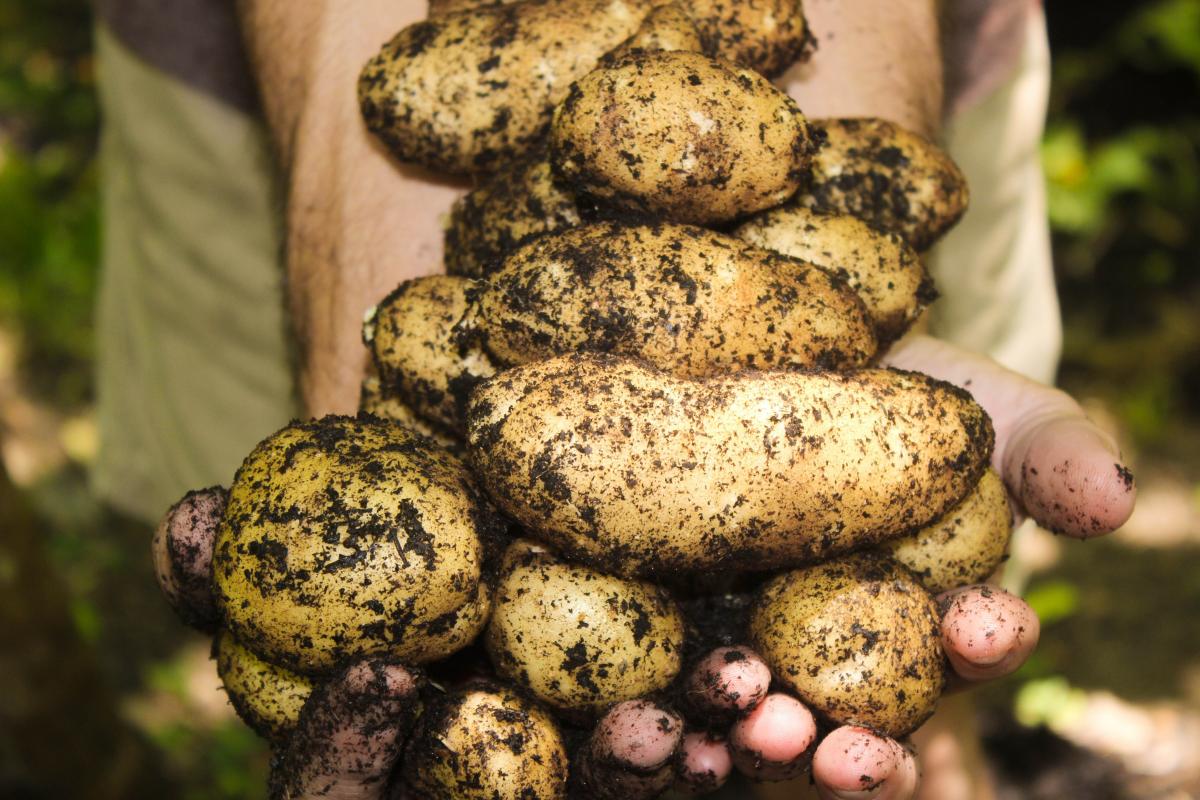
Share your favourite main crop potato recipe and win a copy of our mag!
Love potatoes? We will give away free copies of the May 2026 issue to readers whose potato recipes are used in our magazine. To be in the running, make sure you email your family's favourite way to enjoy potatoes: mailbox@nzgardener.co.nz, by March 1, 2026.
 Loading…