






Council questions ‘impossible’ drinking water standards
By David Hill, Local Democracy Reporter
Chlorine exemption applications have been withdrawn by the Waimakariri District Council due to ‘‘impossible’’ drinking water standards.
Mayor Dan Gordon said he has raised concerns with Local Government Minister Simeon Brown about the Water Services Act’s drinking water standards, which are imposed by national regulator Taumata Arowai.
‘‘In my conversation with the new minister I raised that it is almost impossible to achieve an exemption under the new standards, so maybe it is something that needs to reviewed,’’ he said at a council meeting on Wednesday.
The council voted to withdraw its applications for chlorine exemptions for the Rangiora, Kaiapoi, Oxford urban and Waikuku Beach drinking water supplies for now, and to write to Brown asking him to reconsider the standards.
An application for the Cust water supply was declined last year, while the Woodend-Pegasus exemption application is still being considered.
Three Waters manager Kalley Simpson said the council would have a better idea of what was needed to achieve chlorine exemptions once it had received feedback from the Woodend-Pegasus application.
‘‘We believe our applications in their current form would be declined, based on the Cust decision, so we need to withdraw and look to resubmit when we have done the necessary work.’’
He said initial estimates suggested it would cost up to $100 million to bring the six urban supplies up to an acceptable standard to receive a chlorine exemption.
The Rakaia Huts drinking water supply in the Selwyn district has received a chlorine exemption for five years, with conditions, Simpson said.
The council opted to chlorinate all of its drinking water supplies last year, after the Cust application was declined.
But Gordon said the council had not given up.
The Waimakariri district was one of the last to chlorinate its water supplies and the had long believed it had ‘‘gold standard’’ drinking water, which was fed to deep underground aquifers, Gordon said.
‘‘We have pushed back as strongly as we could and it is clear we are going to have to do more work to comply, but we are not giving up.’’
‘‘I don’t like the position we are in, but we are obligated to follow the law.
‘‘In order to achieve exemptions, the bar is incredibly high, so we need the new Government to consider whether that is acceptable.’’
Health experts recommend chlorine to kill harmful natural organisms that can grow in water, such as bacteria, viruses and parasites, and to make it safe to drink.
World Health Organisation studies show the small amount of chlorine needed to treat drinking water is safe for people.
Chlorine added when the water leaves the treatment plant continues to protect the drinking water by killing bacteria that enters the system, Taumata Arowai says on its website.
■ LDR is local body journalism co-funded by RNZ and NZ On Air.

Some Choice News!
DOC is rolling out a new tool to help figure out what to tackle first when it comes to protecting our threatened species and the things putting them at risk.
Why does this matter? As Nikki Macdonald from The Post points out, we’re a country with around 4,400 threatened species. With limited time and funding, conservation has always meant making tough calls about what gets attention first.
For the first time, DOC has put real numbers around what it would take to do everything needed to properly safeguard our unique natural environment. The new BioInvest tool shows the scale of the challenge: 310,177 actions across 28,007 sites.
Now that we can see the full picture, it brings the big question into focus: how much do we, as Kiwis, truly value protecting nature — and what are we prepared to invest to make it happen?
We hope this brings a smile!


Have you got New Zealand's best shed? Show us and win!
Once again, Resene and NZ Gardener are on the hunt for New Zealand’s best shed! Send in the photos and the stories behind your man caves, she sheds, clever upcycled spaces, potty potting sheds and colourful chicken coops. The Resene Shed of the Year 2026 winner receives $1000 Resene ColorShop voucher, a $908 large Vegepod Starter Pack and a one-year subscription to NZ Gardener. To enter, tell us in writing (no more than 500 words) why your garden shed is New Zealand’s best, and send up to five high-quality photos by email to mailbox@nzgardener.co.nz. Entries close February 23, 2026.

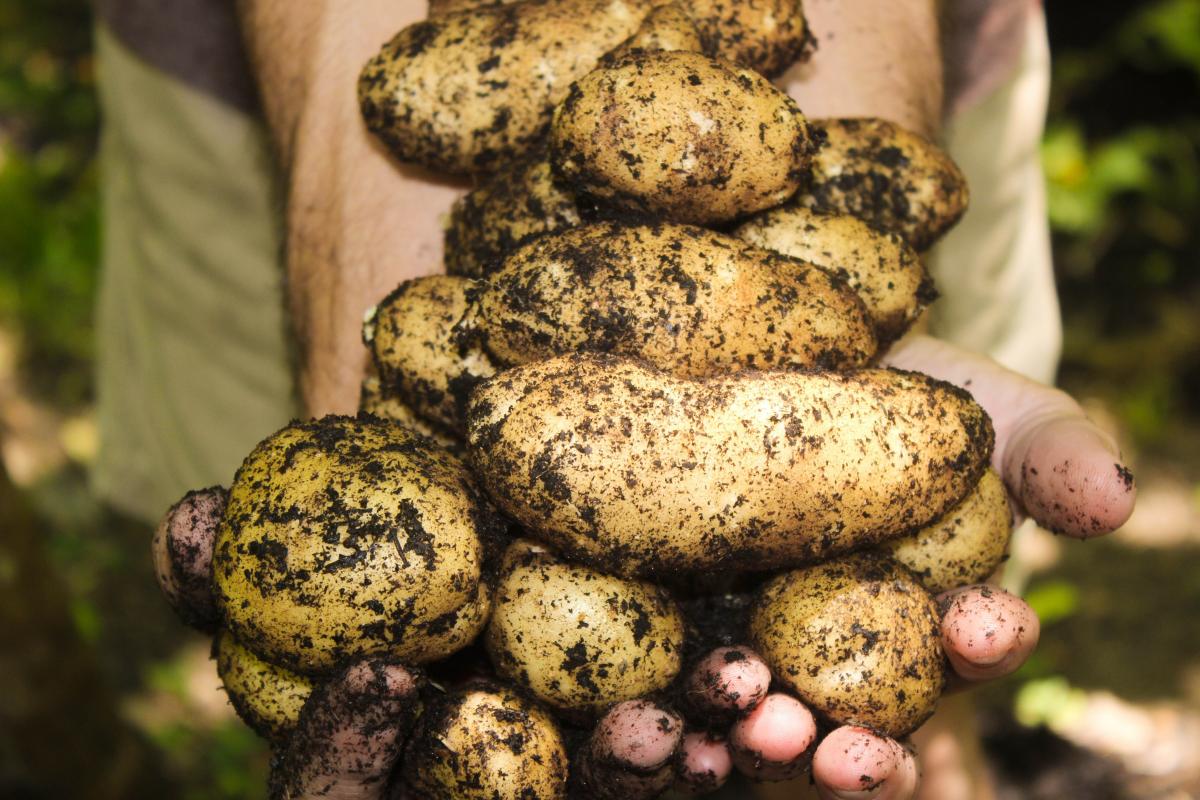
Share your favourite main crop potato recipe and win a copy of our mag!
Love potatoes? We will give away free copies of the May 2026 issue to readers whose potato recipes are used in our magazine. To be in the running, make sure you email your family's favourite way to enjoy potatoes: mailbox@nzgardener.co.nz, by March 1, 2026.
 Loading…