






Mahinga kai project progressing in Kaiapoi
By David Hill, Local Democracy Reporter
A mahinga kai project in Kaiapoi has been labelled as an "outstanding" community initiative. Mahinga kai is traditional Māori food gathering as well as activities that surround that.
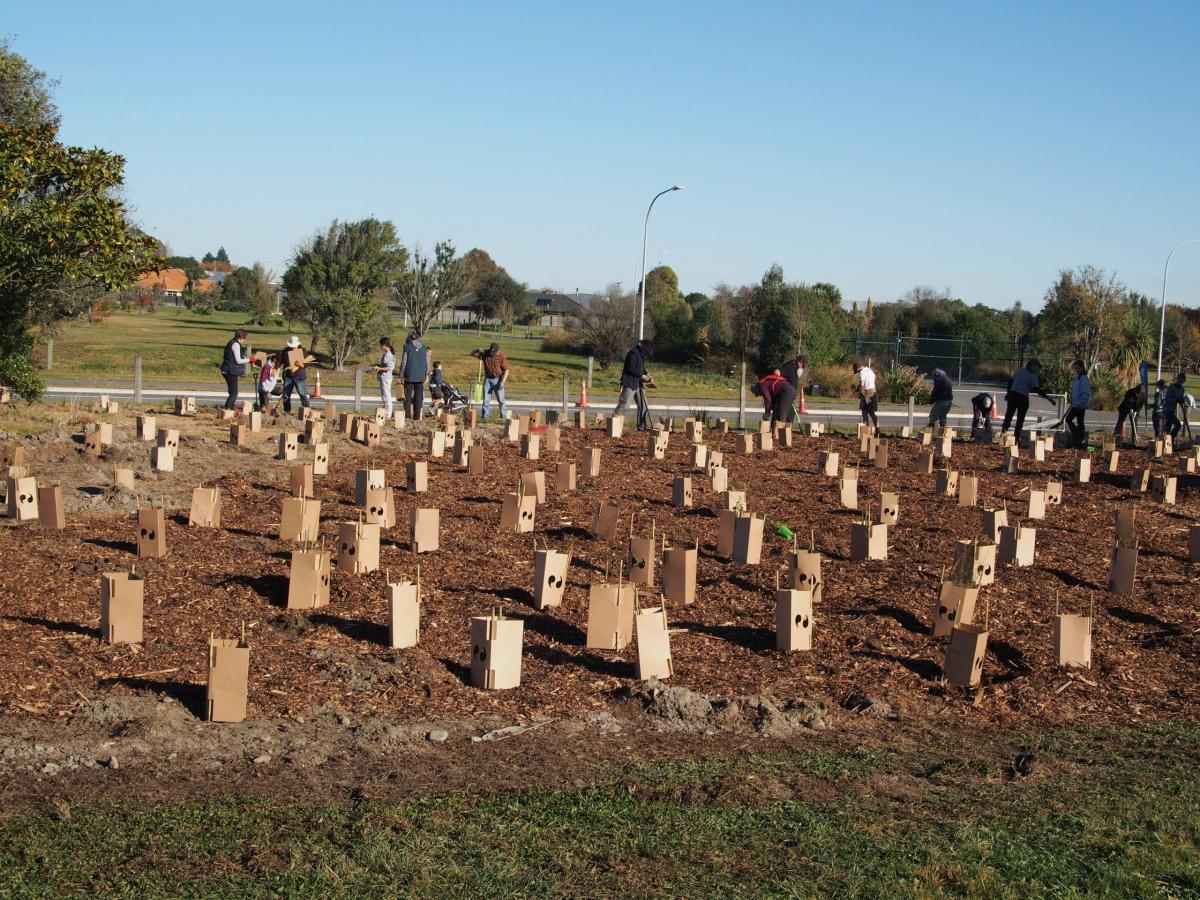
Waimakariri deputy mayor Neville Atkinson says the Huria Reserve heritage and mahinga kai area, to the south of Kaiapoi River, was an important part of the town’s regeneration after the 2010 and 2011 earthquakes.
"This is an outstanding project and it has come out at the right cost all the way through," he said.
"It is a very important part of Kaiapoi’s regeneration and it needs to be completed."
The project is a collaboration between the Waimakariri District Council and Te Rūnanga o Ngāi Tūāhuriri, and came out of the Kaiapoi residential red zone regeneration plan developed after the earthquakes.
The council has completed physical implementation works over the last two years and has now entered into a formal agreement with Te Kōhaka o Tūhaitara Trust, which will manage the $1.8 million project.
The trust is a partnership between the council, the Rūnanga and the wider community to manage the district's coastal park.
Funding of $390,000 will now be transferred to the trust, from the 2023-24 annual plan.
It was approved at last week’s council meeting, despite a proposal from councillor Paul Williams to defer it due to the economic situation.
He said the trust should be looking for outside funding, like the Honda Forest, which has been developed to the north of Kaiapoi River.
Community and recreation general manager Chris Brown said the council had consulted extensively with the community as part of the regeneration plan and the Long Term Plan process.
"We said to the community we would deliver this project and we intend to deliver it."
Councillor Al Blackie, who is also a Te Kōhaka o Tūhaitara Trust trustee, said the trust intended to seek commercial support and planned to engage with schools and community organisations.
Mayor Dan Gordon said he was pleased to see the project come to fruition.
"The trust will continue to develop this space, which will celebrate traditional Māori customs and promote learning and recreation activity."
Gordon said the council had completed several regeneration projects over the last six years, including sports fields, a BMX track, a dog park, and had redeveloped the marine precinct and the river banks.
A community hub, bringing together organisations such as Satisfy Food Rescue and the Kaiapoi Menz Shed, was also being developed across the road from Huria Reserve.
■ Public interest journalism funded through New Zealand on Air.

🧩😏 Riddle me this, Neighbours…
I am an odd number. Take away a letter and I become even. What number am I?
Do you think you know the answer?
Want to stop seeing these in your newsfeed? No worries! Simply head here and click once on the Following button.


Poll: 🤖 What skills do you think give a CV the ultimate edge in a robot-filled workplace?
The Reserve Bank has shared some pretty blunt advice: there’s no such thing as a “safe” job anymore 🛟😑
Robots are stepping into repetitive roles in factories, plants and warehouses. AI is taking care of the admin tasks that once filled many mid-level office jobs.
We want to know: As the world evolves, what skills do you think give a CV the ultimate edge in a robot-filled workplace?
Want to read more? The Press has you covered!

-
53% Human-centred experience and communication
-
14.6% Critical thinking
-
29.6% Resilience and adaptability
-
2.7% Other - I will share below!

Some Choice News!
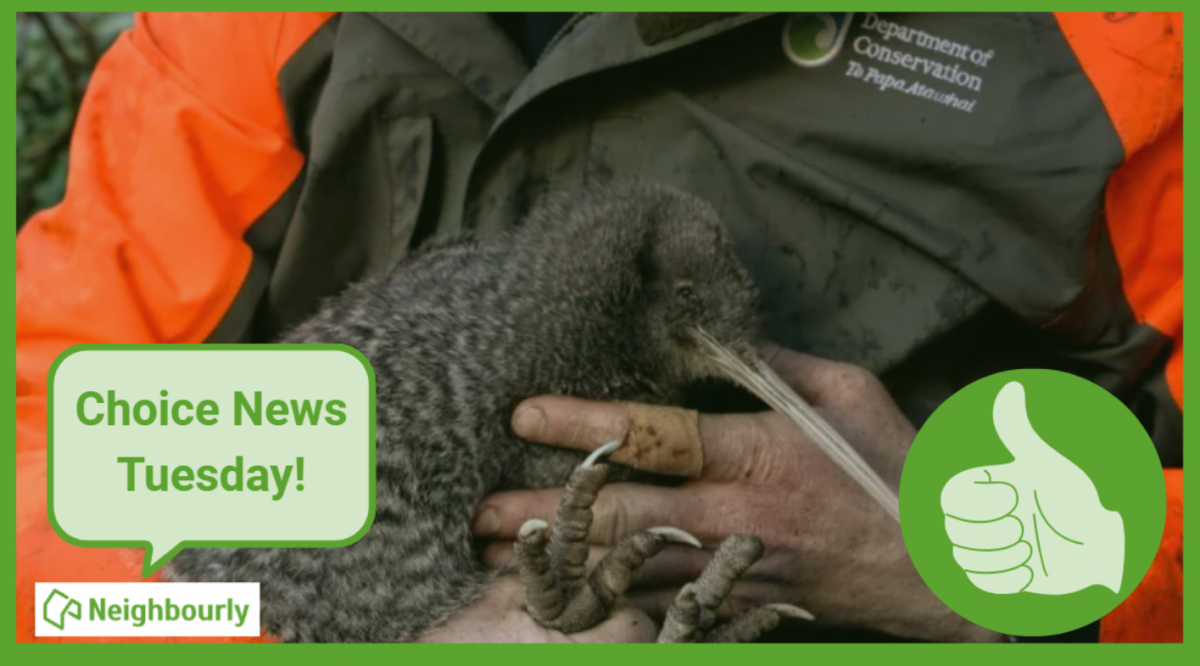
DOC is rolling out a new tool to help figure out what to tackle first when it comes to protecting our threatened species and the things putting them at risk.
Why does this matter? As Nikki Macdonald from The Post points out, we’re a country with around 4,400 threatened species. With limited time and funding, conservation has always meant making tough calls about what gets attention first.
For the first time, DOC has put real numbers around what it would take to do everything needed to properly safeguard our unique natural environment. The new BioInvest tool shows the scale of the challenge: 310,177 actions across 28,007 sites.
Now that we can see the full picture, it brings the big question into focus: how much do we, as Kiwis, truly value protecting nature — and what are we prepared to invest to make it happen?
We hope this brings a smile!
 Loading…