





Dark sky initiative gaining momentum
By David Hill, Local Democracy Reporter
Plans to protect Oxford’s night sky are gaining momentum.
The Oxford Area School Observatory has met with local stakeholders and now plans to submit an application for dark sky park status with the International Dark-Sky Association.
The ultimate goal was to become a dark sky reserve, volunteer Raul Elias-Drago said.
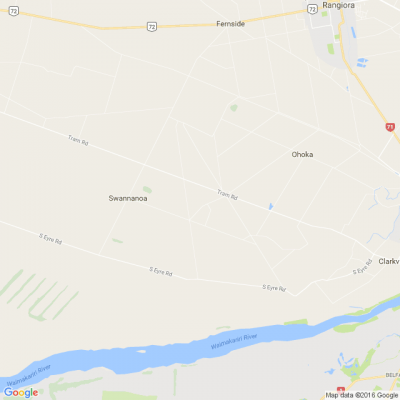
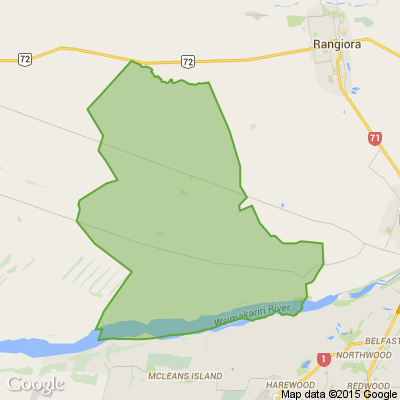
He said gaining dark sky park status for the 11,350-hectare Oxford Forest Conservation Area was a good first step.
"There’s no power, no light fittings, so it is very easy to gain accreditation and the Department of Conservation is supportive.
"We can use that to generate momentum and then continue the conversation with the council and local businesses, generate some funds and come back to addressing the lighting in the township."
A dark sky reserve would include the conservation area as the core and the township as the periphery.
Oxford-Ohoka Community Board chairperson Thomas Robson said the board was supportive of the project.
"It is something that has been talked about for a while and there has always been a desire to do it and hopefully it will bring people to the town.
"The observatory is such a great facility and the more well-known it becomes, the more volunteers and support it will generate."
Robson said there would be some challenges in getting a dark sky reserve application together, but he believed the initiative would have broad community support.
"The majority of us moved to Oxford to enjoy the rural lifestyle and part of that is the night sky.
"In the long term it will be a good thing for the community and it is nice to have proposals like this coming to the board which are good news stories."
Elias-Drago gave a presentation to the community board last week before meeting with stakeholders in the Oxford Town Hall.
Stakeholders included local businesses, sports clubs, schools, Oxford Gallery, the Oxford A&P Association, the Department of Conservation, Waimakariri District Council staff and Enterprise North Canterbury (ENC).
"It was a full house and we also had members of the Royal Astronomical Society of New Zealand and the International Dark-Sky Association zoom in, in support."
Elias-Drago said there were questions around lighting.
He said good lighting policies could reduce light pollution, improve melatonin levels in humans and improve animal welfare.
"It is not about living in the dark. I want people to have a better life. It is about better living through better lighting."
A study commissioned by ENC suggested a dark sky reserve could generate $5.4 million in additional spending in the town and create up to 24 jobs.

🧩😏 Riddle me this, Neighbours…
I am an odd number. Take away a letter and I become even. What number am I?
Do you think you know the answer?
Want to stop seeing these in your newsfeed? No worries! Simply head here and click once on the Following button.


Poll: 🤖 What skills do you think give a CV the ultimate edge in a robot-filled workplace?
The Reserve Bank has shared some pretty blunt advice: there’s no such thing as a “safe” job anymore 🛟😑
Robots are stepping into repetitive roles in factories, plants and warehouses. AI is taking care of the admin tasks that once filled many mid-level office jobs.
We want to know: As the world evolves, what skills do you think give a CV the ultimate edge in a robot-filled workplace?
Want to read more? The Press has you covered!

-
53% Human-centred experience and communication
-
14.6% Critical thinking
-
29.6% Resilience and adaptability
-
2.7% Other - I will share below!

Some Choice News!
DOC is rolling out a new tool to help figure out what to tackle first when it comes to protecting our threatened species and the things putting them at risk.
Why does this matter? As Nikki Macdonald from The Post points out, we’re a country with around 4,400 threatened species. With limited time and funding, conservation has always meant making tough calls about what gets attention first.
For the first time, DOC has put real numbers around what it would take to do everything needed to properly safeguard our unique natural environment. The new BioInvest tool shows the scale of the challenge: 310,177 actions across 28,007 sites.
Now that we can see the full picture, it brings the big question into focus: how much do we, as Kiwis, truly value protecting nature — and what are we prepared to invest to make it happen?
We hope this brings a smile!

 Loading…