







Rangiora High School looks to 1986 for inspiration
By David Hill, local democracy reporter
"It’s back to 1986" at Rangiora High School, but a new enhanced version.
That’s the assessment of principal Bruce Kearney following a comprehensive curriculum review, which will lead to sweeping changes to the school’s teaching and learning, pastoral care, and a revamp of the Rakahuri building.
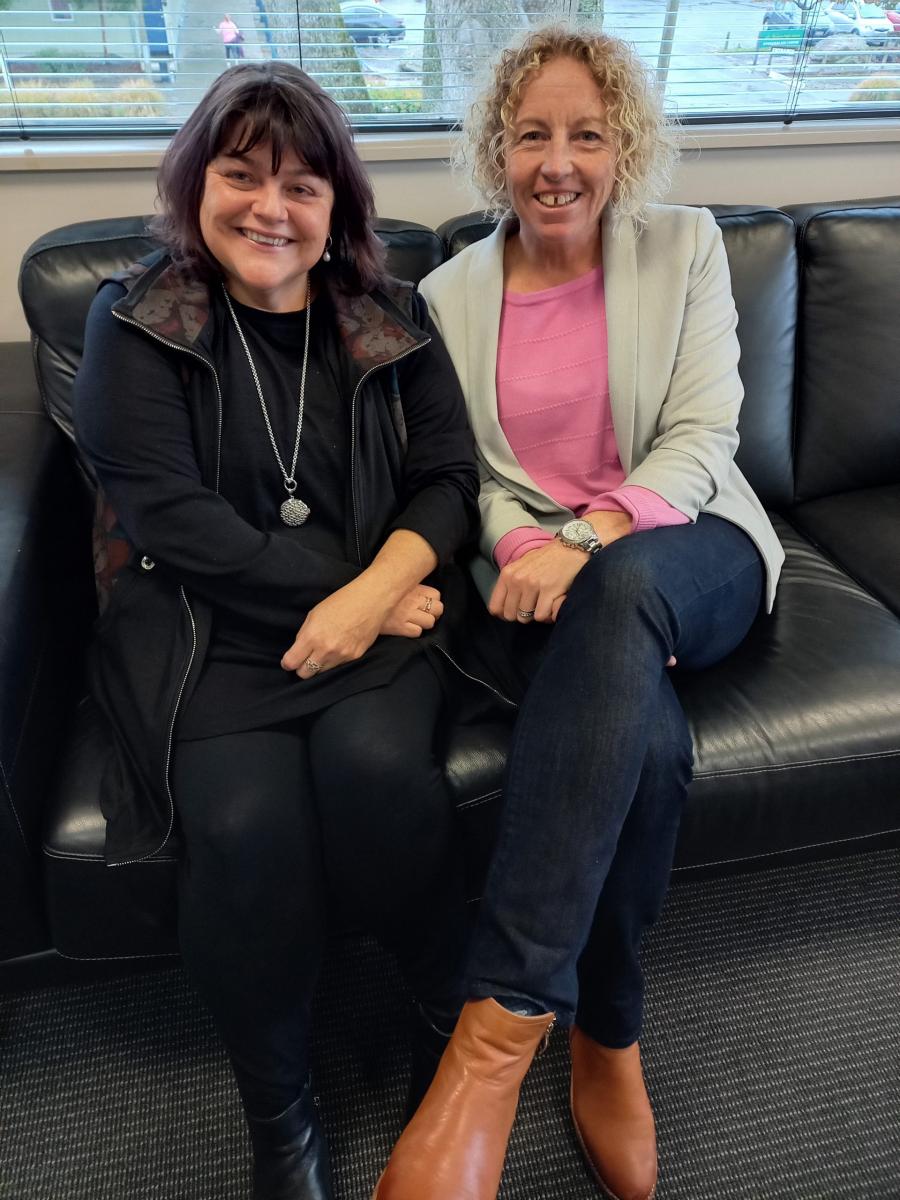
Kearney tasked deputy principals Paula McDonald and Haidee Tiffen with the task of conducting the review in term one.
The pair worked with education consultants ImpactED to conduct an online survey and interviews with students, staff and whanau, with more than 1000 students responding from a school roll of 1700.
"It’s not a step back in time to 1986, but it is something parents can understand," Tiffen said.
"We are trying to simplify it, but we’re not letting go of all the good stuff," McDonald added.
She said the students would be "at the heart of everything", with a new philosophy of "know me, guide me" under-pinning the new curriculum.
"It is about getting to know our learners and guiding our learners.
"The number one thing parents said was they wanted the students to be going to school happy and having lots of choice (in their subjects)."
Tiffen said having strong connections between students and teachers also came through strongly.
Once the survey was completed, staff were invited to test the review findings, with 23 staff volunteering to explore what changes were possible.
The biggest change will be installing internal walls in the open plan Rakahuri building, which is thought to be the largest classroom in the South Island.
The proposed layout will be essentially the same, but with learning spaces turned into single cell classrooms and the potential for the library to be incorporated.
The project is out for tender and the school will be seeking funding from the Ministry of Education to make it happen.
Tiffen said students had found it distracting being in an environment where multiple classes were operating in one big space.
"Our neuro-diverse learners were finding it particularly challenging.
"They still want those spaces, but with more closed off spaces to improve their learning."
From next year junior students will return to spending more time with specialist subjects teachers, instead of the co-operative teaching across subjects employed in recent years.
Senior school courses will return to full year, rather than semester (half-year) courses.
"It is all about those relationships with learners," Tiffen said.
"You can’t get to know our learners well enough in half a year."
She said the focus would be on the teaching and learning rather than assessment, with the assessment built in.
The Wānanga (form class) structure will change, with students spending less time "with a trusted adult for whanaungatanga (building relationships)" from next year.
Literacy and numeracy would also be a big focus.

🧩😏 Riddle me this, Neighbours…
I am an odd number. Take away a letter and I become even. What number am I?
Do you think you know the answer?
Want to stop seeing these in your newsfeed? No worries! Simply head here and click once on the Following button.


Share your favourite main crop potato recipe and win a copy of our mag!
Love potatoes? We will give away free copies of the May 2026 issue to readers whose potato recipes are used in our magazine. To be in the running, make sure you email your family's favourite way to enjoy potatoes: mailbox@nzgardener.co.nz, by March 1, 2026.

Poll: 🤖 What skills do you think give a CV the ultimate edge in a robot-filled workplace?
The Reserve Bank has shared some pretty blunt advice: there’s no such thing as a “safe” job anymore 🛟😑
Robots are stepping into repetitive roles in factories, plants and warehouses. AI is taking care of the admin tasks that once filled many mid-level office jobs.
We want to know: As the world evolves, what skills do you think give a CV the ultimate edge in a robot-filled workplace?
Want to read more? The Press has you covered!

-
53% Human-centred experience and communication
-
14.5% Critical thinking
-
29.8% Resilience and adaptability
-
2.7% Other - I will share below!
 Loading…