






Unravelling textile testing - Colourfastness
Unravelling textile testing - Colourfastness
Colourfastness is one of four key topics (others include Abrasion Resistance, Pilling, Seam Slippage) that we are covering to provide some background as to how we test and why.
Test results provide us with critical information about textile’s durability and suitability for certain applications. We externally test all James Dunlop and Mokum textiles in Melbourne at a highly reputable laboratory who are amongst the most conservative and stringent in the world, due to the extremely harsh environmental conditions we face here in Australia and New Zealand.
We have gathered a number of frequently asked questions relating to colourfastness so we asked our Mokum studio designers Stephanie Moffitt and Annie Moir to share their expert knowledge.
One of the most important textile tests is that of colourfastness.
Simply put, a colourfastness test measures how well a textile will resist or withstand fading. Fading typically means a change in colour which may be a change in hue, depth or brightness of colour. We perform a range of different colourfastness tests when developing a new textile, we test its resistance to fading against UV light, as well as washing / dry cleaning and also rubbing.
Can you briefly outline the colourfastness to washing/ laundering test?
Colourfastness to washing and/or dry cleaning measures a fabrics ability to withstand fading or colour loss from laundering. The test replicates specific cleaning methods then measures any colour loss against a set of five grey scales, creating a result (1 being least colourfast and 5 being most colourfast). In this instance, a result of 4-5 is the result we strive for.
One question pops up a lot, if a product is machine washable can it be spot cleaned?
We would always approach spot cleaning with water or a cleaning product with caution. Most of our washable textiles are rating as delicate or gentle washing which means a delicate setting and we would prefer a delicate washing liquid. Whereas spot clean tends to be more localised and more aggressive. If spot clean is needed always first try a dry white clean cloth, to reduce any colour loss as this often can remove a stain.
Can you briefly outline the colourfastness to rubbing test?
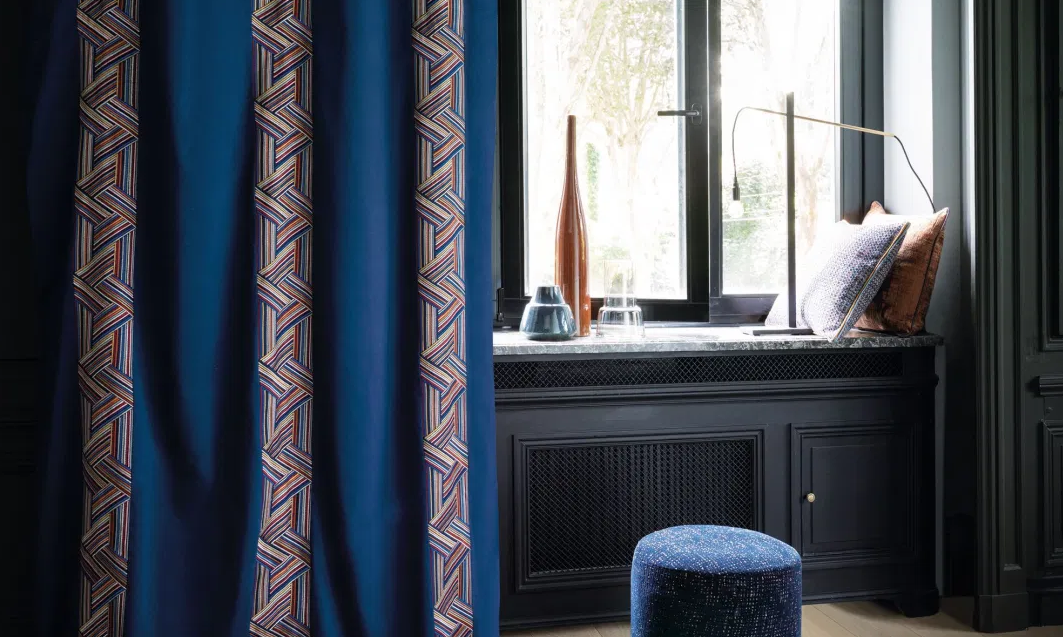
Colourfastness to rubbing, or commonly known as ‘crocking’ measures fabric resistance to colour loss when subjected to rubbing or friction from another fabric. This is particularly relevant for upholstery textiles – you can imagine wearing white pants and sitting on a dark coloured sofa, you’d want to be confident that when you stand up your pants haven’t changed colour.
With this test, a white cloth is used as a standard abradant, and rubbed against the test fabric in both in both dry and wet conditions, with wet being more severe. Any colour transfer onto the white cloth, and colour loss from the test fabric is analysed and measured against a set of 5 grey scales (1 being least colourfast and 5 being most colourfast). The result we receive from the lab helps us to determine the recommended usage for the upholstery fabric.

A Neighbourly Riddle! Don’t Overthink It… Or Do?😜
Do you think you know the answer? Simply 'Like' this post if you know the answer and the big reveal will be posted in the comments at 2pm on the day!
If you multiply this number by any other number, the answer will always be the same. What number is this?


Assistant Chef
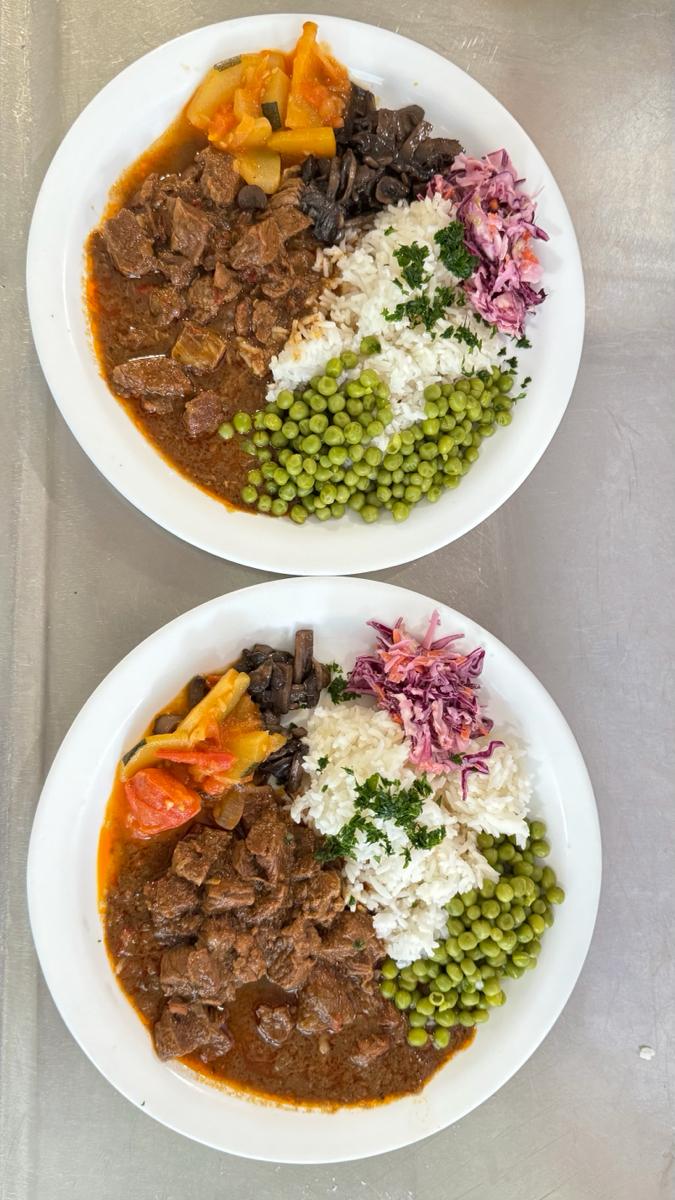
Lara Lodge Care Home has an opportunity for an experienced Chef to join our established kitchen Team.
This role is for someone who can already cook confidently — someone who understands flavour, texture, nutrition, and consistency, and who takes pride in serving good food to others.
We are looking for a skilled, capable cook who enjoys working as part of a team and wants to make a real difference in aged care.
Training and full support will be given.
About us
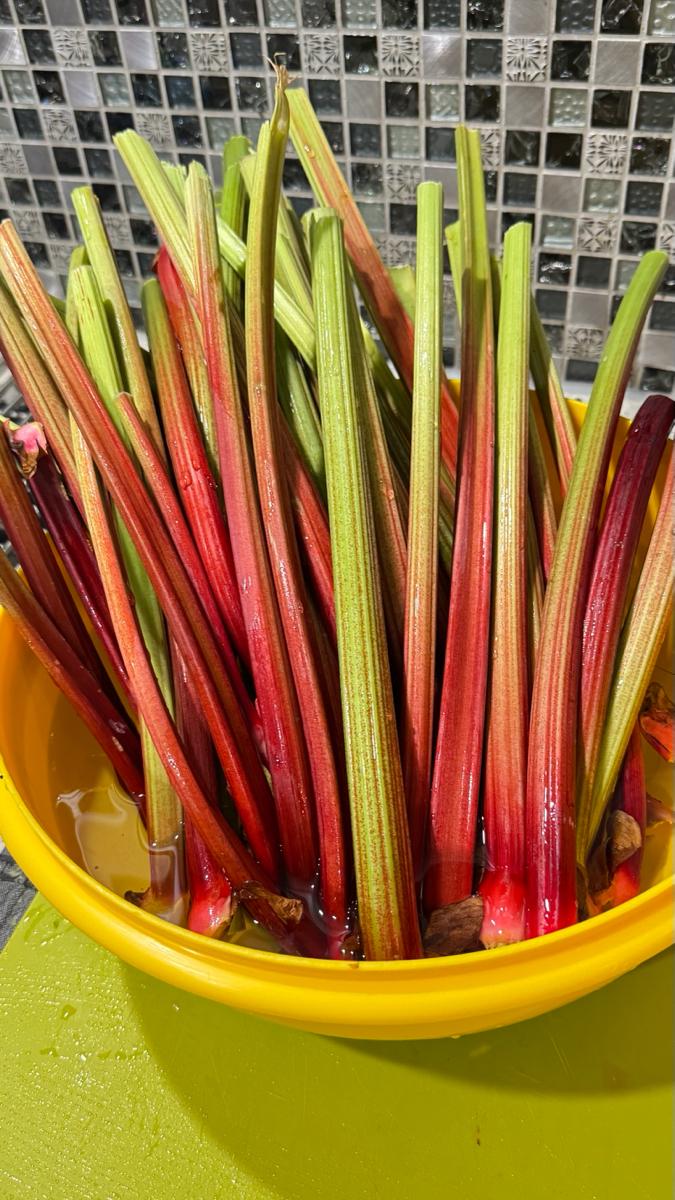
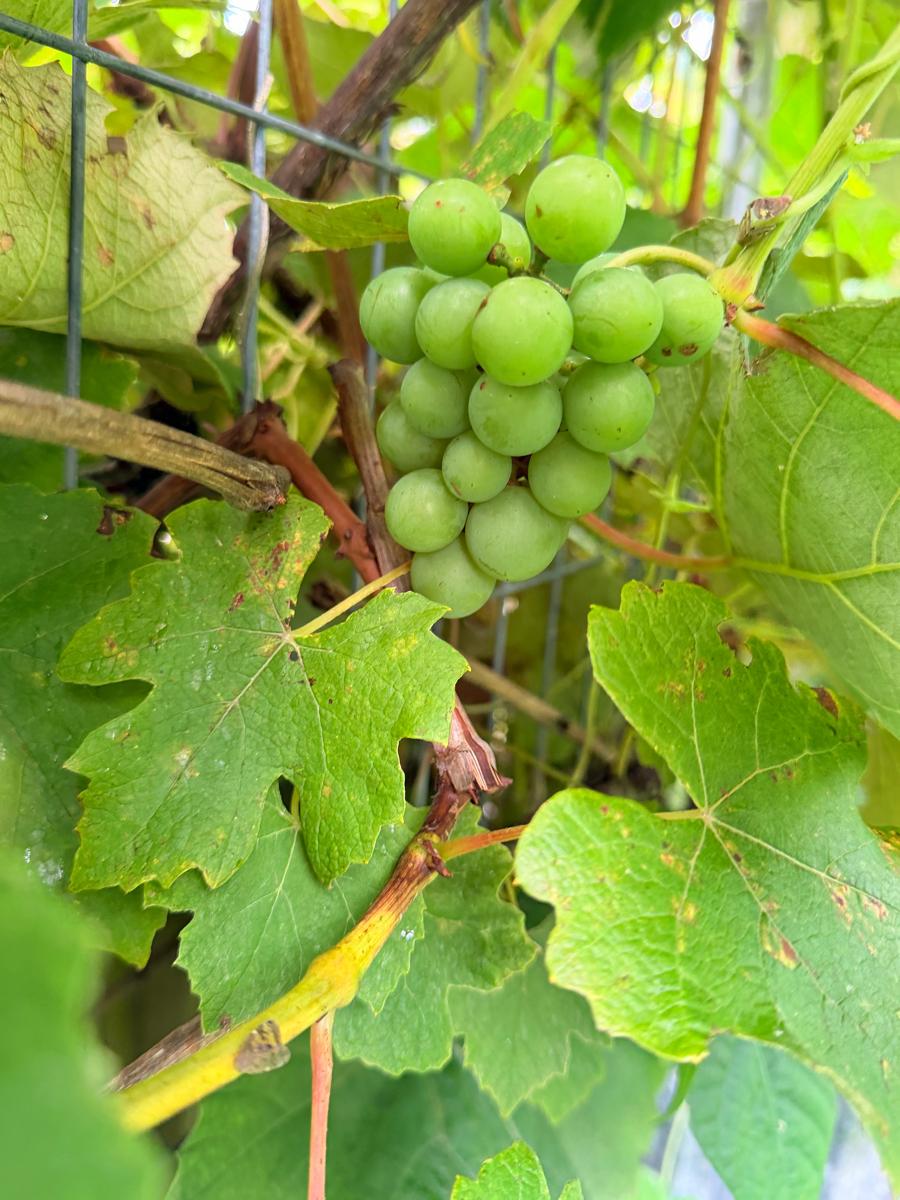
We grow much of our own food and source local produce wherever possible. Our focus is on nutritious, well-prepared meals, made with care and respect for our residents.
We are looking for someone who:
• Has proven kitchen or catering experience
• Can cook independently and reliably
• Holds a relevant qualification
• Understands food safety and dietary needs
• Is a team player with a willingness to serve others
• Has references (an advantage)
The role
• Full-time work for the right applicant
• Supportive, experienced kitchen team
• Meaningful work in a care-focused environment
If you are an experienced Chef who values good food, teamwork, and purpose in your work, we would love to hear from you.
📩 Please get in touch with a brief background and references.
Email : teresa@laralodge.org
or drop off your CV at 4 Pegasus Drive
Look forward to meet you
Walter


Poll: As a customer, what do you think about automation?
The Press investigates the growing reliance on your unpaid labour.
Automation (or the “unpaid shift”) is often described as efficient ... but it tends to benefit employers more than consumers.
We want to know: What do you think about automation?
Are you for, or against?
-
9.5% For. Self-service is less frustrating and convenient.
-
43.5% I want to be able to choose.
-
47.1% Against. I want to deal with people.
 Loading…