







What Are the Basic Styles of Fabric for Curtains & Upholstery?
There are five different styles/category of fabric that form the foundation for the vast array of curtain and upholstery fabrics you see on the market today. Each fabric style outlined below has its own unique characteristics and are produced using different techniques. Some of these fabric types will be well known to you like plain and printed fabrics, while others less so.
You may be wondering why cotton and linen for example are not included here – this is because they are a type of composition that falls within one of these categories below.
Here we give you a high-level overview of the styles of fabrics available to you for your home interior or commercial interior project.
PLAIN: Plain fabrics are characterised by simple weaves and textures not showing any complex design.
Simple weaves are for instance – hopsacks, twills, herringbones and satins. Common fabric compositions used for plain fabrics include natural fibres (cotton, linen) as well as synthetic fibres (polyester, acrylic, etc.)
Plain interior fabrics take on a simple and paired back aesthetic. Ideal for a minimalist décor, you can complement plain fabrics with more textured and tactile textiles for added interest to your home décor.
PRINTED: Printing is the process of applying coloured designs and patterns to a woven textile. One or more colours are applied to the fabric in specific parts only, using thickened dyes to prevent the colour from spreading beyond the limits of the pattern or design. In quality printed fabrics, the colour is bonded with the fibre so as to resist loss of dye from washing and friction (crocking). Printing is an ancient textile manufacturing technique of which there are five print production methods you can use:
Burn Out Printing: A process which uses chemicals, rather than colour, to burn out or dissolve away one fibre in a fabric. The purpose is to achieve a sheer design on a solid or opaque fabric. The chemicals used during production can make this fabric sensitive to ultraviolet degradation when hung in direct sunlight.
Digital Printing: Rapidly becoming a popular and commercially viable printing method due to its flexibility, precision and consistency. With this new printing technique it is now possible to print any design, even with photographic detail, onto fabric. There are no restrictions in the amount of colour that can be used.
Engraved Roller Printing: The printing method used for the majority of fabrics worldwide. The colours are printed directly onto the fabric. There must be one roller for each colour used in the print. The more colours used, the better the print definition and depth of colour. The number of colours used is printed on the left hand selvedge of a fabric along with the brand.
Keep reading: www.curtainclean.co.nz...


Poll: Should we ditch daylight saving? 🕰️
First introduced in New Zealand in 1927 with the passing of the Summer Time Act, it's what we know as 'Daylight Saving' and this year it ends on the first Sunday in April.
While we do get to sleep in this time around, some people would like to scrap the clock tinkering for good.
And why? Some evidence suggests the time changes are bad for our health as they mess with sleep patterns leading to short-term fatigue and affecting mood. Meanwhile the hour change is frustrating for farmers and a nightmare for getting the littlies to sleep. But what's your take?

-
33.7% Yes - get rid of the clock changes
-
65.2% No, I enjoy it
-
1.1% Other - I'll share below

Poll: How important is the ability to book a doctor’s appointment online?
Hi Neighbours
Here at The Doctors we would love to hear how you prefer to book your doctor’s appointments. With busy schedules, different people find different methods easier.
For some, online booking is very convenient, you can make an appointment anytime without needing to wait on the phone. Others still prefer calling the clinic and speaking to a real person, especially if they have specific questions about their visit.
Your feedback helps us understand what works best for our patients and how we can improve access to care.

-
39.7% I prefer booking online whenever possible
-
20.9% Online booking is helpful but not essential
-
35.8% I prefer calling the clinic
-
3.6% I didn’t know online booking was available
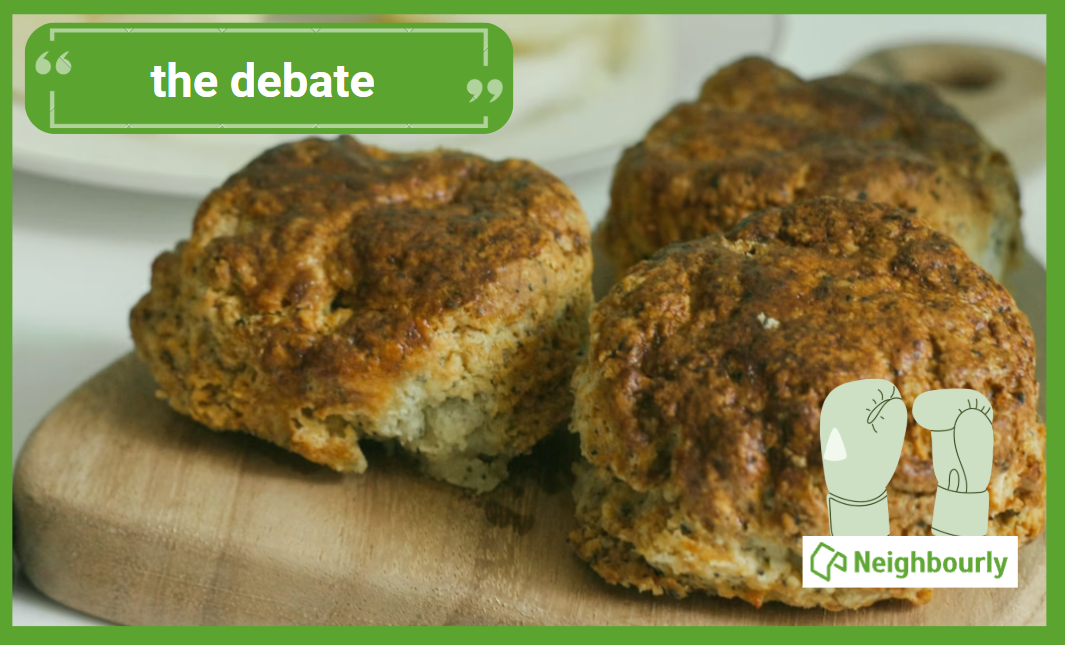
Poll: Does a savoury scone require cheese on top, or folded inside?
Help settle the great kiwi debate ... cheese on top, or folded inside?
-
76.3% Inside!
-
23.7% On top!
 Loading…