






Natural Textile Fibres
Natural, plant-based textile fibres come from seed hair, such as cotton; from foliage, such as sisal; from the stem, such as linen; and some fibres come from shells, such as coconut.
Among the most widely used in the textile industry, important and recognized, we can list the following fibres:
Abaca: Also known as Manila Hemp, abaca comes from leave sheaths around the stem of the plant of abaca, a species of banana. It is a leave fibre valued for its resistance to the damaging effects of salt water, its buoyancy and the length of the fibres, which can be more than 3 meters long. Currently, it is being increasingly used in the manufacturing of garments, household textiles and upholstery thanks to innovations in the process of this fibre. It is certainly still being used to manufacture sailing accessories, in the currency paper industry and automotive sector, and even in the food industry.
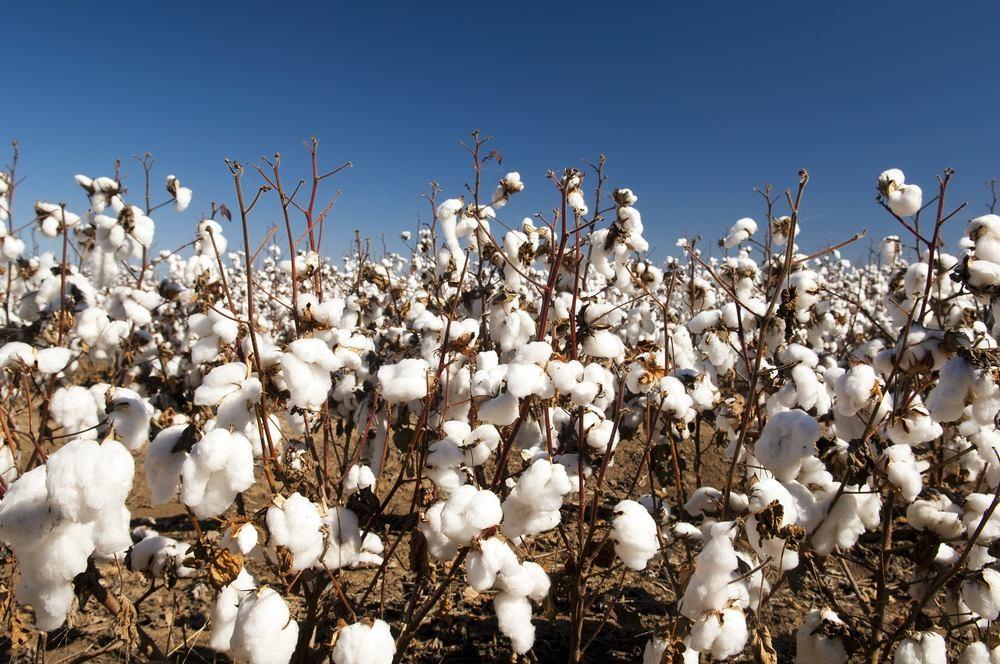
Cotton: Cotton grows in balls around the plant seeds and it is pure cellulose. Cotton is the natural textile fibre most widely used around the world and it is certainly the main protagonist in the global textile industry. There are two exceptional varieties of the highest quality: Egyptian cotton and Peruvian Pima.
It is widely used in the fashion industry, both in flat fabrics and in woven clothing items and household textile products. Cotton is used in combination with other natural and synthetic fibres, such as rayon, polyester, spandex, etc. Cotton fabrics are comfortable, very soft, have good heat conduction and absorbency; these characteristics make it perfect for garments that are in close contact with the skin, both in spring-summer and fall-winter seasons. Cotton tends to shrink; it is prone to wrinkles and fading.
Organic cotton: The biggest bet of sustainability is the use of certified organic cotton. It offers an efficient and sustainable use of natural resources avoiding synthetic or chemical pesticides and genetically modified seeds.
Coir: Coir is a short, hoarse fibre extracted from coconut husk. There are two types of coir: brown fibre, which comes from mature coconuts, and thin, white fibre, which comes from green, immature coconut husks. The white variety of coir fibre is used to manufacture rope and maritime elements because they are resistant to seawater. Brown fibre is employed to produce household textile items and even for the automotive industry. Additionally, geotextiles produced with coir mesh have special characteristics such as resistance to sunlight, great water absorption and they are 100% biodegradable.
Hemp: Hemp fibre is obtained from the stem of the plant. One of the most relevant features of this plant is that it captures large quantities of carbon. With 70% of cellulose, hemp is an excellent heat conductor, it absorbs dyes adequately, it blocks UV rays, it is very resistant to mildew and has natural antibacterial properties.
Recent developments to “cottonize” hemp fibre could open the doors of high-quality fashion market to this fibre. The longest hemp fibres can be woven and knitted to create curly fabrics, similar to linen, used in the textile industry. The mixture of hemp with cotton, linen, silk, and wool give hemp greater softness, while adding strength and durability to the product.
Hemp fibres are also used to manufacture paper and a wide variety of canvasses for different uses. It is also employed in the automotive and construction industries.
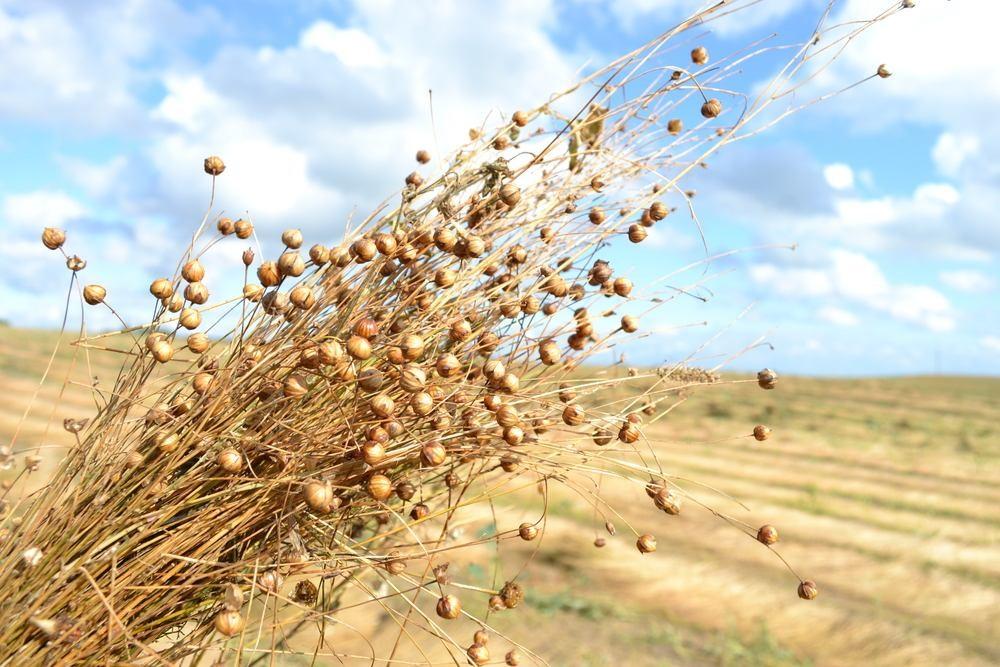
Linen: Linen is one of the strongest plant-based fibres in nature; therefore, it was one of the first to be grown, woven, and knitted to manufacture clothing and accessories. There are different types of linen based on their species. The main types are common flax and perennial flax.
Linen is a fabric with high mechanical resistance and little elasticity; therefore, it wrinkles easily. Its softness increases with washes. As linen quickly absorbs and releases water, and as it is an excellent thermal conductor, the fabric is fresh, highly valued and employed in the production of clothing for warm areas. Linen garments are fresh, comfortable, and they symbolize elegance in summer fashion.
Linen maintains a strong traditional niche among high-quality textiles for household products, beddings, upholstery, and interior design accessories.
Ramie: Ramie fibre is white with gloss similar to silk, and it is one of the strongest natural fibres, close to linen in absorption and density. It has little elasticity and it dyes easily. Ramie fibres have some transverse fissures that make it very fragile, but at the same time promote ventilation. The rugged ramie fibres are used to make ropes and nets. Through threading, they produce thin, very glossy thread that is used for a wide variety of garments.
Fabrics made 100% of ramie are lightweight, silky to the touch but with a linen appearance. Normally, as its elasticity and resistance are quite low, ramie is mixed with other textile fibres or used to improve the characteristics of other textile fibres. For example, ramie is added to wool to reduce shrinking or to cotton to increase strength.
Sisal: Sisal is an excessively hard fibre and inelastic to be used in the fashion industry. It is employed in small proportions and in combination with other fibres for the manufacture of accessories and home decor items. Currently sisal is mainly used in the furniture, automotive and naval industries, always combined with other materials.
Jute: Jute is extracted from the stem of a plant with the same name and it is very easy to grow and harvest. Jute is one of the cheapest fibres to produce. This fibre is also known as “golden fibre” because of its glow. Jute is one of the strongest, plant-based natural fibres, and it is second to cotton in terms of production volume. Jute presents poor absorption, so it deteriorates quickly when exposed to humidity; it has low thermal conduction, but it contains significant insulating and anti-static properties. Jute is used as supplementary material in textile and footwear manufacturing, as well as in household textiles.
Kapoc: It is a white fibre similar to hair that comes from the seeds of a tree called Ceiba Pentandra. Kapok is also known as “silk cotton” because of its gloss that resembles silk. Kapok’s fibre, weak and short, is resistant to moisture and it has a soft, lustrous texture. The largest volume of its production is used for household textiles.
Ramina: Ramina is a ligneous fibre also known as China grass. It is rigid, shiny, and lustrous. Ramina is used for household textiles.

A Neighbourly Riddle! Don’t Overthink It… Or Do?😜
Do you think you know the answer? Simply 'Like' this post if you know the answer and the big reveal will be posted in the comments at 2pm on the day!
If you multiply this number by any other number, the answer will always be the same. What number is this?


Assistant Chef
Lara Lodge Care Home has an opportunity for an experienced Chef to join our established kitchen Team.
This role is for someone who can already cook confidently — someone who understands flavour, texture, nutrition, and consistency, and who takes pride in serving good food to others.
We are looking for a skilled, capable cook who enjoys working as part of a team and wants to make a real difference in aged care.
Training and full support will be given.
About us
We grow much of our own food and source local produce wherever possible. Our focus is on nutritious, well-prepared meals, made with care and respect for our residents.
We are looking for someone who:
• Has proven kitchen or catering experience
• Can cook independently and reliably
• Holds a relevant qualification
• Understands food safety and dietary needs
• Is a team player with a willingness to serve others
• Has references (an advantage)
The role
• Full-time work for the right applicant
• Supportive, experienced kitchen team
• Meaningful work in a care-focused environment
If you are an experienced Chef who values good food, teamwork, and purpose in your work, we would love to hear from you.
📩 Please get in touch with a brief background and references.
Email : teresa@laralodge.org
or drop off your CV at 4 Pegasus Drive
Look forward to meet you
Walter

Poll: As a customer, what do you think about automation?
The Press investigates the growing reliance on your unpaid labour.
Automation (or the “unpaid shift”) is often described as efficient ... but it tends to benefit employers more than consumers.
We want to know: What do you think about automation?
Are you for, or against?
-
9.5% For. Self-service is less frustrating and convenient.
-
43.5% I want to be able to choose.
-
47.1% Against. I want to deal with people.
 Loading…