








How to Care for Your Washing Machine
Looking after your washing machine will maximise its life and performance.
Our member surveys indicate that the average life expectancy of a top loader is seven years, and 12 for a front loader. A little care and maintenance can go a long way, so here are some tips to help you get the most from your washer.
Watch out for keys and coins
Keys and coins kill washing machines. Check pockets before washing, and look for dirt and objects left in the drum, or hidden in the rubber seals after each wash.
Check your pump filter
Many washing machines have these as a last line of defence against foreign objects. Look for a small hatch low down on the outside of your machine. Check this monthly and clear anything that shouldn’t be in there — use a towel or tray to catch the water when you open it up. If your machine isn’t draining, this is the first thing to check before calling for a repair.
Limit your washer's spin speed
Keep this to 1200rpm, even if your machine goes up to 1400 or even 1600rpm. Higher speeds reduce the life of belts, drum bearings and door seals, without removing much more water.
Don’t use fabric softener with laundry detergent
Fabric softeners react to create a waxy residue called “scrud”. No one wants “scrud” – especially as it clings to unseen parts of the machine, such as under the agitator. If blobs break free, they can leave greasy marks on laundry.
Regularly clean the detergent dispenser
Check the manual to see how to remove it, and wash it thoroughly in warm soapy water.
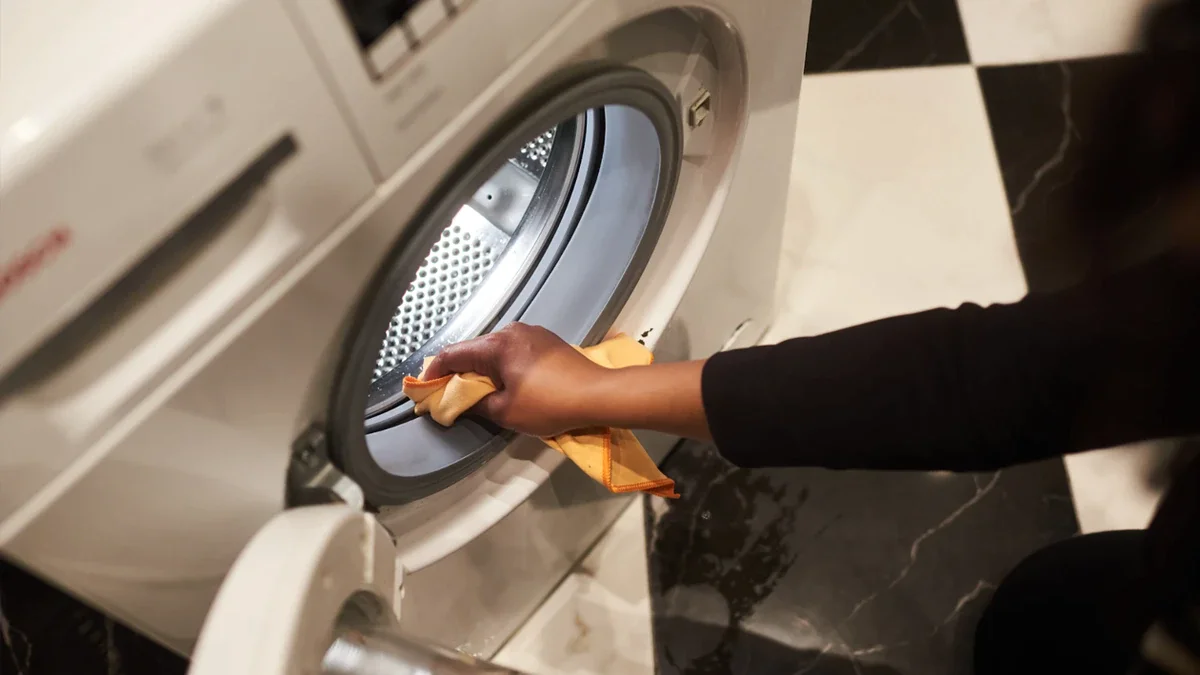
Clean the door seal
Remove water from the door seal after each wash (if you notice mould, wipe the rubber seal with hot water and detergent). Between washes, leave the door and detergent dispenser open – that lets the interior dry.
Use the service cycle
Many machines have a specific “service” or “cleaning” cycle. It helps your machine smell fresh, prevents detergent build-up, and keeps it cleaning at its best.
If your machine doesn’t have a service cycle, run a hot wash with a full-strength powder detergent once a month.
Keep reading: www.curtainclean.co.nz...

Poll: Should the government levy industries that contribute to financial hardship?
As reported in the Post, there’s a $30 million funding gap in financial mentoring. This has led to services closing and mentors stepping in unpaid just to keep helping people in need 🪙💰🪙
One proposed solution? Small levies on industries that profit from financial hardship — like banks, casinos, and similar companies.
So we want to hear what you think:
Should the government ask these industries to contribute?

-
0% Yes, supporting people is important!
-
0% No, individuals should take responsibility
-
0% ... It is complicated

A Neighbourly Riddle! Don’t Overthink It… Or Do?😜
Do you think you know the answer? Simply 'Like' this post if you know the answer and the big reveal will be posted in the comments at 2pm on the day!
If you multiply this number by any other number, the answer will always be the same. What number is this?

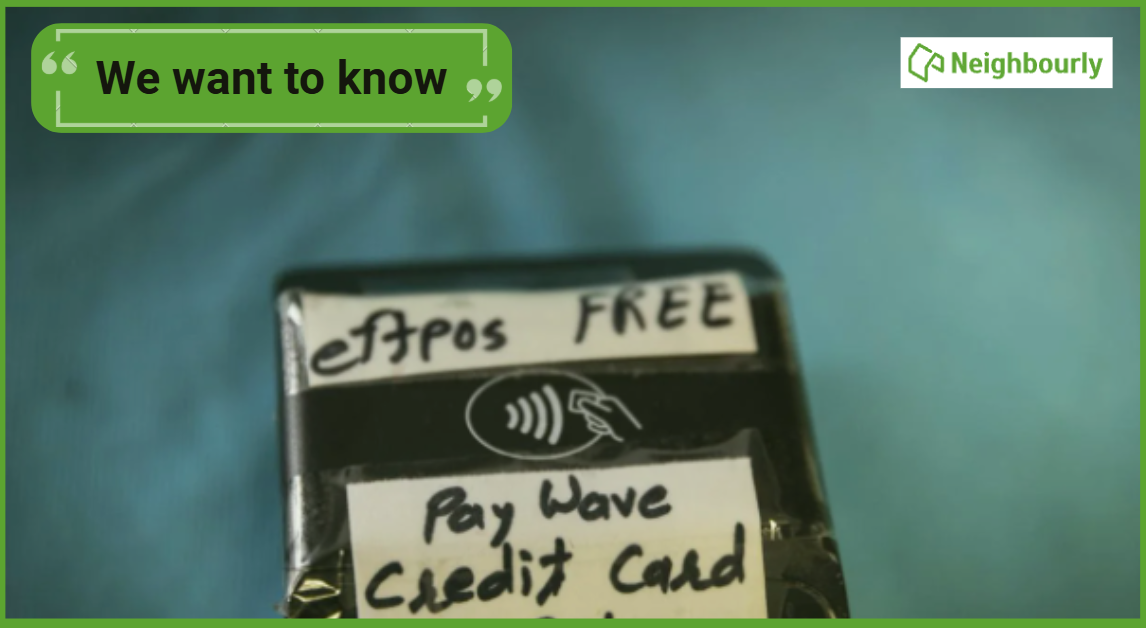
Poll: As a customer, what do you think about automation?
The Press investigates the growing reliance on your unpaid labour.
Automation (or the “unpaid shift”) is often described as efficient ... but it tends to benefit employers more than consumers.
We want to know: What do you think about automation?
Are you for, or against?
-
9.6% For. Self-service is less frustrating and convenient.
-
43.4% I want to be able to choose.
-
47% Against. I want to deal with people.
 Loading…