





Canterbury’s ‘neglected’ coastline needs greater protection – conservationists
By David Hill, Local Democracy Reporter
Conservationists say Canterbury’s coastline has been neglected for too long and it's time for a "complete overhaul" of the regional council's plan to protect the marine environment.
Te Korowai o Te Tai ō Marokura, an organisation that protects Kaikōura’s marine environment and fisheries, has been advocating for an updated environmental plan for some time.
Secretary Gina Solomon said the council’s focus on freshwater has seen it ‘‘neglect’’ the marine environment.
‘‘It needs a complete overhaul and I don’t think Canterbury is doing much in the biosecurity or invasive species space.’’
Her comments come after Environment Canterbury voted last week to look into what was needed to review the Canterbury Regional Coastal Environment Plan.
The plan was adopted in 2005 and aims to promote the sustainable management of the Canterbury coast.
Councillor Genevieve Robinson, who put forward the motion to review the plan, said it no longer reflected the direction or intent of the New Zealand Coastal Policy Statement, which guides local authorities on managing the coastal environment.
Kaikōura Zone Committee chairperson Ted Howard, a conservationist with 30 years experience in commercial fishing, said a review was long overdue.
‘‘It has been on and off the books for a while and it has been delayed three times since I’ve been involved.’’
Greenpeace Aotearoa oceans campaigner Ellie Hooper said regional coastal plans played an important part in protecting the health of ocean systems.
New Zealand’s coastlines faced risks from pollution, sedimentation and ‘‘destructive fishing’’.
‘‘In New Zealand and around the world, we are in an ocean crisis with species being pushed to the brink due to human activities.’’
Polling by Greenpeace showed New Zealanders were concerned about the impacts fishing on the ocean.
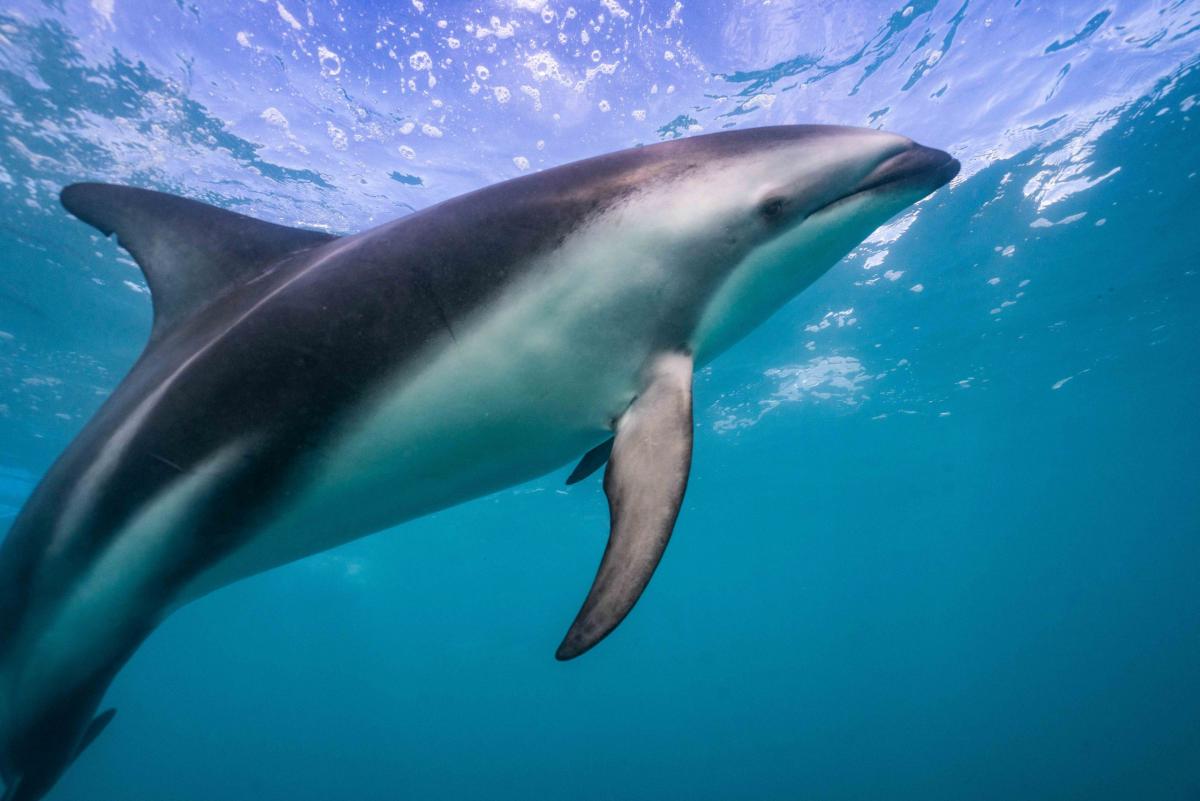
She said commercial fishing was endangering Hector’s dolphins, seabirds, fur seals and corals.
‘‘You’ve got the direct impacts of fishing, things that are caught in the process that aren’t the target, and then you’ve got the impacts of commercial fishing taking so much fish out of the water that creatures like fur seals are unable to feed themselves.
‘‘It is abhorrent.’’
Department of Conservation (DOC) marine species manager Malene Felsing said regional coastal plans are important tools for managing the coastal and marine environment, and DOC would be happy to help with any review process.
DOC has created a management plan to reduce the threats to Hector’s and Māui dolphins.
Fisheries New Zealand fisheries management director Emma Taylor said marine mammals and seabirds were ‘‘precious taonga to New Zealand’’.
The agency worked closely with local councils, DOC, the fishing industry, iwi, and local communities to look after the country’s coastlines.
The South Island Hector’s Dolphin Bycatch Reduction Plan has been developed and outlines regulatory and voluntary measures designed to reduce the Hectors’ dolphin bycatch towards zero.
Measures include restrictions on fishing, with about 17,650sqkm of South Island coastline closed to set netting.
About 6988sqkm of trawl measures are also in place, Taylor said.
‘‘This includes the Canterbury coastline, which has a set-netting ban out to at least four nautical miles, and up to 19 nautical miles at Pegasus Bay.’’
Robinson’s motion called for the ban to be extended to six nautical miles, or just over 11km from the coastline.
■ LDR is local body journalism co-funded by RNZ and NZ On Air.


Don't overthink this riddle...
I have a silver sole
but no feet,
I make my living by bringing the heat.
What am I?
Do you think you know the answer? Simply 'Like' this post if you know the answer and the big reveal will be posted in the comments at 2pm on the day!
Want to stop seeing these in your newsfeed?
Head here and hover on the Following button on the top right of the page (and it will show Unfollow) and then click it. If it is giving you the option to Follow, then you've successfully unfollowed the Riddles page.


Poll: Does a savoury scone require cheese on top, or folded inside?
Help settle the great kiwi debate ... cheese on top, or folded inside?

-
76.5% Inside!
-
23.5% On top!

A reminder this hunting season
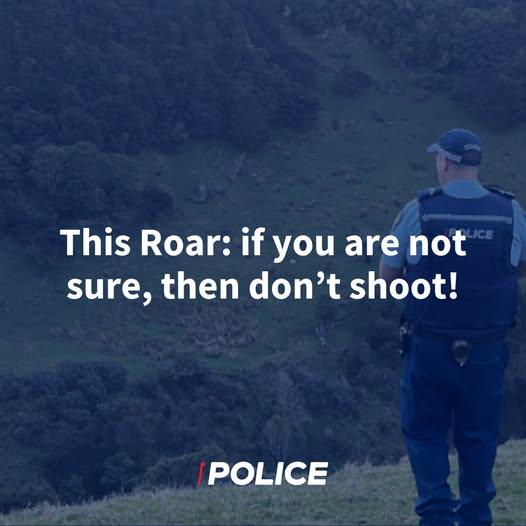
As thousands of hunters are making their plans for autumn – the Roar – recreational firearms groups are urging hunters to always be 100% sure of their targets.
Te Tari Pureke - Firearms Safety Authority NZ, which chairs the Recreational Firearms Users Group, has begun a public information campaign reminding hunters everywhere of Rule #4 of the Firearms Safety Code: to identify their target beyond all doubt.
Director Communities and Corporate, Mike McIlraith, says there is an estimated 50,000-60,000 New Zealanders involved in big game animal hunting each year, and the Roar is the key event for many hunters each year.
“The Roar is a fantastic time of year for hunters to get out into the hills after a trophy animal but hunting safely and making sure everyone gets home in one piece, still must be the most important goal of every trip,” says Mike McIlraith.
“The consequences of not fully identifying your target beyond all doubt can be catastrophic. Our message to hunters is a really simple one: If you are not sure, then don’t shoot.”
Mike McIlraith says while hunting fatalities are thankfully rare, research has shown that misidentification of the target is the largest firearms related risk to New Zealand deer hunters, and 80% of the time this involves members of the same hunting group.
The Authority says hunters should not feel pressured to take a shot: “Instead, hunters should take the time to analyse their target, wait and see if it is a hind or stag, how old is the animal, how many points does its antlers have? Identifying your target means never firing at sound, shape, colour or movement alone.”
Mike McIlraith says good hunters will slow down, and run through some simple mental checks:
- Can I see the whole animal, or could this be another hunter?
- Where are my hunting companions – could this be them or someone else?
- How much of the animal can you see, if it is a hind or stag, how old is the animal, how - many points does its antlers have?
“Taking a little extra time to identify your target and check the firing zone is the key to safer hunting. No meat or no trophy is better than no mate,” he says.
 Loading…