






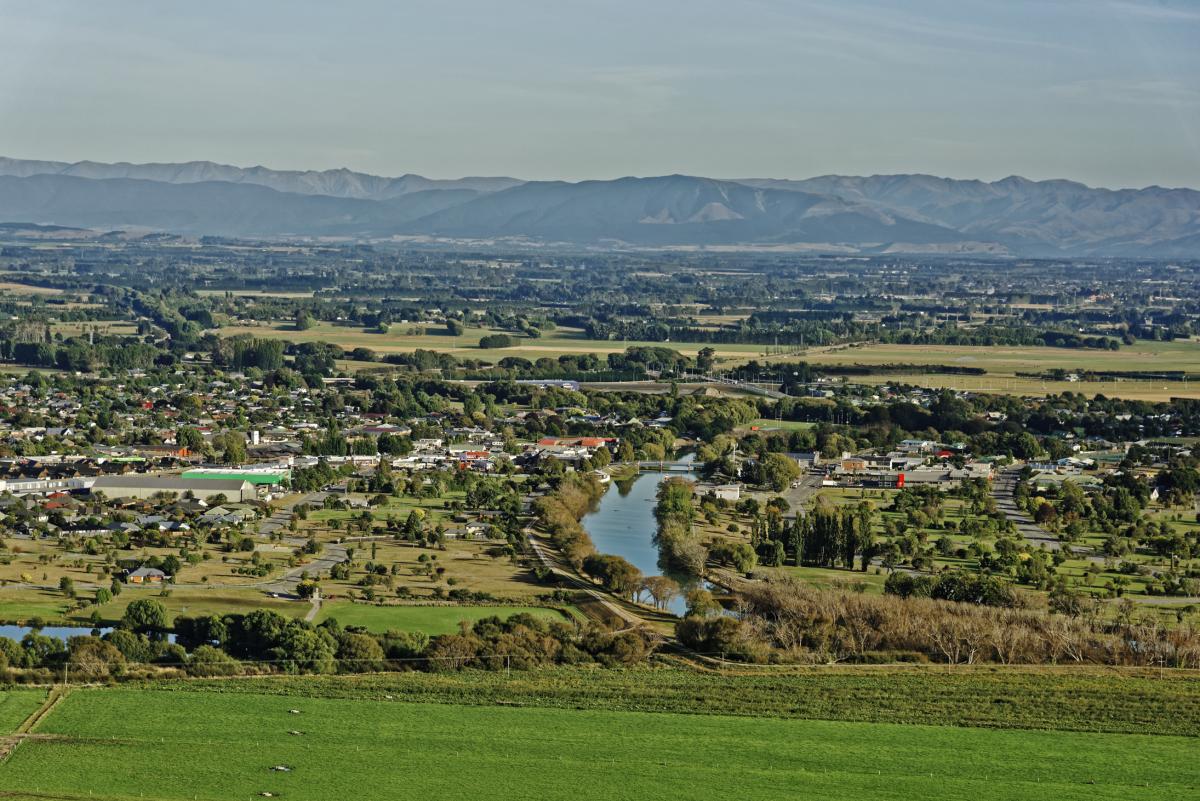
North Canterbury a popular place to live
From local democracy reporter David Hill:
The Waimakariri and Hurunui district councils are continuing to process high numbers of consents for new houses, as the housing boom shows no signs of letting up.
In the six months to June 30, 435 consents for new houses were issued in the Waimakariri district.
While this is 12% down on the same period last year, 400-plus consents was a normal year for Waimakariri before the 2010 and 2011 earthquakes, deputy mayor Neville Atkinson said.
Last year, 935 consents were issued for new houses and a similar result was predicted for this year.
"It’s really booming. Why would you not want to live in Waimakariri?" Atkinson said.
"When we set out rates for this year we put the range at around 900 consents and we are halfway at six months, so we are definitely on track."
Woodend led the way with 144 consents, followed by Kaiapoi with 139 and 86 consents in rural areas.
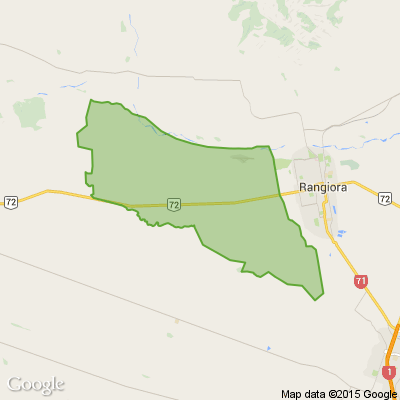
There were 38 consents issued in Pegasus and just 25 in Rangiora.
Atkinson said the bulk of Kaiapoi’s growth was in the Silverstream subdivision, with the smaller sections and high density housing.
While Rangiora’s consent numbers were down, it would pick up again soon with new developments in the pipeline.
One proposed subdivision in Rangiora, Bellgrove, was recently fast-tracked under the Covid-19 Recovery Fast-track Consenting Act 2020.
The 63-hectare site is expected to open up soon for 209 sections in stage one and up to 1100 sections over five stages.
The Waimakariri district’s population has already passed 66,000 and is on track to top 78,000 by 2031.
Long-term projections suggest Waimakariri could approach 100,000 by 2048, with Rangiora expected to pass 30,000.
Kaiapoi is set to run out of room for expansion, but could continue to grow with ‘‘infill’’ and subdividing into smaller sections and more high density housing, Atkinson said.
"That’s one of those issues we will face, whether people see it as a good thing or not is a different story."
He said careful planning and working together with the Greater Christchurch partners was essential.
"We can’t rest on our laurels when planning for our future.
"We have to make sure our systems can handle the growth and that we can continue to keep up with climate change.
"And we need to remember everything flows to Kaiapoi so we’ve got to be smarter with the way we handle our water systems."
The Hurunui District Council issued 194 consents for new houses in the year to June 30, up from 118 the previous year - an increase of 60%, building and property manager Kerry Walsh said.
Amberley led the way with 100 consents for new houses, followed by Hanmer Springs with 45 consents.
Total consents issued in the last six months were 317 with a building value of $52 million, compared with 300 at a value of $42m for the same period last year.
The Kaikōura District Council has issued 73 building consents for the first six months of this year, after issuing 154 building consents during the 2021 calendar year.
The council has also issued 50 resource consents (such as subdivisions and land use), compared to 44 resource consents for the same period last year.


Poll: 🪰 Should the city invest money into researching the new Bypass Plan, or should we prioritise fixing the existing infrastructure?
As reported in the Press, the debate over the Bromley odour continues. Recently, a Bypass Plan has been proposed as a potential solution - this involves pumping sewage into the sea. However, official technical, scientific, and environmental reports on this plan and how it may impact the Canterbury region aren't finished yet.
Before we get the final word from the consultants, we want to know what the community thinks about the allocation of rates and resources.
We want to know: Should the city invest money into researching the new Bypass Plan, or should we prioritise fixing and upgrading the existing infrastructure?

-
7.9% Research the Bypass
-
84.2% Fix Existing Infrastructure
-
7.9% Undecided/Need more info
Poll: Should we ditch daylight saving? 🕰️
First introduced in New Zealand in 1927 with the passing of the Summer Time Act, it's what we know as 'Daylight Saving' and this year it ends on the first Sunday in April.
While we do get to sleep in this time around, some people would like to scrap the clock tinkering for good.
And why? Some evidence suggests the time changes are bad for our health as they mess with sleep patterns leading to short-term fatigue and affecting mood. Meanwhile the hour change is frustrating for farmers and a nightmare for getting the littlies to sleep. But what's your take?

-
40.7% Yes - get rid of the clock changes
-
57.5% No, I enjoy it
-
1.7% Other - I'll share below

 Loading…