




Queenstown Lakes to face more leaky building claims after 13% rates rise
From reporter Debbie Jamieson:
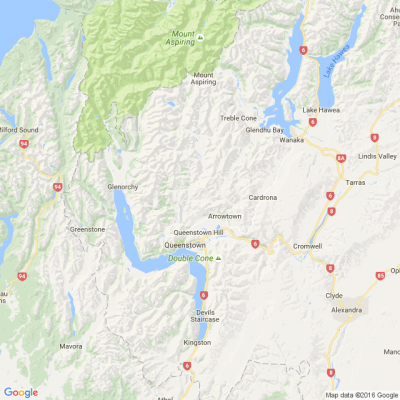
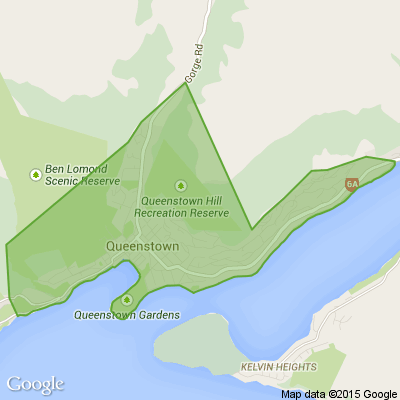
Queenstown ratepayers are facing more leaky homes claims but none as large as those behind a proposed average 13.6% rate rise this year.
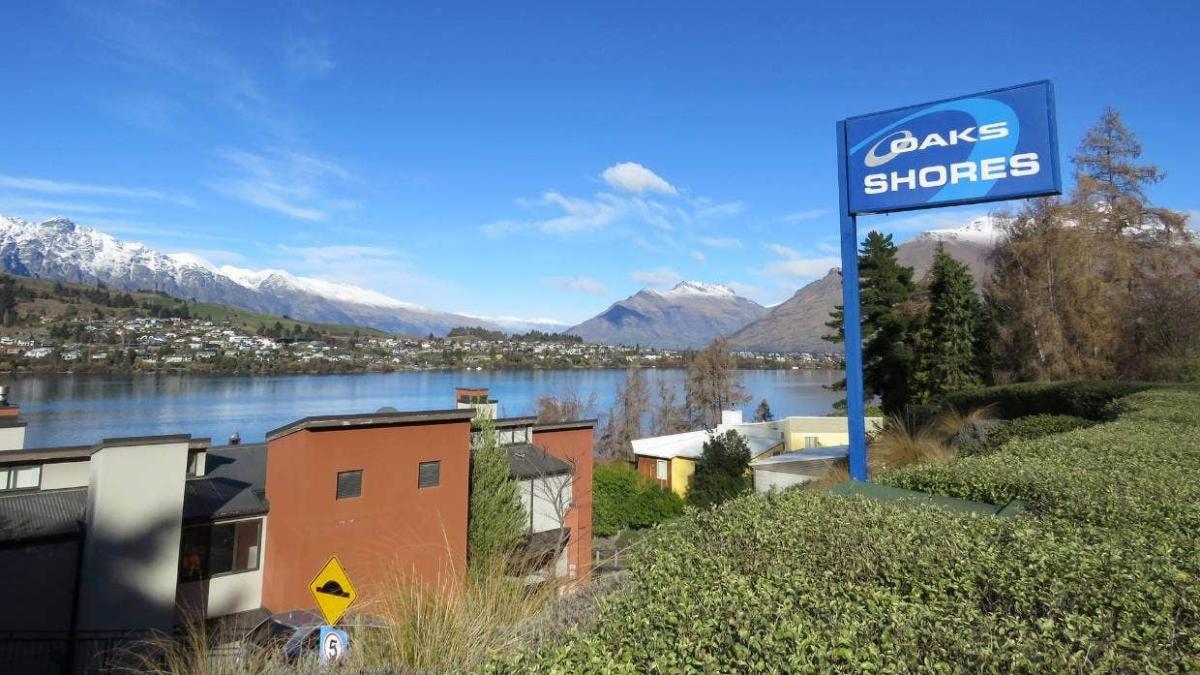
The Queenstown Lakes District Council – which covers Queenstown and Wānaka and surrounding areas – settled last year with the body corporate of the Oaks Shore apartments, which claimed $163 million for leaky building repairs.
The exact settlement figure was confidential, but the council was taking out a loan to pay the claim.
It was covering other claims also, including one for the neighbouring property Oaks Club Resort, thought to be about $50m.
The impact of the interest costs meant the claims contributed to nearly a third of the massive rates increase for the coming financial year, documents show.
If the claim was paid in a single year the rates increase would be “horrendous” and in the “hundreds of percents”, council finance manager Stewart Burns said during a council meeting on Thursday.
Councillor Esther Whitehead asked what assurances the council could provide that ratepayers would not face another increase due to leaky home claims.
Burns said the council was currently facing three or four claims, but none were on the scale of the two Oaks properties.
Properties caught in the leaky home legislation were built between 15 and 20 years ago.
Claims had to be made within 10 years of a property’s completion.
The council was reaching the end of that period, he said.
Council standards for building inspections and consents have improved in the last 20 years.
The building inspection and consent processes at the time of the construction of the affected buildings was also a contributing factor, he said.
“The standard we have to meet these days compared to 20 years ago is quite different, and we are audited regularly on those services.
“We certainly have got a lot of confidence that the way we operate now is appropriate.”
Draft annual plan documents show how increases in interest rates, depreciation expenses and record-high inflation have also contributed to the region’s rates increase.
To lessen the rates rise, the council is planning to defer $106.7m in projects, including a Wānaka water treatment plant, a new reservoir at Quail Rise, and a Queenstown water treatment plant at Two Mile.
Increases in some user fees such as building consents, animal registration, and sport and recreational services are also proposed.
The council is undertaking public consultation on the draft annual plan.

Poll: How important is the ability to book a doctor’s appointment online?
Hi Neighbours
Here at The Doctors we would love to hear how you prefer to book your doctor’s appointments. With busy schedules, different people find different methods easier.
For some, online booking is very convenient, you can make an appointment anytime without needing to wait on the phone. Others still prefer calling the clinic and speaking to a real person, especially if they have specific questions about their visit.
Your feedback helps us understand what works best for our patients and how we can improve access to care.

-
34.9% I prefer booking online whenever possible
-
26.4% Online booking is helpful but not essential
-
34% I prefer calling the clinic
-
4.7% I didn’t know online booking was available

A reminder this hunting season
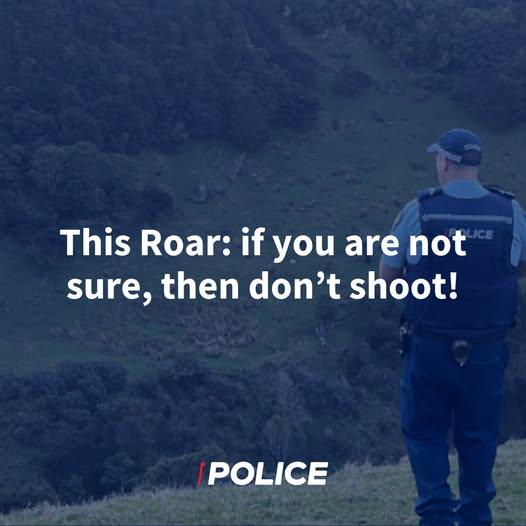
As thousands of hunters are making their plans for autumn – the Roar – recreational firearms groups are urging hunters to always be 100% sure of their targets.
Te Tari Pureke - Firearms Safety Authority NZ, which chairs the Recreational Firearms Users Group, has begun a public information campaign reminding hunters everywhere of Rule #4 of the Firearms Safety Code: to identify their target beyond all doubt.
Director Communities and Corporate, Mike McIlraith, says there is an estimated 50,000-60,000 New Zealanders involved in big game animal hunting each year, and the Roar is the key event for many hunters each year.
“The Roar is a fantastic time of year for hunters to get out into the hills after a trophy animal but hunting safely and making sure everyone gets home in one piece, still must be the most important goal of every trip,” says Mike McIlraith.
“The consequences of not fully identifying your target beyond all doubt can be catastrophic. Our message to hunters is a really simple one: If you are not sure, then don’t shoot.”
Mike McIlraith says while hunting fatalities are thankfully rare, research has shown that misidentification of the target is the largest firearms related risk to New Zealand deer hunters, and 80% of the time this involves members of the same hunting group.
The Authority says hunters should not feel pressured to take a shot: “Instead, hunters should take the time to analyse their target, wait and see if it is a hind or stag, how old is the animal, how many points does its antlers have? Identifying your target means never firing at sound, shape, colour or movement alone.”
Mike McIlraith says good hunters will slow down, and run through some simple mental checks:
- Can I see the whole animal, or could this be another hunter?
- Where are my hunting companions – could this be them or someone else?
- How much of the animal can you see, if it is a hind or stag, how old is the animal, how - many points does its antlers have?
“Taking a little extra time to identify your target and check the firing zone is the key to safer hunting. No meat or no trophy is better than no mate,” he says.

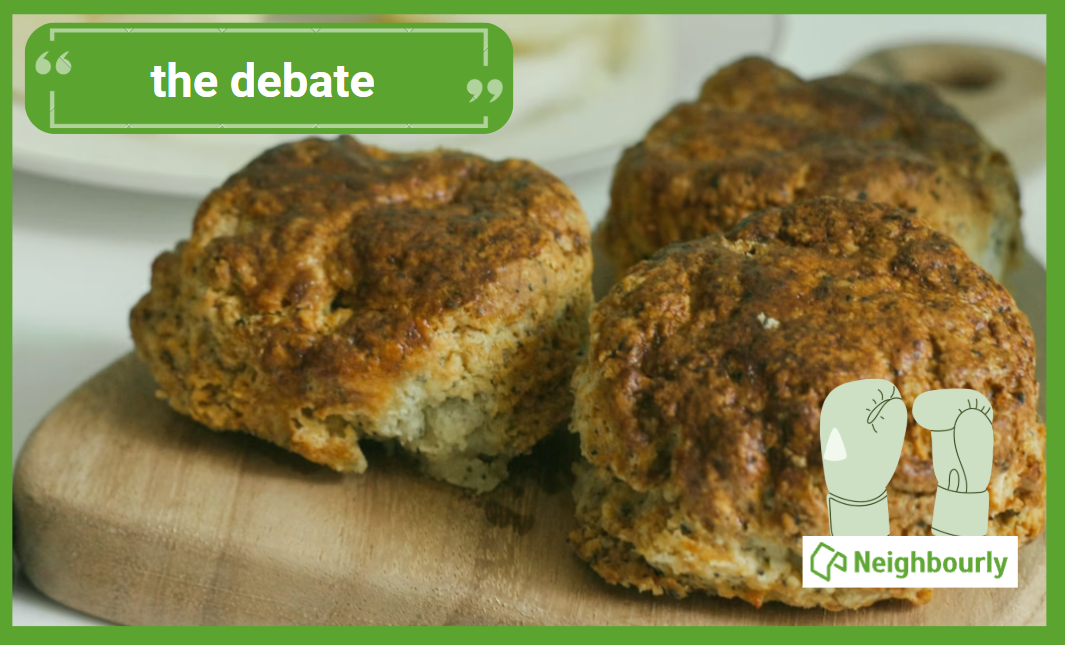
Poll: Does a savoury scone require cheese on top, or folded inside?
Help settle the great kiwi debate ... cheese on top, or folded inside?
-
76.4% Inside!
-
23.6% On top!
 Loading…