




Harassment and bullying concerns revealed in plan to transform tourism workforce
From reporter Debbie Jamieson:
Tourism and hospitality workers suffer high levels of harassment and bullying and one-third want better pay and conditions, a new survey has found.
The Auckland University of Technology survey of 900 workers has informed a Government plan to strengthen the tourism workforce.
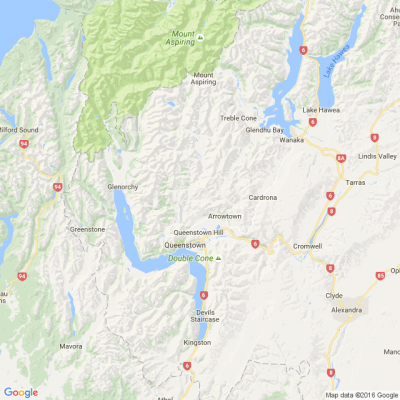
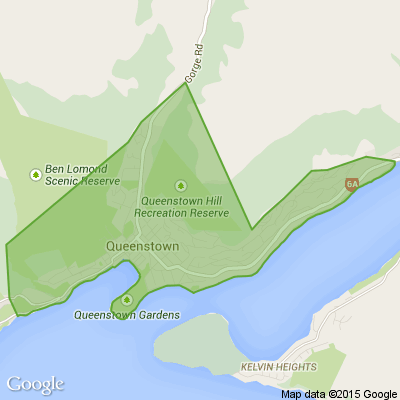
New Tourism Minister Peeni Henare announced the plan to tourism industry representatives in Queenstown on Wednesday.
It included a scheme allowing businesses to demonstrate they are good employers, and aiming to lift cultural competency in the sector and develop educational opportunities.
The 2022 survey was commissioned by the group developing the plan and was the largest and most detailed survey done in New Zealand of tourism and hospitality employees and their working conditions.
AUT School of Hospitality and Tourism senior lecturer David Williamson said it found key concerns among frontline and senior staff included low pay, unsatisfactory working conditions, insufficient career progression, and a high level of turnover.
One-third of respondents identified better pay and conditions as a key change required to create a better workplace.
Just over 23% had experienced bullying or harassment from other staff members or customers, while 34% had witnessed it.
It was reported in only 49% of cases and action was taken only in one quarter of those cases.
“This is a very concerning area. If we’re going to be attracting young people into the industry, trying to encourage careers and say this is a great place to work, we’re going to have to address this.”
More than half of the respondents (54%) did not know what the health and safety risks in their workplace were.
High turnover was also identified as an issue, with 45% of respondents indicating they were not planning a career in the sector or unsure about it, and 27% planning to leave their job in the next year.
“It is problematic. There is a significant minority of experiences where the conditions are not what they should be,” Williamson said.
Other issues included 9% did not have signed employment agreements, 7.5% were not paid the adult minimum wage, 68% of frontline workers received less than $24 an hour, only 71% got the correct holiday pay, and only 58% got the rest breaks they were entitled to.
Henare said it was essential for the Government to help the sector build a more resilient future.
“New Zealand continues to be one of the world’s top tourism destinations, and with the borders open, international visitors are returning.”
Part of that was to ensure the workforce was skilled and supported, through education, good career pathways, pay and working conditions, he said.
It included the establishment of a Tourism and Hospitality Accord – a voluntary employer accreditation scheme identifying businesses in tourism and hospitality that treat staff well.
By joining the accord they would be able to show they were good employers, which would help them attract quality staff.
There would also be closer collaboration between industry and education providers to ensure the right skills were being taught to fill the jobs the sector needed, Henare said.
“And we will test whether employee-sharing can reduce the unstable and seasonal elements of tourism.”
The plan aimed to turn around the negative perception – and reality for some – that working in tourism did not pay well and the work could be unstable.
“This action plan will help to improve conditions so that tourism is a job of choice that is fulfilling and desirable for people here and those coming from abroad,” Henare said.
Among 14 outlined initiatives are plans to develop new tourism qualifications, conduct a tourism conservation employee-sharing pilot building on the benefits of the Jobs for Nature programme, and explore options for clearer long-term immigration settings.

Poll: How important is the ability to book a doctor’s appointment online?
Hi Neighbours
Here at The Doctors we would love to hear how you prefer to book your doctor’s appointments. With busy schedules, different people find different methods easier.
For some, online booking is very convenient, you can make an appointment anytime without needing to wait on the phone. Others still prefer calling the clinic and speaking to a real person, especially if they have specific questions about their visit.
Your feedback helps us understand what works best for our patients and how we can improve access to care.

-
37.2% I prefer booking online whenever possible
-
23.2% Online booking is helpful but not essential
-
36% I prefer calling the clinic
-
3.7% I didn’t know online booking was available

A reminder this hunting season
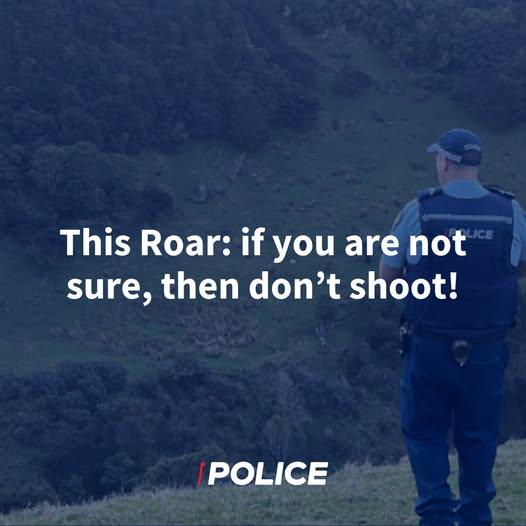
As thousands of hunters are making their plans for autumn – the Roar – recreational firearms groups are urging hunters to always be 100% sure of their targets.
Te Tari Pureke - Firearms Safety Authority NZ, which chairs the Recreational Firearms Users Group, has begun a public information campaign reminding hunters everywhere of Rule #4 of the Firearms Safety Code: to identify their target beyond all doubt.
Director Communities and Corporate, Mike McIlraith, says there is an estimated 50,000-60,000 New Zealanders involved in big game animal hunting each year, and the Roar is the key event for many hunters each year.
“The Roar is a fantastic time of year for hunters to get out into the hills after a trophy animal but hunting safely and making sure everyone gets home in one piece, still must be the most important goal of every trip,” says Mike McIlraith.
“The consequences of not fully identifying your target beyond all doubt can be catastrophic. Our message to hunters is a really simple one: If you are not sure, then don’t shoot.”
Mike McIlraith says while hunting fatalities are thankfully rare, research has shown that misidentification of the target is the largest firearms related risk to New Zealand deer hunters, and 80% of the time this involves members of the same hunting group.
The Authority says hunters should not feel pressured to take a shot: “Instead, hunters should take the time to analyse their target, wait and see if it is a hind or stag, how old is the animal, how many points does its antlers have? Identifying your target means never firing at sound, shape, colour or movement alone.”
Mike McIlraith says good hunters will slow down, and run through some simple mental checks:
- Can I see the whole animal, or could this be another hunter?
- Where are my hunting companions – could this be them or someone else?
- How much of the animal can you see, if it is a hind or stag, how old is the animal, how - many points does its antlers have?
“Taking a little extra time to identify your target and check the firing zone is the key to safer hunting. No meat or no trophy is better than no mate,” he says.

Poll: Does a savoury scone require cheese on top, or folded inside?
Help settle the great kiwi debate ... cheese on top, or folded inside?
-
76.5% Inside!
-
23.5% On top!
 Loading…