




Businessman Dave Henderson withdraws cycle trail opposition after cup of coffee
From reporter Debbie Jamieson:
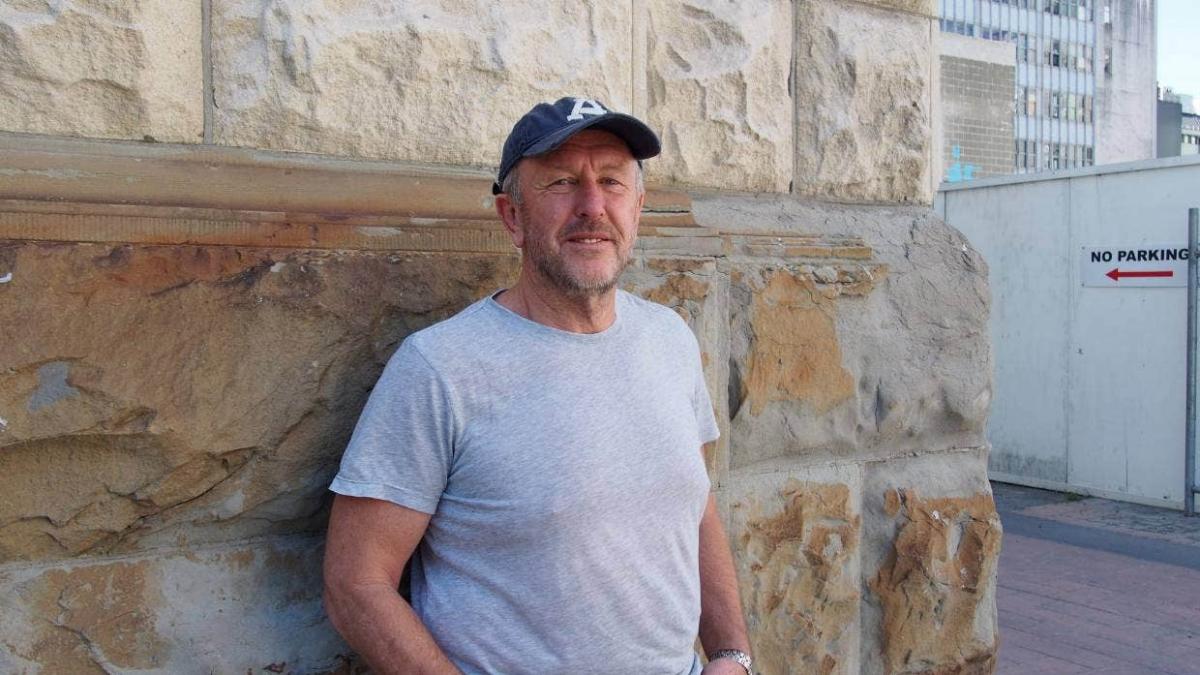
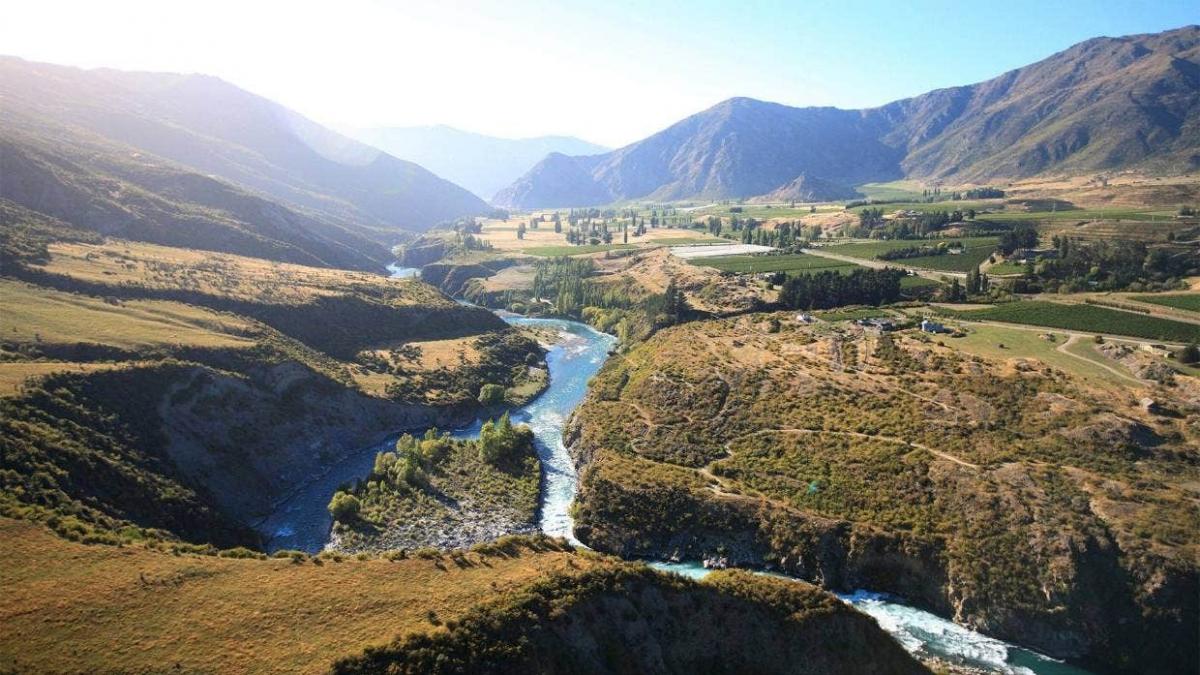
Plans for a spectacular link in the Queenstown to Central Otago cycle trail are proceeding after a cup of coffee led to developer Dave Henderson withdrawing his opposition.
Henderson had threatened to go to the Environment Court over a resource consent allowing the trail to be built.
In March, he said it crossed land owned by his company The Cardrona Cattle Company.
“My sole purpose was to try to sort out some of the other landowners to reduce the cost of construction and create a better experience,” he said following the resolution with the Central Otago Queenstown Trails Network Trust.
The trail no longer crossed his land but would travel past the Victoria Flats Landfill.
“It’s very close to the rubbish dump, which I didn’t think was ideal, but everybody else was comfortable with it.”
He had some concerns about reverse sensitivity too – cycle trail users complaining about existing activity and development in the area – but that had been resolved, he said.
“At the end of the day we had a cup of coffee and got it sorted.”
He would be an enthusiastic user of the trail, which would link his home to a development he was working on in the area, he said.
Former Christchurch mayor Sir Bob Parker and his wife, Lady Joanna Nicholls-Parker were shareholders in The Cardrona Cattle Company until April, this year.
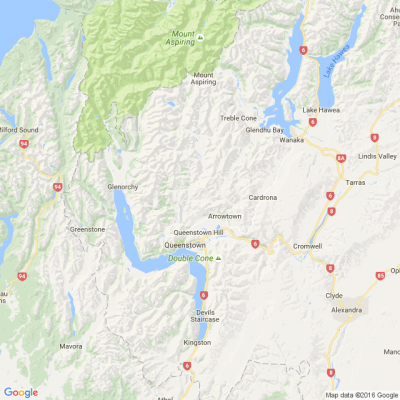
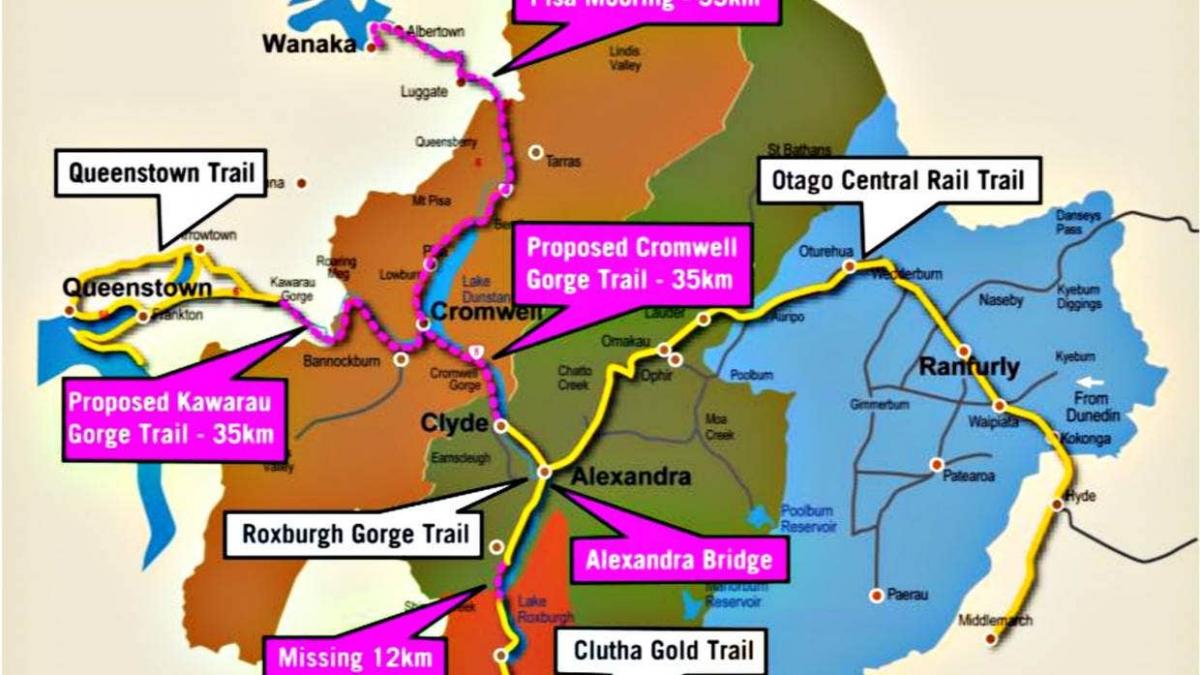
The Kawarau Gorge Trail is part of a $26 million project connecting five Great Rides in the region.
It will include an underground tunnel near the Nevis Bluff and follow the Kawarau River to Bannockburn where it will connect with the widely acclaimed Lake Dunstan Trail, to Clyde.
Central Otago Queenstown Trails Network Trust chairperson Stephen Jeffery said before construction could begin, the trust had to finalise some details – including creating a plan for managing lizards – for sections of the trail that passed through Department of Conservation Land.
It was hoped that approval would be in place in early 2023.
The complete 500km route will also require a route connecting Wānaka to Cromwell and the missing 13km on the Roxburgh Gorge Trail to be complete.
Jeffery said the network of trails would reinforce the profile of the region as a growing international cycling destination.
“We have already seen the outstanding success of the Lake Dunstan Trail and with the added investment into new trails the future looks particularly bright for cycling tourism in Central Otago.”
Earlier this week, the Queenstown Lakes District Council was awarded $11.8m in funding from the Government’s Transport Choices programme to progress trail improvements in the region.
It included $10.3m for an Arthurs Point to Queenstown route and $1.5m to look at more options for active travel links in Wānaka.

Poll: How important is the ability to book a doctor’s appointment online?
Hi Neighbours
Here at The Doctors we would love to hear how you prefer to book your doctor’s appointments. With busy schedules, different people find different methods easier.
For some, online booking is very convenient, you can make an appointment anytime without needing to wait on the phone. Others still prefer calling the clinic and speaking to a real person, especially if they have specific questions about their visit.
Your feedback helps us understand what works best for our patients and how we can improve access to care.
-
37.2% I prefer booking online whenever possible
-
23.2% Online booking is helpful but not essential
-
36% I prefer calling the clinic
-
3.7% I didn’t know online booking was available

A reminder this hunting season
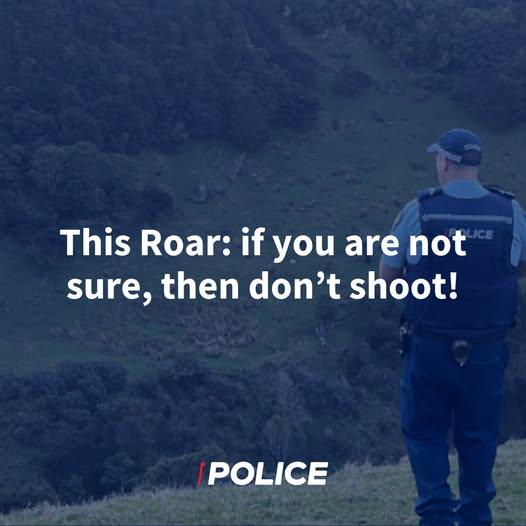
As thousands of hunters are making their plans for autumn – the Roar – recreational firearms groups are urging hunters to always be 100% sure of their targets.
Te Tari Pureke - Firearms Safety Authority NZ, which chairs the Recreational Firearms Users Group, has begun a public information campaign reminding hunters everywhere of Rule #4 of the Firearms Safety Code: to identify their target beyond all doubt.
Director Communities and Corporate, Mike McIlraith, says there is an estimated 50,000-60,000 New Zealanders involved in big game animal hunting each year, and the Roar is the key event for many hunters each year.
“The Roar is a fantastic time of year for hunters to get out into the hills after a trophy animal but hunting safely and making sure everyone gets home in one piece, still must be the most important goal of every trip,” says Mike McIlraith.
“The consequences of not fully identifying your target beyond all doubt can be catastrophic. Our message to hunters is a really simple one: If you are not sure, then don’t shoot.”
Mike McIlraith says while hunting fatalities are thankfully rare, research has shown that misidentification of the target is the largest firearms related risk to New Zealand deer hunters, and 80% of the time this involves members of the same hunting group.
The Authority says hunters should not feel pressured to take a shot: “Instead, hunters should take the time to analyse their target, wait and see if it is a hind or stag, how old is the animal, how many points does its antlers have? Identifying your target means never firing at sound, shape, colour or movement alone.”
Mike McIlraith says good hunters will slow down, and run through some simple mental checks:
- Can I see the whole animal, or could this be another hunter?
- Where are my hunting companions – could this be them or someone else?
- How much of the animal can you see, if it is a hind or stag, how old is the animal, how - many points does its antlers have?
“Taking a little extra time to identify your target and check the firing zone is the key to safer hunting. No meat or no trophy is better than no mate,” he says.

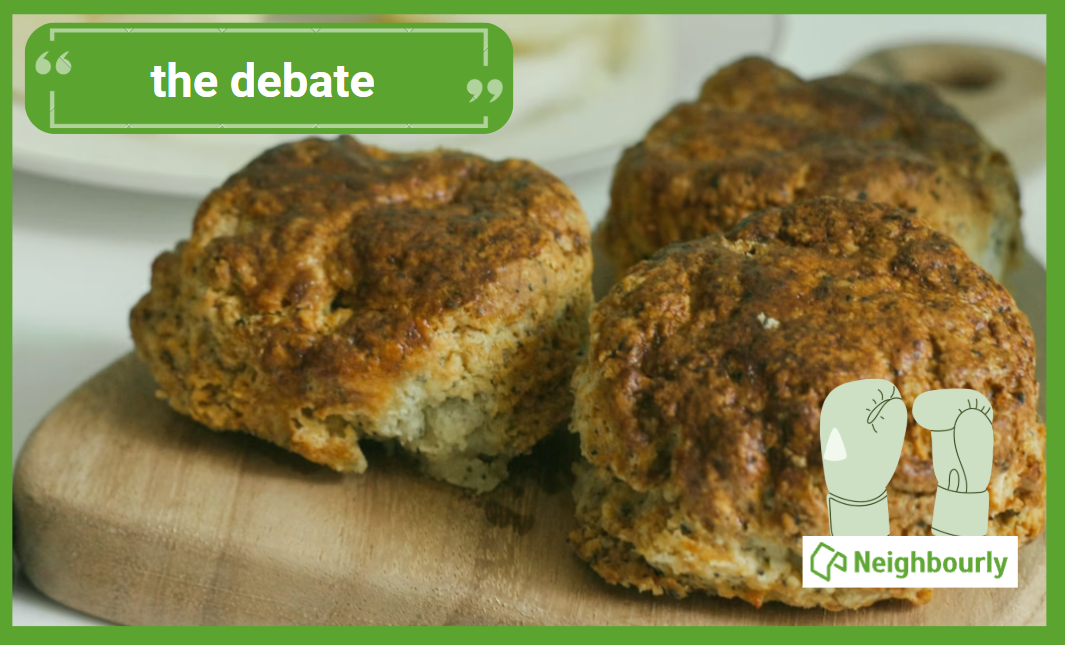
Poll: Does a savoury scone require cheese on top, or folded inside?
Help settle the great kiwi debate ... cheese on top, or folded inside?
-
76.5% Inside!
-
23.5% On top!
 Loading…