





Queenstown's construction industry 'volatile' with critical labour shortage
From reporter Debbie Jamieson:
Queenstown’s construction industry is stuck in a volatile labour market with staff leaving New Zealand or moving to other towns, and difficulties attracting new workers.
Naylor Love Central Otago director Greg Boland said the labour shortage was a nationwide problem affecting highly skilled positions in the construction industry as much as carpenters and labourers.
It was particularly felt in Queenstown due to the high cost of living and the town being less enjoyable, with closures and queues at restaurants and bars due to worker shortages in hospitality, he said.
“People are going off to Whistler, they’re going off to Auckland. They’re going to Christchurch because they believe it’s cheaper to live there.”
Larger projects such as the new $1.4 billion Dunedin Hospital and a $683 million stadium in Christchurch would also attract people, he said.
He could easily increase his worker numbers by 10%, but there was no-one to fill the roles.
“The labour market is volatile at the moment,” he said.
There was also frustration with Immigration NZ’s handling of applications, he said.
In one instance the company applied for two separate project manager positions based in Auckland with exactly the same details and salary. One was accepted and one was declined.
Naylor Love chief executive Rick Herd, backed up Boland’s comments saying it was a struggle to get any workers, including professional people such as engineers, surveyors and project engineers.
“Some of these people are paid over $200,000 a year,” he said.
Naylor Love lost up to 12 good staff during Covid-19 due to the difficulties of getting their families into New Zealand.
“The government needs to be not only opening the door but actively encouraging them. It’s not only our industry,” he said.
Staff turnover at Naylor Love was lower than other companies as they put effort into looking after their people, he said.
However, with 10% less staff than they wanted, they had to be careful not to overcommit to projects.
“That means we turn work away and that in itself drives costs up.”
It also put strain on existing staff working to deadlines if others quit halfway through a job.
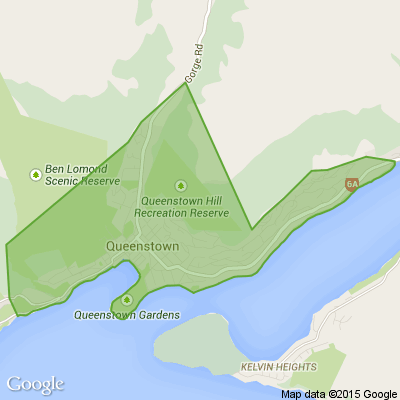
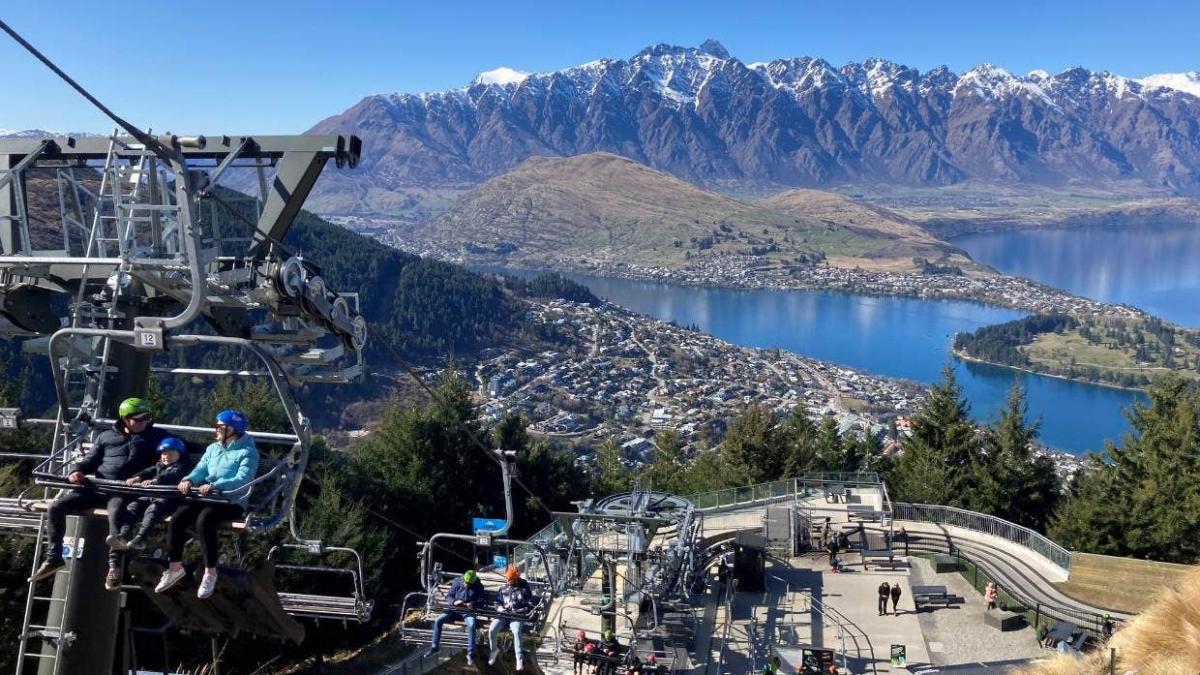
The company is working on a large project to upgrade the Skyline Terminal in Queenstown and an upgrade of Mt Aspiring College, in nearby Wānaka.
It is also signed up to work on the billion dollar Lakeview, Tamata project on Queenstown’s former Lakeview camping ground.
“The heavy part of the construction for that is really two years away so we’ll make sure we’ve not taken on other jobs.
“We’ll probably have to bring in other people from other centres,” he said.
Cook Brothers Construction business development manager Simon Glass said they were also looking for more staff.
“It’s a real mix of roles – project managers and quantity surveyors right through to builders – all trades.”
There was higher than usual turn round at the moment due to the change in seasons, he said.
Queenstown Lakes District Council chief executive Mike Theelen said the cost of housing in the district was one of its biggest challenges.
The Queenstown Lakes Community Housing Trust had about 700 households on its waiting list.
Kāinga Ora had only 12 social housing units in the district.
The district had the highest average house cost in New Zealand at $1.7m but a below average per-person income of around $52,000.
It also had the fourth-highest building consent numbers in the country but was serving a wider New Zealand and Australasian market, he said.
Recent figures showed about 40% of all new house builds in Wānaka were for holiday homes, he said.

Poll: Should we ditch daylight saving? 🕰️
First introduced in New Zealand in 1927 with the passing of the Summer Time Act, it's what we know as 'Daylight Saving' and this year it ends on the first Sunday in April.
While we do get to sleep in this time around, some people would like to scrap the clock tinkering for good.
And why? Some evidence suggests the time changes are bad for our health as they mess with sleep patterns leading to short-term fatigue and affecting mood. Meanwhile the hour change is frustrating for farmers and a nightmare for getting the littlies to sleep. But what's your take?

-
31.4% Yes - get rid of the clock changes
-
67.1% No, I enjoy it
-
1.4% Other - I'll share below

Poll: How important is the ability to book a doctor’s appointment online?
Hi Neighbours
Here at The Doctors we would love to hear how you prefer to book your doctor’s appointments. With busy schedules, different people find different methods easier.
For some, online booking is very convenient, you can make an appointment anytime without needing to wait on the phone. Others still prefer calling the clinic and speaking to a real person, especially if they have specific questions about their visit.
Your feedback helps us understand what works best for our patients and how we can improve access to care.

-
35.6% I prefer booking online whenever possible
-
23.6% Online booking is helpful but not essential
-
36.5% I prefer calling the clinic
-
4.3% I didn’t know online booking was available
Poll: Does a savoury scone require cheese on top, or folded inside?
Help settle the great kiwi debate ... cheese on top, or folded inside?

-
76.4% Inside!
-
23.6% On top!
 Loading…