





Ratepayers may have to pay extra $305 every year for 30 years over leaky building saga
The chairperson of a body corporate claiming $163 million for leaky building repairs from the Queenstown Lakes District Council says they only want a fair outcome.
The council has said the Oaks Shore claim could result in each ratepayer having to pay $305 more in rates each year for 30 years.
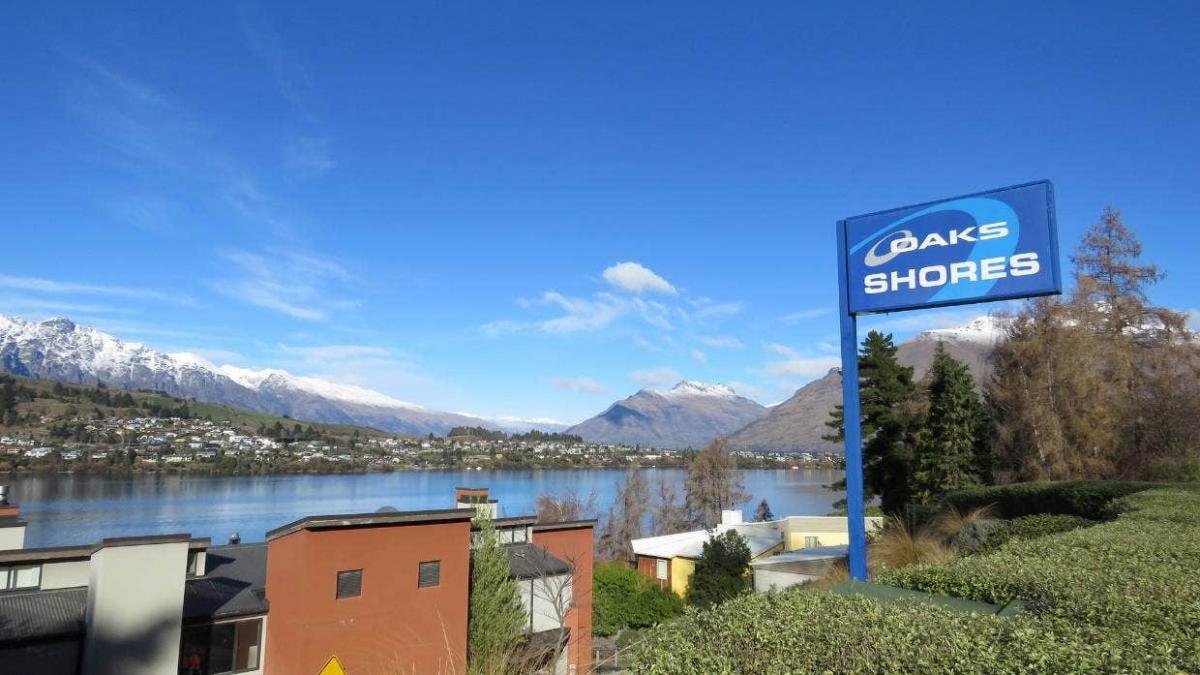
Oaks Shore is an 84-unit apartment block developed by well-known Southland developer Ross Wensley and opened in 2005.
About 74 owners launched legal action against the council and parties including architects and structural engineers in 2015 when extensive water and structural issues were discovered – including to balconies, roofs, cladding and bathrooms.
Wensley – who was responsible for hundreds of new upmarket apartments in Queenstown before the global financial crisis hit in 2008 – could not be sued as six of his companies were placed in liquidation.
His daughter-in-law, Olivia Wensley, is a mayoral candidate for the Queenstown Lakes District this year.
The apartment owners were in a “horrific” situation, body corporate chairman Graeme Kruger said.
“All we want is our building to be fixed as it was meant to be in the first place.
“It’s broken owners’ hearts.”
A High Court hearing date had been set for February 2023, but he hoped the case would be resolved earlier through mediation.
Kruger said the owners of the apartments were mostly New Zealanders purchasing a holiday home or investment property.
“No matter what the outcome is we’re going to have to contribute to it.
“We just want natural justice and fairness for all parties.”
This month, the council made a submission to the Ministry of Business, Innovation and Employment (MBIE) urging it to include risk, liability and insurance in the scope of its review of the building consent system.
The existing rule meant if one party was insolvent or had no insurance, other parties remained responsible.
The council was often the only party left to compensate homeowners when building defects arose.
Under the current system, the council had experienced an increase in the number of claims by property owners for weather tightness and other building defects, the submissions says.
In the 2021-22 year, the council spent about $40m defending and/or resolving claims, which led to a median $50 rate increase for every property.
The council was disproportionately exposed to claims due to its small ratepayer base and large number of developments, it says.
Between 2003 and 2006, Queenstown Lakes issued the highest proportion of new dwelling consents per ratepayer in New Zealand, with 31.7 new dwelling consents per 1000 residents – about four times the national average.
The next closest district was Thames-Coromandel, issuing 18.9 per 1000 residents.
If successful, the Oak Shores claim would be one of the largest single claims in New Zealand.
“This would increase rates by an average of 9.6% and would cost $305 per property every year for 30 years,” the council’s submission says.
That could result in a loss in borrowing capacity for the council and would mean less investment in community assets such as parks, libraries, performing arts and recreation facilities.
The submissions also urge MBIE to consider funding support for the council.
“It is council’s position that requiring ratepayers to pay compensation where defendants are missing is unjust,” it says.
Kruger said the interest of ratepayers needed to be protected.
“It’s unfortunate that around the country the last party standing is the council or building authority.”

Poll: Should we ditch daylight saving? 🕰️
First introduced in New Zealand in 1927 with the passing of the Summer Time Act, it's what we know as 'Daylight Saving' and this year it ends on the first Sunday in April.
While we do get to sleep in this time around, some people would like to scrap the clock tinkering for good.
And why? Some evidence suggests the time changes are bad for our health as they mess with sleep patterns leading to short-term fatigue and affecting mood. Meanwhile the hour change is frustrating for farmers and a nightmare for getting the littlies to sleep. But what's your take?
-
31.4% Yes - get rid of the clock changes
-
67.1% No, I enjoy it
-
1.4% Other - I'll share below

Poll: How important is the ability to book a doctor’s appointment online?
Hi Neighbours
Here at The Doctors we would love to hear how you prefer to book your doctor’s appointments. With busy schedules, different people find different methods easier.
For some, online booking is very convenient, you can make an appointment anytime without needing to wait on the phone. Others still prefer calling the clinic and speaking to a real person, especially if they have specific questions about their visit.
Your feedback helps us understand what works best for our patients and how we can improve access to care.

-
35.6% I prefer booking online whenever possible
-
23.6% Online booking is helpful but not essential
-
36.5% I prefer calling the clinic
-
4.3% I didn’t know online booking was available
Poll: Does a savoury scone require cheese on top, or folded inside?
Help settle the great kiwi debate ... cheese on top, or folded inside?

-
76.4% Inside!
-
23.6% On top!
 Loading…