
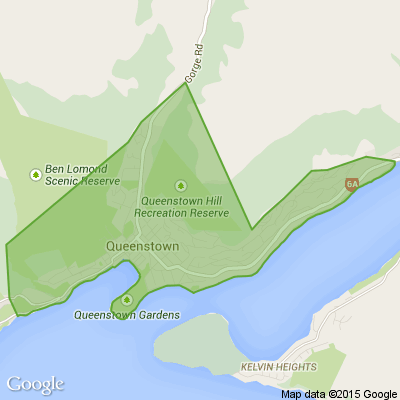





Queenstown and Wānaka house sale prices tumble - but no trend yet
From reporter Debbie Jamieson:
Queenstown median house prices have dipped below $1 million for the first time in 18 months.
Real Estate Institute figures for April show a 22.1% decrease from the same month last year, from $1.22m to $950,000 for the tourist town.
The last time it dipped below $1m was in August 2020, and the median price has regularly been in seven figures since 2018.
There was an even larger drop in Wānaka, where the median price dropped 43.3% to $635,000, largely due to sales of townhouses at the Riverside Residence development.
Of the 58 sales in Wānaka this April, 24 were townhouse purchases from Riverside Residence between $400,000 and $700,000, according to a report from the institute.
The median price excluding these sales would have been $1.115m.
There are 62 units within Riverside Residence, many of which are sold for short-term accommodation only.
Real Estate Institute Otago/Southland spokesperson Liz Nidd said the market across the country had been affected by Covid-19 and recent school holidays.
“There is a rationalisation of the market happening, but it’s too early to panic,” she said.
The report says owner-occupiers were the most active buyers in the Central Otago and Queenstown Lakes regions, although finance was challenging for many purchasers.
First home buyers in the region were scarce due to tightened lending conditions, loan to value ratios and rising interest rates.
“Anecdotally, unless first home buyers have support from the bank of mum and dad, they tend to be priced out of all but the outer suburbs,” Nidd said.
The 25 apartments are among the first of up to 4000 Housing Minister Megan Woods hopes will go through the $400m Progressive Home Ownership scheme.
Queenstown Community Housing Trust executive officer Julie Scott said even with the drop in sales prices, homes in the region remained far out of reach for low and middle income households.
“This makes absolutely no difference,” she said.
The trust has almost 800 households on its waiting list.
The institute’s report says investors had also stepped back from the market due to new tax legislation, despite rents increasing.
A lack of rental properties was making it difficult for prospective tenants.
Nationally, house sales nationwide tumbled by 29.3% between March and April, highlighting the ongoing slowdown of the market, the institute said.
Its latest figures showed there were just 4860 sales around the country in April. That was down 35.2% from the 7497 sales at the same time last year.
In Queenstown, sales decreased by 10.9%.
Agents said “fear of missing out” was replaced with a “fear of overpaying”.
“With fewer buyers in the market, there is less competition, not as much urgency and vendors have become more realistic in their expectations.”
Agents were hopeful that the Central Otago/Lakes region might see some more overseas buyers now that borders are open but are also aware that some Kiwis will leave New Zealand after two years of Covid-19.



Poll: Should we ditch daylight saving? 🕰️
First introduced in New Zealand in 1927 with the passing of the Summer Time Act, it's what we know as 'Daylight Saving' and this year it ends on the first Sunday in April.
While we do get to sleep in this time around, some people would like to scrap the clock tinkering for good.
And why? Some evidence suggests the time changes are bad for our health as they mess with sleep patterns leading to short-term fatigue and affecting mood. Meanwhile the hour change is frustrating for farmers and a nightmare for getting the littlies to sleep. But what's your take?

-
31.4% Yes - get rid of the clock changes
-
67.1% No, I enjoy it
-
1.4% Other - I'll share below

Poll: How important is the ability to book a doctor’s appointment online?
Hi Neighbours
Here at The Doctors we would love to hear how you prefer to book your doctor’s appointments. With busy schedules, different people find different methods easier.
For some, online booking is very convenient, you can make an appointment anytime without needing to wait on the phone. Others still prefer calling the clinic and speaking to a real person, especially if they have specific questions about their visit.
Your feedback helps us understand what works best for our patients and how we can improve access to care.
-
35.6% I prefer booking online whenever possible
-
23.6% Online booking is helpful but not essential
-
36.5% I prefer calling the clinic
-
4.3% I didn’t know online booking was available
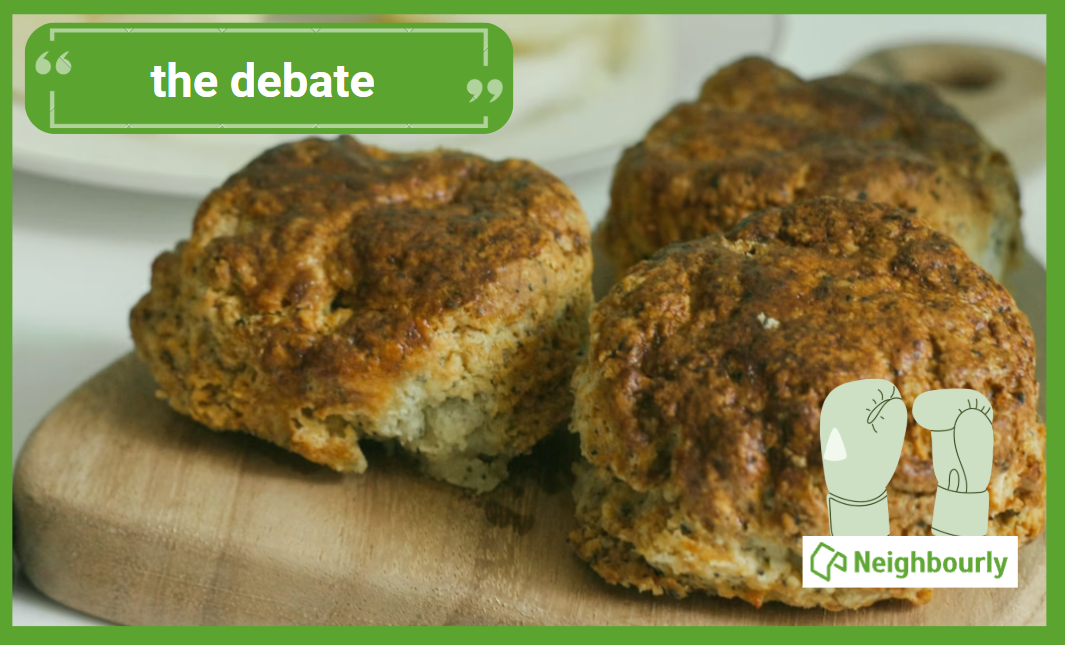
Poll: Does a savoury scone require cheese on top, or folded inside?
Help settle the great kiwi debate ... cheese on top, or folded inside?
-
76.4% Inside!
-
23.6% On top!
 Loading…