






Metropolitan Wellington to ease sprinkler ban, watering restrictions remain
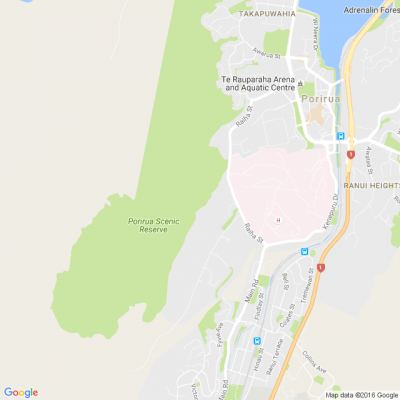
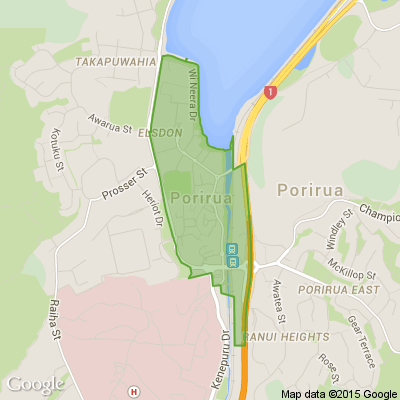
From Friday 9 February, the ban on using garden sprinklers in Wellington, Upper Hutt, Lower Hutt and Porirua will be lifted. Garden watering restrictions will still be in effect.
The four cities have been under a sprinkler ban that was introduced at the end of a particularly dry November.
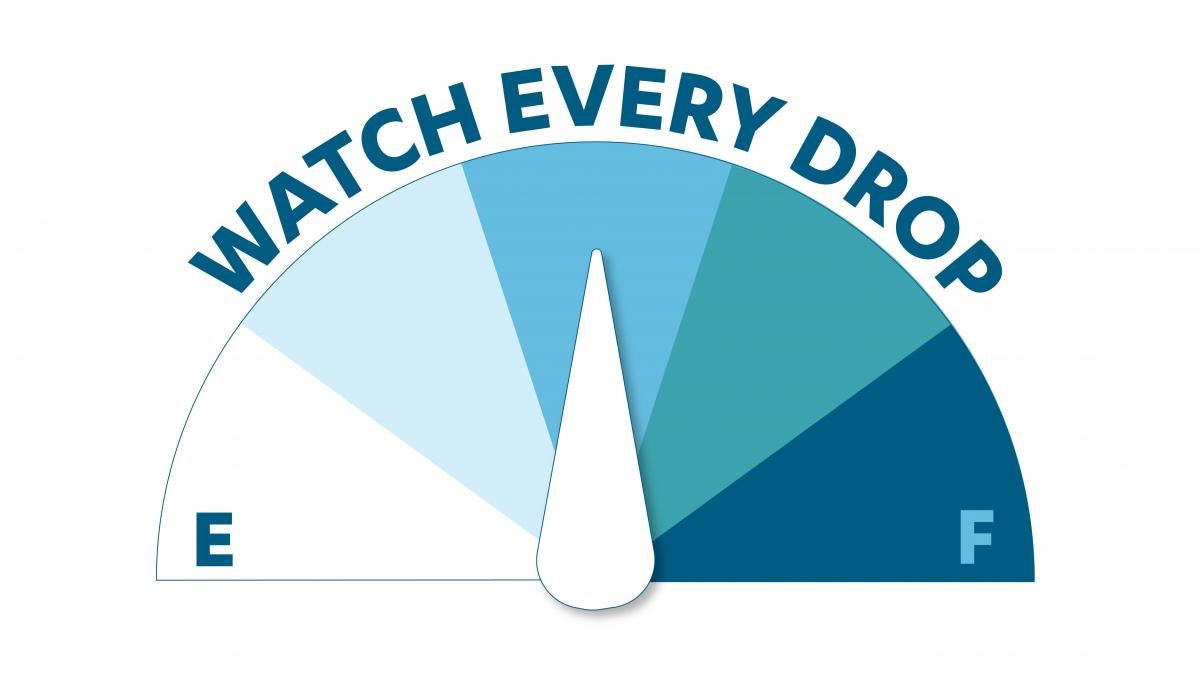
Thanks to the response from the community, and in spite of a record hot January, the region’s storage lakes are now in good shape to last for the remainder of summer.
This means restrictions can now be eased to allow for the limited use of garden sprinklers and irrigation systems.
This is a good position to be in, but it’s important that people keep being responsible with water usage.
Sprinklers are actually a relatively wasteful way to water plants, and their use is limited by the garden watering restrictions still in place.
These allow the use of a single sprinkler or irrigation system, between the hours of 6-8 am and 7-9pm only on alternate days according to your house number.
Sprinkler use permitted at:
- odd-numbered houses on odd dates (1st, 3rd, 15th etc)
- even-numbered houses on even dates (2nd, 4th, 18th etc)
only between the hours of 6-8am and 7-9pm.
This restriction level will remain in place until further notice, or the end of Daylight Savings (1 April 2018) – except in Upper Hutt, where this restriction remains in place all year round.
We’d also like to remind people that the easing of restrictions is a good time to check and refill any emergency water storage containers, or to install an emergency tank if you don’t have one yet.
Tips for good watering practice:
- Use a trigger or wand to ensure water goes only where it’s needed
- Concentrate watering on the roots of plants not the leaves
- Use mulch to keep moisture in and weeds out

Some Choice News!
DOC is rolling out a new tool to help figure out what to tackle first when it comes to protecting our threatened species and the things putting them at risk.
Why does this matter? As Nikki Macdonald from The Post points out, we’re a country with around 4,400 threatened species. With limited time and funding, conservation has always meant making tough calls about what gets attention first.
For the first time, DOC has put real numbers around what it would take to do everything needed to properly safeguard our unique natural environment. The new BioInvest tool shows the scale of the challenge: 310,177 actions across 28,007 sites.
Now that we can see the full picture, it brings the big question into focus: how much do we, as Kiwis, truly value protecting nature — and what are we prepared to invest to make it happen?
We hope this brings a smile!


Have you got New Zealand's best shed? Show us and win!
Once again, Resene and NZ Gardener are on the hunt for New Zealand’s best shed! Send in the photos and the stories behind your man caves, she sheds, clever upcycled spaces, potty potting sheds and colourful chicken coops. The Resene Shed of the Year 2026 winner receives $1000 Resene ColorShop voucher, a $908 large Vegepod Starter Pack and a one-year subscription to NZ Gardener. To enter, tell us in writing (no more than 500 words) why your garden shed is New Zealand’s best, and send up to five high-quality photos by email to mailbox@nzgardener.co.nz. Entries close February 23, 2026.

Share your favourite main crop potato recipe and win a copy of our mag!
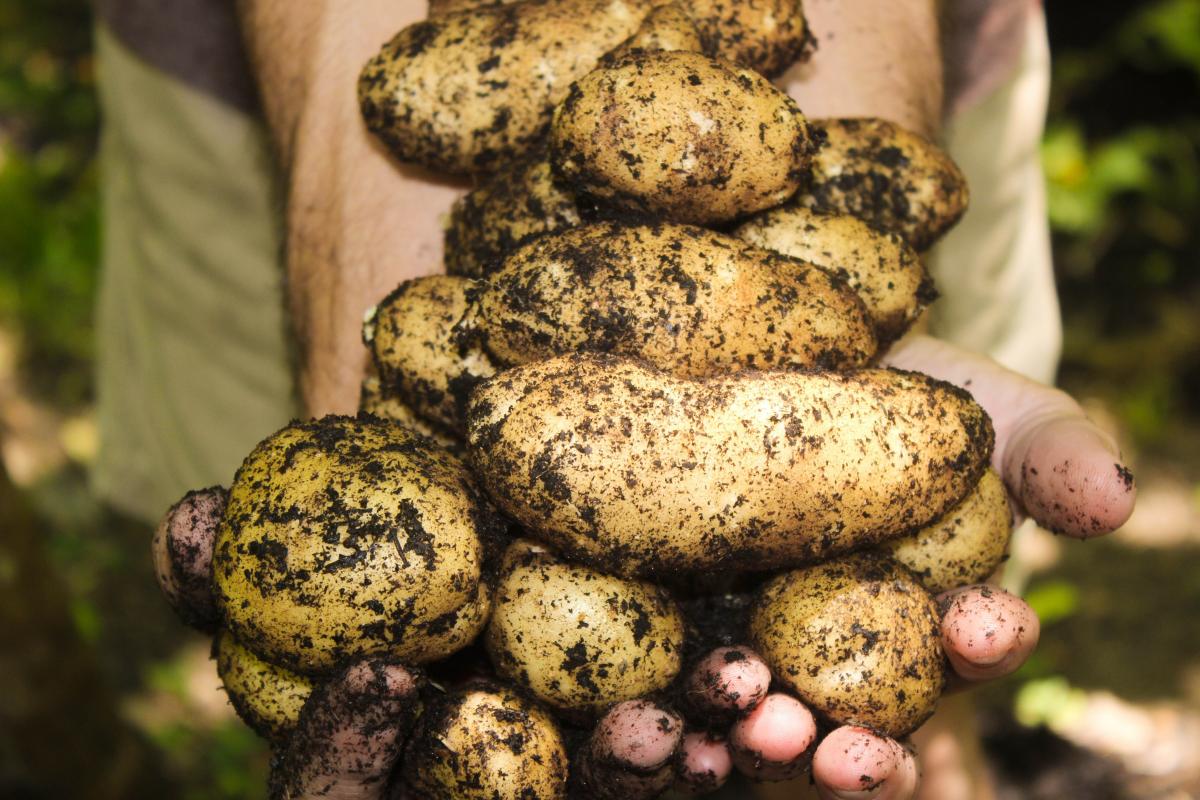
Love potatoes? We will give away free copies of the May 2026 issue to readers whose potato recipes are used in our magazine. To be in the running, make sure you email your family's favourite way to enjoy potatoes: mailbox@nzgardener.co.nz, by March 1, 2026.
 Loading…