






Time is running out... only two weeks to go! ⏳
Join the rest of the motu on October 28 by taking part in our national earthquake drill and tsunami hīkoi, ShakeOut. Signing up only takes 2 minutes and when you do, you’ll be entered to win a personal emergency grab bag or civil defence wheelie bin kit from NZ Civil Defence.
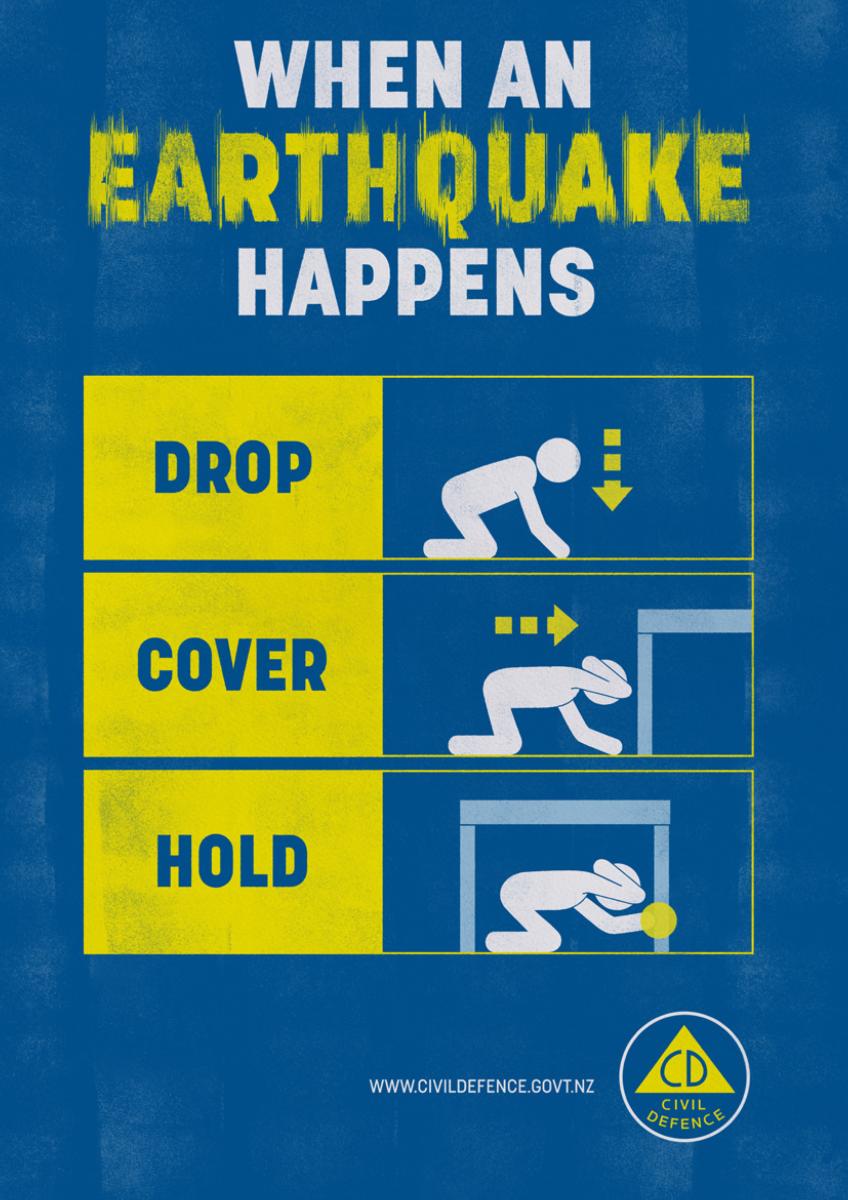
ShakeOut takes place around the world to remind people of the right action to take during an earthquake:
DROP - down on your hands and knees. This protects you from falling but lets you move if you need to.
COVER - your head and neck (or entire body if possible) under a sturdy table or desk (if it is within a few steps of you). If there is no shelter nearby, cover your head and neck with your arms and hands.
HOLD - on to your shelter (or your position to protect your head and neck) until the shaking stops. If the shaking shifts your shelter around, move with it.
Head to www.shakeout.govt.nz... to sign up today and get involved!
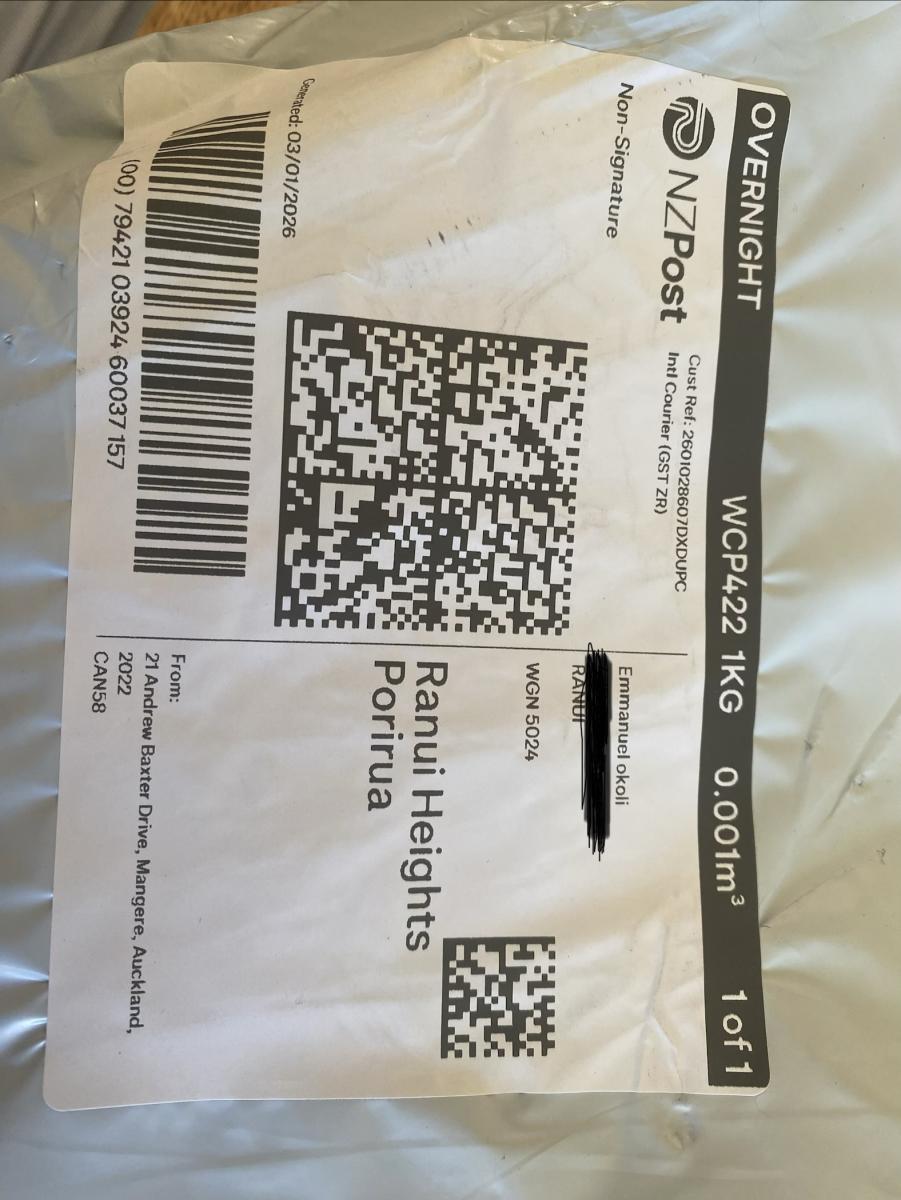
Is this your parcel?
Nz post just delivered this to my place
Right address but wrong name
tried to wave the courier driver down to no avail
If this is yours please message me

Today’s Mind-Bender is the Last of the Year! Can You Guess It Before Everyone Else? 🌟🎁🌲
I dance in the sky with green and gold, a spectacle few are lucky to behold; I’m best seen in the south, a celestial sight—what am I, lighting up the New Zealand night?
Do you think you know the answer? Simply 'Like' this post and we'll post the answer in the comments below at 2pm on the day!
Want to stop seeing these in your newsfeed? No worries! Simply head here and click once on the Following button.

Scamwatch: How to recognise, avoid and act against scams.
A scam or a fraud is any scheme designed to con you out of money or steal your personal information. If someone contacts you unexpectedly – whether over the phone, through the post, by email, on a website, in person or on social media – always consider the possibility that it may be a scam.
Scammers target lots of people, often for small amounts of money. They constantly evolve their approach making scams harder to spot. Most scams come from overseas, but they may pretend to be locally based — from a reputable company, bank, or government agency, or even from your friends on social media if your account has been hacked. It is very difficult to get your money back once it is sent overseas.
Scams hurt us all. You can protect yourself and others by learning how to spot scams, share what you see and report them.
Figure out if you are being scammed: Use these questions to help figure out if you have been targeted by a scammer.
Article compiled from information kindly supplied by ConsumerProtection.govt.nz
Q&A regarding Neighbourly data breach
 Loading…