





City’s recycling to be examined
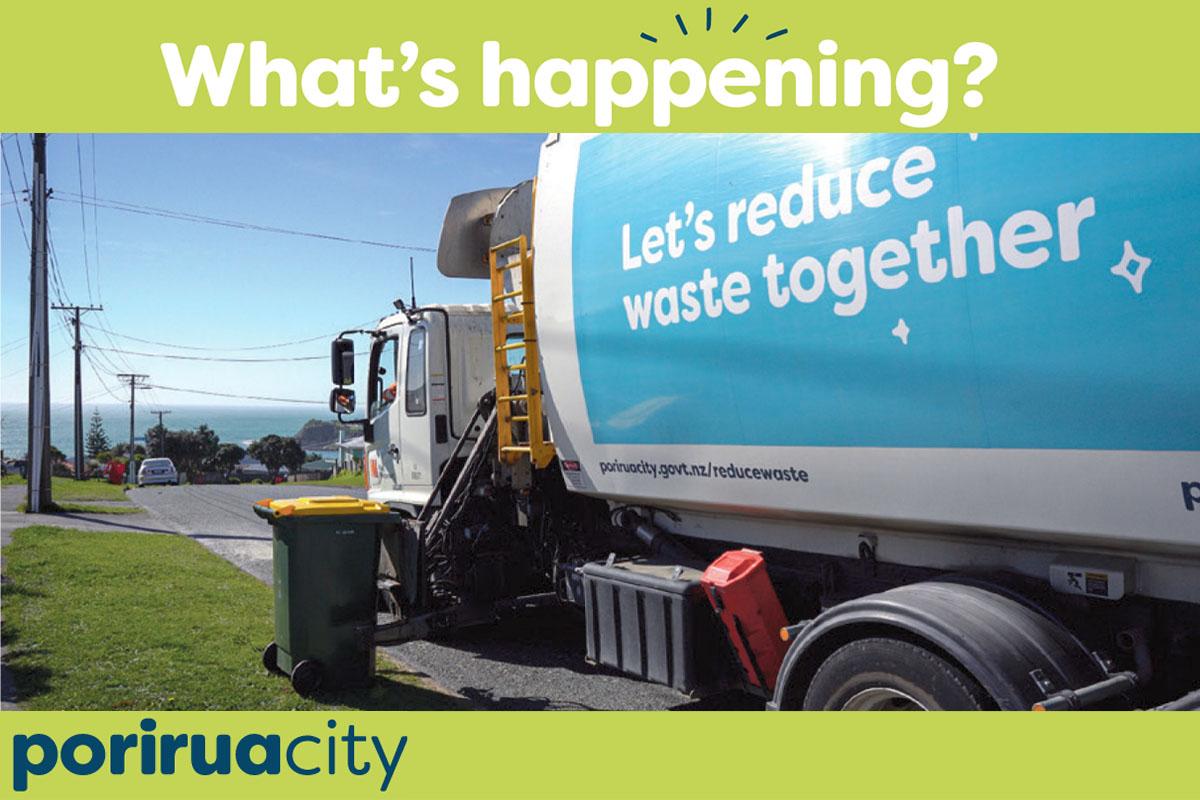
High contamination rates in Porirua’s kerbside recycling has prompted an initiative that will see “recycling ambassadors” checking recycling bin contents before collection.
Due to a rising level of contaminated items in the recycling – costing between $6000 and $8000 a month to remove – the ambassadors will be checking what’s being put out for collection.
A month-long audit starts next week and will gather information and data to help identify specific areas where Porirua’s high contamination levels are and target our education and support for those residents.
Following the audit we will be introducing a 3-Strikes process. This means that if we find nonrecyclable or contaminated items in your bin, you’ll get a sticker – if you receive three stickers, you could lose your bin.
Similar initiatives are occurring in other cities, including Hamilton, Christchurch and Dunedin, with positive behaviour changes being experienced and less loads ending up in the landfill.
The recycling industry relies on good quality, clean recyclable material, says David Down, Porirua’s Manager Water and Waste.
“Material is hand-sorted before it goes through the machines and we’re regularly seeing hazardous items such as dirty nappies, sanitary items, broken glass and rotting meat.”
“This is something we all need to do better – sending recycling to the landfill costs the city and the environment, and has health and safety implications for staff collecting the bins and at the sorting facility,” he says.
“We can all play our part by checking what’s in and what’s out. Clean and rinse your glass, plastics and cans, and remember not to put in lids or soft plastics.
“If we work together we can make a positive difference.”
A recycling ambassador is currently in place at the Bulk Recycling Facility at Spicer Landfill, and now we have a high quality of materials being made available for recycling, Mr Down says.
More detailed information on the 3-Strikes process will be delivered to households following the audit.
Follow: Facebook / Twitter
Visit: poriruacity.govt.nz
Call: (04) 237 5089

Poll: Should we ditch daylight saving? 🕰️
First introduced in New Zealand in 1927 with the passing of the Summer Time Act, it's what we know as 'Daylight Saving' and this year it ends on the first Sunday in April.
While we do get to sleep in this time around, some people would like to scrap the clock tinkering for good.
And why? Some evidence suggests the time changes are bad for our health as they mess with sleep patterns leading to short-term fatigue and affecting mood. Meanwhile the hour change is frustrating for farmers and a nightmare for getting the littlies to sleep. But what's your take?

-
40.8% Yes - get rid of the clock changes
-
57.4% No, I enjoy it
-
1.8% Other - I'll share below

Don't overthink this riddle...
I have a silver sole
but no feet,
I make my living by bringing the heat.
What am I?
Do you think you know the answer? Simply 'Like' this post if you know the answer and the big reveal will be posted in the comments at 2pm on the day!
Want to stop seeing these in your newsfeed?
Head here and hover on the Following button on the top right of the page (and it will show Unfollow) and then click it. If it is giving you the option to Follow, then you've successfully unfollowed the Riddles page.

We're taking the bus!
The number of Wellingtonians taking the bus and train rose by 3% last week compared to the same time last year, according to Metlink.
Not surprising given petrol prices at the moment. But if you're considering giving up your car commute for a leisurely bus ride in the mornings, it would be worth it.
It's about to get even easier: In April, e-pay will be launched, meaning you can tap on with your credit cards as well as smart devices.
It's better on the environment too: With most Metlink trains running on electricity, 25% of the bus fleet being EV’s and the Ika Rere electric ferry, Metlink is able to move more people using less fuel than any other transport option.
With fuel costs so high, it's a good idea to jump on board if you can. If you've become a public transport convert recently, how have you found it?

 Loading…