






Let’s clear this up
There’s good news and bad news when it comes to recycling in Porirua. The good news is we’ve seen an increase in our recycling collections which means more people are recycling, we can re-use more items and less items should be going to landfill. This is great for the environment.
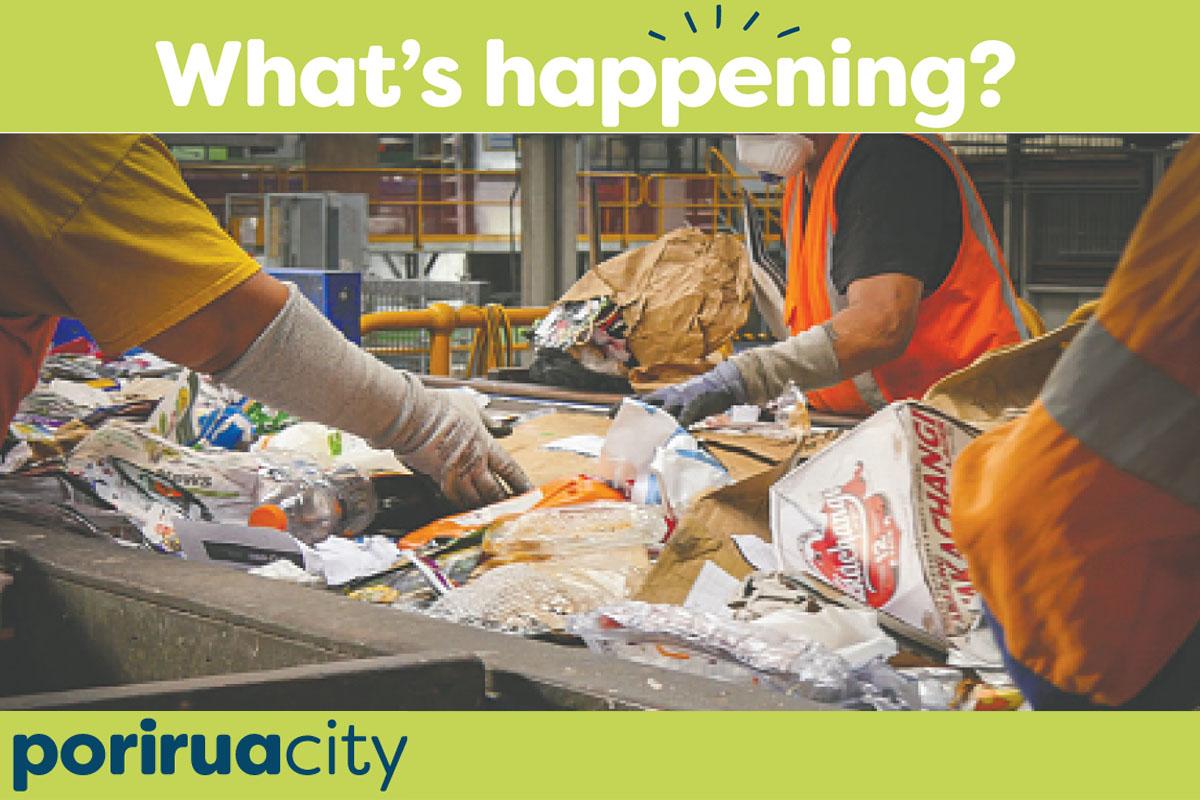
The bad news is that we’re also seeing more of the wrong things in our recycling collections that can’t be recycled. This is called recycling contamination and it can have an impact on the health and safety of hard-working recycling staff, who sort items by hand before it goes through the machines.
Staff safety is our top priority so, unfortunately, if there is too much contamination in a recycling load, we have no other choice but to send the whole truck load to landfill – which is disappointing for everyone involved.
Currently, the top five bad items/ contaminants in our recycling collections are:
• Used nappies and sanitary items
• Food and drink, including raw meat
• Metal items (including saucepans, coat hangers and electrical appliances)
• Hard plastics (not 1 and 2) such as takeaway containers, polystyrene and yoghurt pottles
• Soft plastics like chip packets, and other food wrappings.
Remember that our recycled waste has real value, it’s not rubbish. Our recycling gets sorted in Wellington and is mainly processed in New Zealand and re-used by businesses here, so it has a positive environmental and economic impact. We do need everyone’s help to do better.
Stick to the following basic rules and recycling is easy. The only things that should go in your mixed recycling bin are:
• Plastics with 1 or 2 on it (please don’t squash items)
• Aluminium or tin cans (tuck away sharp lids)
• Paper • Clean and dry cardboard. For glass recycling:
• Rinsed glass bottles and glass jars (but no lids).
Check our online recycling calendar to find out when to put your bins out and print a copy of your zone calendar at poriruacity.govt.nz/ recycling.

🪱🐦 When are you the most productive? 🌙🦉
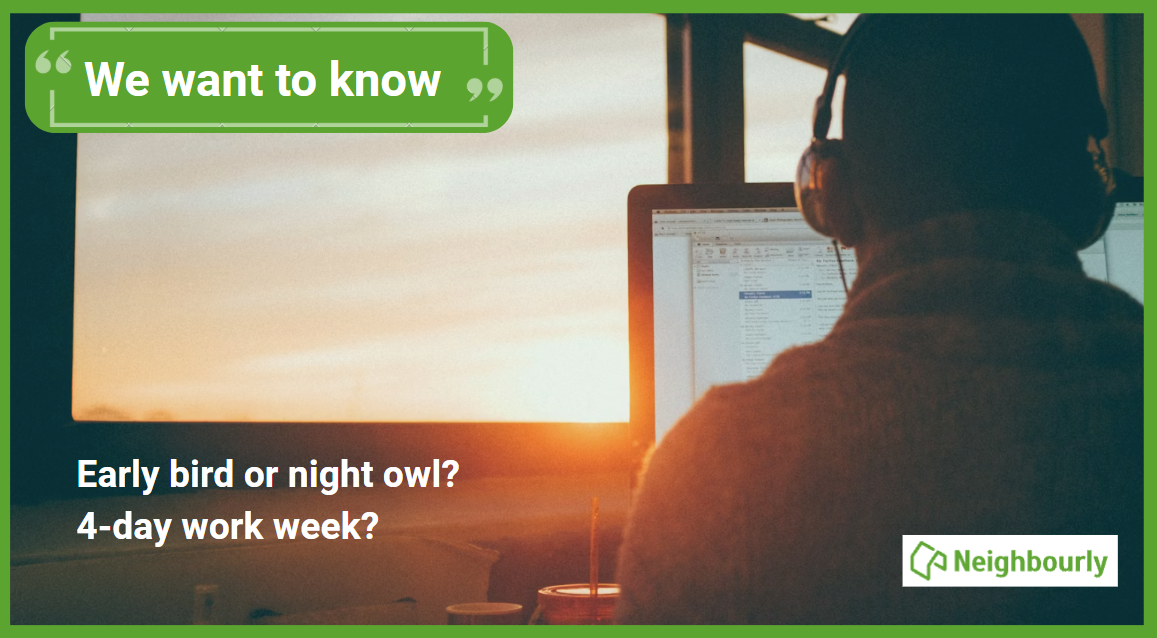
The Post has been diving into our daily habits, and research suggests being an early bird or a night owl isn’t just a choice—it’s biology! We all have that specific time when our brains finally "click" into gear.
This raises a big question for the modern workplace. To get the best out of everyone, should employers accommodate our natural body clocks? This idea is at the heart of the four-day work week and flexible scheduling movements.
We want to hear from you:
1. When does your brain "click" into gear?
2. Would a flexible (or shortened) schedule change the way you work?
Scam Alert: Bank cold calls
ASB is warning customers about reports of cold calls from scammers claiming to be from ASB. These scammers are trying to obtain personal information, including usernames, dates of birth, and verification codes sent to your mobile phone.
🛡️ The "Caller Check" Test
If you get a call from someone claiming to be from ASB and you’re unsure, just ask them for a Caller Check. You will then be able to verify the call through the app.
Remember, banks will:
❌ Never ask for your banking passwords, PINs, or verification codes
❌ Never need to know your full credit card number – especially the CVC
❌ Never ask you to download software or remotely access your device
❌ Never ask you to purchase gift cards or transfer funds.
If you have received a phone call and think your account has been compromised, call ASB on 0800 ASB FRAUD (0800 272 372), or visit your local branch.
Poll: Are you still heading to your local for your caffeine fix, or has the $$ changed your habits? ☕
Wellington’s identity is built on its cafe culture, but with costs climbing, that culture is under pressure. We’ve seen the headlines about recent closures, and it’s a tough pill to swallow along with a $6+ coffee.
We all want our favourite spots to stay open, but we also have to balance our own budgets ⚖️
We want to know: How are you handling the "coffee math" in 2026? Are you still heading to your local for a chat and a caffeine fix, or has the cost of living changed your habits?
Keen to read more about "coffee math"? The Post has you covered.

-
45.7% I avoid spending money on coffee
-
42.6% I still indulge at my local cafe
-
11.7% Irrelevant - coffee is not for me
 Loading…