






Teenager bringing high-speed internet to Upper Hutt
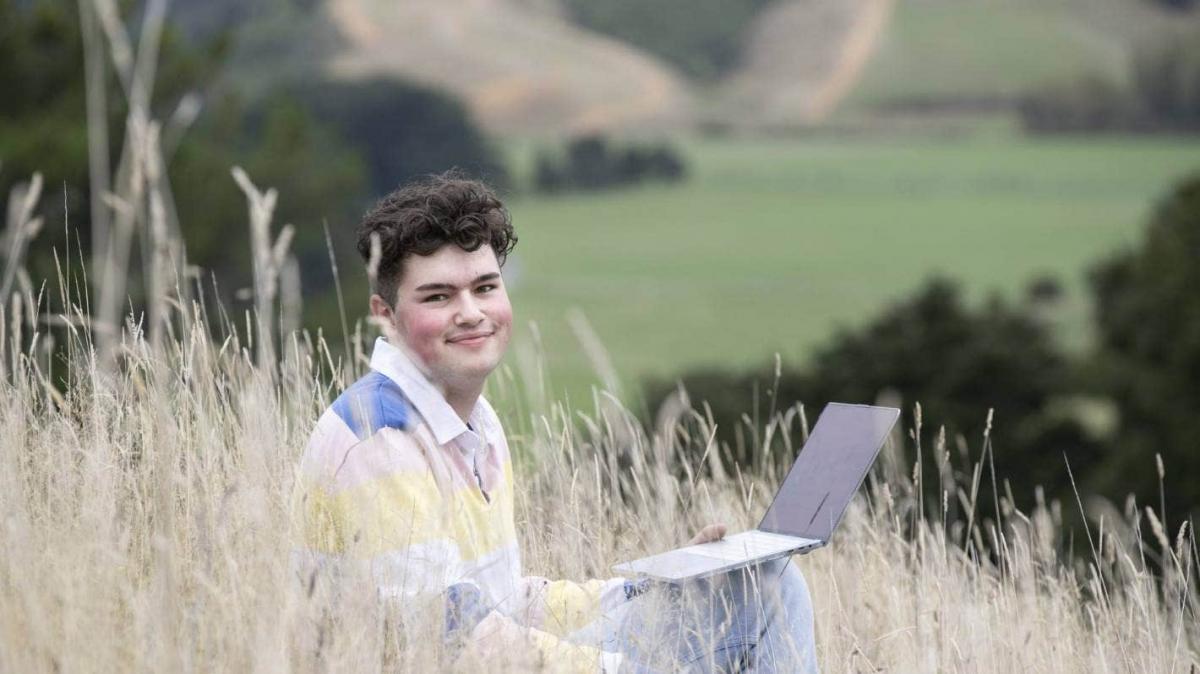
A company run by a 16-year-old which has brought high-speed internet access to hundreds of households in the Hutt Valley that have been “forgotten" by the big telcos is expanding its services to other parts of the country in a bid to help more residents in isolated areas get connected.
Alex Stewart came up with the idea for his business, WombatNET, when he was 13 and staying at the remote settlement of Turakina Beach, near Whanganui. Older people would often ask the tech-savvy teenager for help with their digital devices, and he soon realised how many people in the area were grappling with the same problem – unreliable and slow internet access.
After doing some research, he discovered that while it was relatively straightforward to connect properties to the fixed wireless broadband network using radio waves transmitted by towers, large internet providers often seemed reluctant to do so because it could be more expensive than using cables. So Stewart decided to meet the need himself.
In early 2020, WombatNET put up its first tower on private land just outside Upper Hutt. Since then, the company has built another 10 around Mangaroa and Whitemans Valley.
With demand for the service growing quickly through online and social media marketing and word of mouth, and as more people began to work from home amid the Covid-19 pandemic, Stewart was struggling to juggle running a start-up with his school work.

Poll: Are you still heading to your local for your caffeine fix, or has the $$ changed your habits? ☕
Wellington’s identity is built on its cafe culture, but with costs climbing, that culture is under pressure. We’ve seen the headlines about recent closures, and it’s a tough pill to swallow along with a $6+ coffee.
We all want our favourite spots to stay open, but we also have to balance our own budgets ⚖️
We want to know: How are you handling the "coffee math" in 2026? Are you still heading to your local for a chat and a caffeine fix, or has the cost of living changed your habits?
Keen to read more about "coffee math"? The Post has you covered.

-
45.7% I avoid spending money on coffee
-
42.3% I still indulge at my local cafe
-
12% Irrelevant - coffee is not for me

🌉🛶 Early Birds Might Crack This One First… or Not? 🥚🧠
A person is crossing a bridge and sees a boat full of people, yet there isn't a single person on board.
How is this possible?
(Susan from Massey kindly provided this head-scratcher ... thanks, Susan!)
Do you think you know the answer? Simply 'Like' this post if you know the answer and the big reveal will be posted in the comments at 2pm on the day!
Want to stop seeing these in your newsfeed?
Head here and hover on the Following button on the top right of the page (and it will show Unfollow) and then click it. If it is giving you the option to Follow, then you've successfully unfollowed the Riddles page.

🪱🐦 When are you the most productive? 🌙🦉
The Post has been diving into our daily habits, and research suggests being an early bird or a night owl isn’t just a choice—it’s biology! We all have that specific time when our brains finally "click" into gear.
This raises a big question for the modern workplace. To get the best out of everyone, should employers accommodate our natural body clocks? This idea is at the heart of the four-day work week and flexible scheduling movements.
We want to hear from you:
1. When does your brain "click" into gear?
2. Would a flexible (or shortened) schedule change the way you work?
 Loading…