






Acid Test For Firth Fisheries
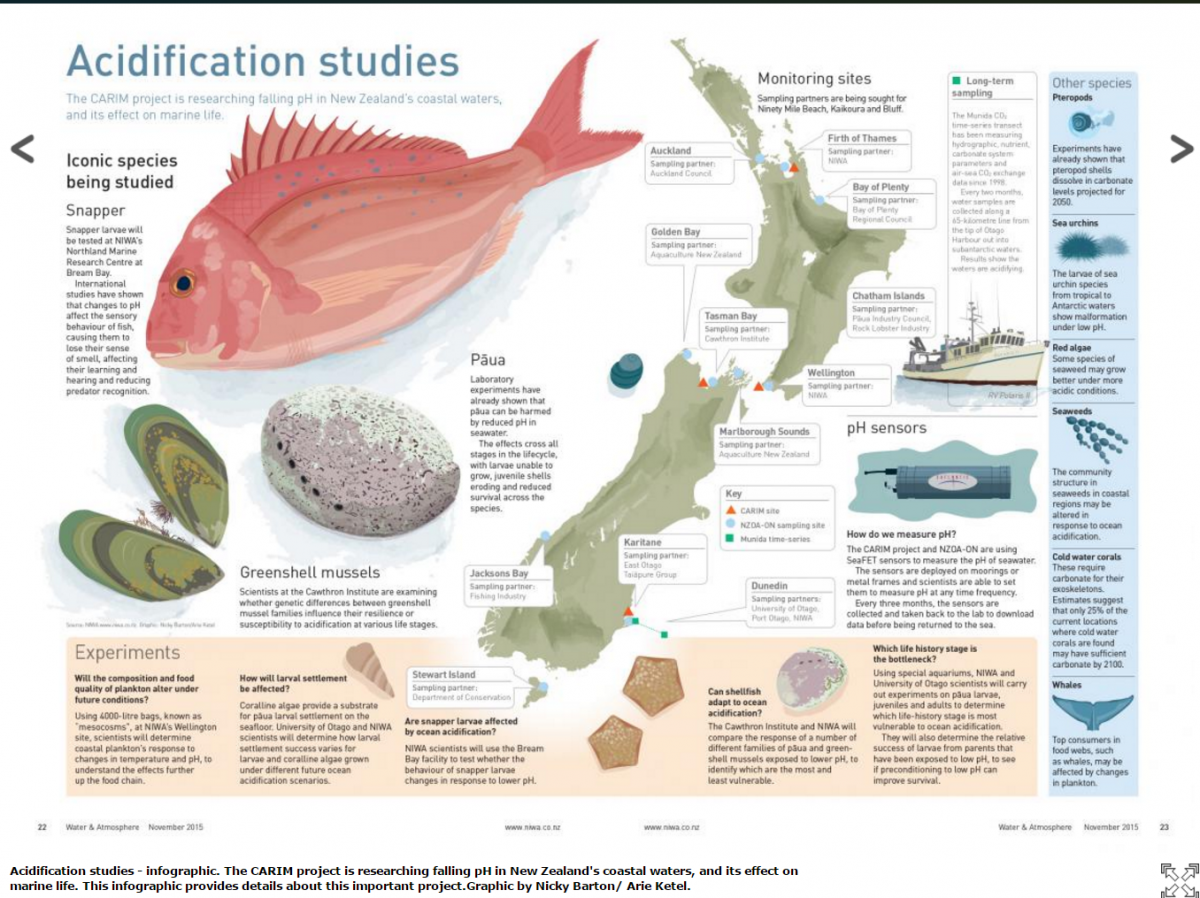
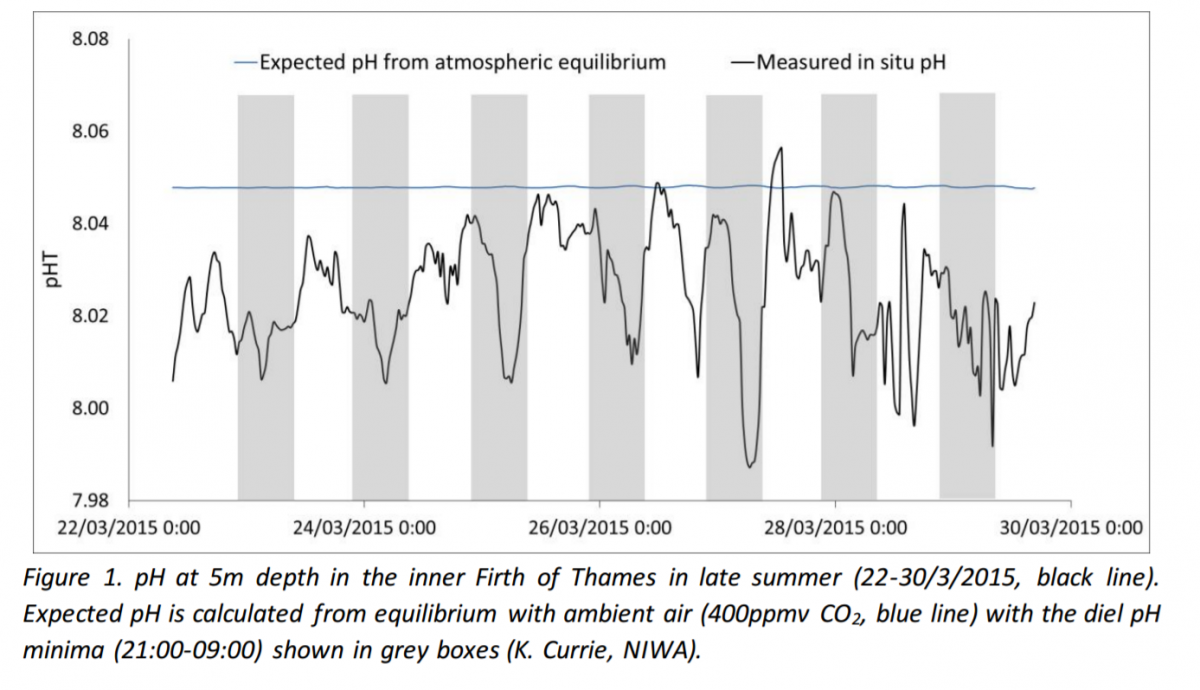
Acidification of the ocean due mostly to fossil-fuelled CO2 emissions could have devastating effects on the aquaculture and fish-food industries, and recreational fishing in the Firth of Thames.
So far the oceans have taken up more than a third of the CO2 we’ve been pumping into the air, and as a result the water is becoming more acidic. Many marine experts rank ocean acidification as the most serious threat to New Zealand’s marine habitats.
This excess carbon dioxide can dissolve the shells of mussels and oysters, and harm plankton that is at the base of the food chain. Higher acidity can cause the larvae of some fish such as snapper to lose their sense of direction, become more reckless and at risk from predators. Squid, kina, paua, and crayfish are also directly at risk from acidification. Harm caused lower in the food chain will ultimately affect other fish species and marine mammals.
teggtalk.wordpress.com...


Poll: Should the government levy industries that contribute to financial hardship?
As reported in the Post, there’s a $30 million funding gap in financial mentoring. This has led to services closing and mentors stepping in unpaid just to keep helping people in need 🪙💰🪙
One proposed solution? Small levies on industries that profit from financial hardship — like banks, casinos, and similar companies.
So we want to hear what you think:
Should the government ask these industries to contribute?

-
60.6% Yes, supporting people is important!
-
23.5% No, individuals should take responsibility
-
15.9% ... It is complicated

A Neighbourly Riddle! Don’t Overthink It… Or Do?😜
Do you think you know the answer? Simply 'Like' this post if you know the answer and the big reveal will be posted in the comments at 2pm on the day!
If you multiply this number by any other number, the answer will always be the same. What number is this?

Poll: As a customer, what do you think about automation?
The Press investigates the growing reliance on your unpaid labour.
Automation (or the “unpaid shift”) is often described as efficient ... but it tends to benefit employers more than consumers.
We want to know: What do you think about automation?
Are you for, or against?
-
9.7% For. Self-service is less frustrating and convenient.
-
43.2% I want to be able to choose.
-
47.1% Against. I want to deal with people.
 Loading…