





Jumping for Jute!
Jute is a natural fibre with golden & silky shine, and hence nicknamed as The Golden Fibre.
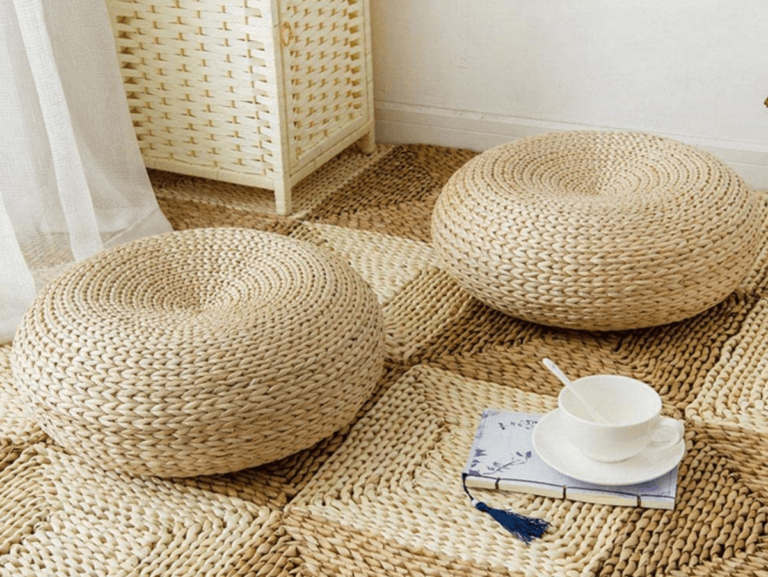
Jute is one of the most versatile natural fibres that has been used in raw materials for packaging, textiles, non-textile, and agricultural sectors.
Jute is a vegetable plant whose fibres are dried in long strips, and it’s one of the cheapest natural materials available; together with cotton, it is one of the most frequently used.
The plants from which jute is obtained grow mainly in warm and humid regions, such as Bangladesh, China, and India.
Jute can be grown year-round and is harvested every six months. It can take decades to produce the same volume of wood fibre and it requires much larger tracts of land to cultivate.
The woody core of the jute plant, called hurd, has thousands of potential industrial and commercial uses. As an alternative to wood, hurd is capable of meeting most of the world’s demand for wood and wood products. Using hurd and jute fibres means that the level of deforestation to meet the current demand for paper and wood could be significantly decreased if they were used as an alternative.
Jute is 100% biodegradable (it degrades biologically in 1 to 2 years), low-energy recyclable, and can even be used as compost for the garden. It is clear in terms of reusability and recyclability that jute bags are one of the best options available nowadays.
Jute fibres are tougher and more resilient than paper made from wood pulp and can withstand prolonged exposure to water and weather. They can be reused many times and are thus very environmentally friendly.
The application of jute is a significant step in combating the use of different materials containing toxic wastes. Jute bags cut down the employment of plastic bags, which have now been effectively banned in many countries due to their harmful components. Jute seems to be one of the best alternatives to it.
We hope you enjoyed learning about Jute as much as we did, we would love to hear your comments! We have more interesting reads on our blog: www.curtainclean.co.nz...

Poll: 🤖 What skills do you think give a CV the ultimate edge in a robot-filled workplace?
The Reserve Bank has shared some pretty blunt advice: there’s no such thing as a “safe” job anymore 🛟😑
Robots are stepping into repetitive roles in factories, plants and warehouses. AI is taking care of the admin tasks that once filled many mid-level office jobs.
We want to know: As the world evolves, what skills do you think give a CV the ultimate edge in a robot-filled workplace?
Want to read more? The Press has you covered!

-
52.5% Human-centred experience and communication
-
14.7% Critical thinking
-
30.1% Resilience and adaptability
-
2.7% Other - I will share below!

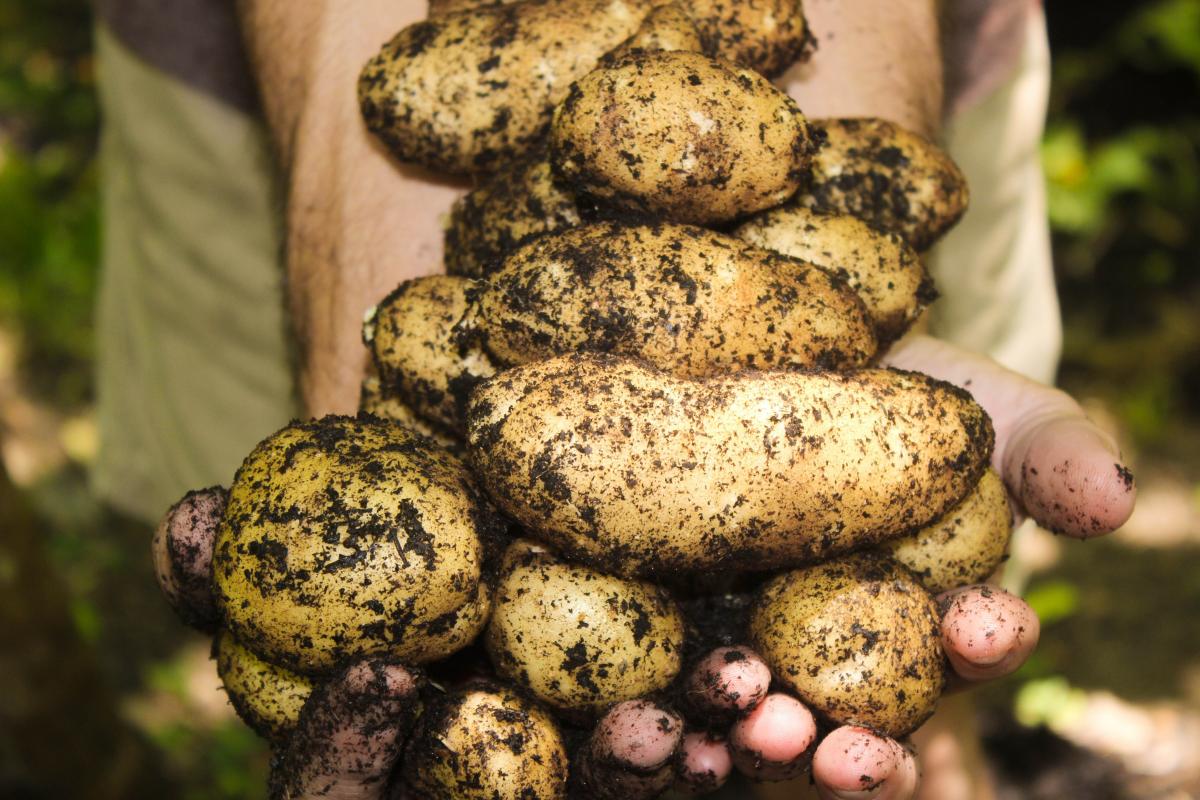
Share your favourite main crop potato recipe and win a copy of our mag!
Love potatoes? We will give away free copies of the May 2026 issue to readers whose potato recipes are used in our magazine. To be in the running, make sure you email your family's favourite way to enjoy potatoes: mailbox@nzgardener.co.nz, by March 1, 2026.

Some Choice News!
DOC is rolling out a new tool to help figure out what to tackle first when it comes to protecting our threatened species and the things putting them at risk.
Why does this matter? As Nikki Macdonald from The Post points out, we’re a country with around 4,400 threatened species. With limited time and funding, conservation has always meant making tough calls about what gets attention first.
For the first time, DOC has put real numbers around what it would take to do everything needed to properly safeguard our unique natural environment. The new BioInvest tool shows the scale of the challenge: 310,177 actions across 28,007 sites.
Now that we can see the full picture, it brings the big question into focus: how much do we, as Kiwis, truly value protecting nature — and what are we prepared to invest to make it happen?
We hope this brings a smile!

 Loading…