





How to Look After Your Upholstery
In this blog we discuss the most common upholstery problems that can arise in use. We will break each problem down, looking at what it is, the likely cause and recommended remedies and solutions to avoid future reoccurrence.
CROCKING:
What is it? Crocking is the term used to describe the transfer of excess dye from one surface to another due to rubbing and friction. The issue is increased by certain atmospheric conditions such as humidity and temperature.
Likely cause: In a situation where the dye is transferring out of the upholstery fabric (for instance a red fabric is turning pink) it will usually be a result of either poor quality dyes used during textile manufacturing or that the dyes were not set correctly during the dyeing and finishing process. Crocking can also occur when dye is transferred from an outside source onto the upholstery fabric, for instance a pair of new jeans can transfer blue dye on to your sofa giving it a grubby appearance.
Remedy: The key thing to establish with crocking is whether the discolouration is due to dye transferring out of your upholstery fabric or on to it from an external source. If it is transferring out of the fabric then it is important to check that some substance e.g. a solvent based product, has not come into contact with the fabric and affected the dyes. If all of the above can be ruled out then a genuine fabric issue may be the cause and the fabric will need to be replaced from another batch or alternative fabric
FADING:
What is it? Discolouration or lightening of the dye in a fabric due to exposure to ultraviolet light. Constant exposure to high levels of direct ultraviolet light can also result in fibre degradation, causing the fabric fibres to become brittle, which may result in areas of breakage.
Likely Cause: It is important to note that no fabric is 100% colourfast (resistant to fading), however discolouration can generally be attributed to the use of poor-quality dyes during fabric manufacturing or due to constant direct exposure to ultraviolet light with inadequate protection. Ironically ultraviolet damage occurs more during the winter months when the sun is sitting lower in the sky and sunfilters/curtains are often left open during the day to increase light flow into a room.
Remedy: Once an upholstery fabric has faded there is nothing that can be done to reverse the issue other than recovering the affected piece of furniture. It is therefore very important that furniture is positioned to protect it from constant direct sunlight and of course the use of quality sun-filters and lined curtains at the window will help to reduce your furniture’s exposure to harmful UV light. Regular rotation of reversible cushions is advisable so that both fading and wear occur evenly. We also recommend rotating the placement of your furniture in relation to exposed windows for the same reason.
Keep reading: www.curtainclean.co.nz...


Some Choice News!
DOC is rolling out a new tool to help figure out what to tackle first when it comes to protecting our threatened species and the things putting them at risk.
Why does this matter? As Nikki Macdonald from The Post points out, we’re a country with around 4,400 threatened species. With limited time and funding, conservation has always meant making tough calls about what gets attention first.
For the first time, DOC has put real numbers around what it would take to do everything needed to properly safeguard our unique natural environment. The new BioInvest tool shows the scale of the challenge: 310,177 actions across 28,007 sites.
Now that we can see the full picture, it brings the big question into focus: how much do we, as Kiwis, truly value protecting nature — and what are we prepared to invest to make it happen?
We hope this brings a smile!

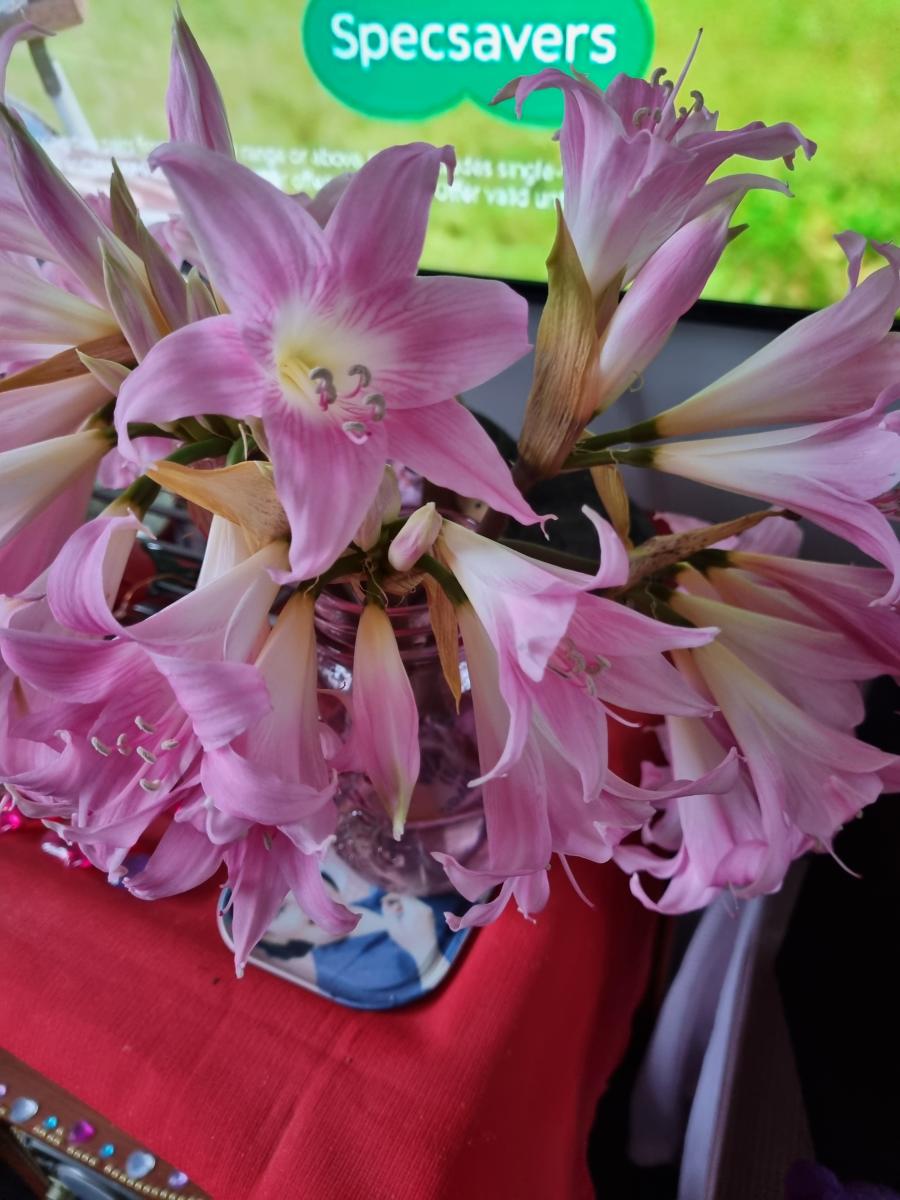
Flower knowledge
Hi , does anyone know the name of this flower Has a bulb for each flower Only one flower from each bulb flower once a year Love them but dont know what they are Thank you

Have you got New Zealand's best shed? Show us and win!
Once again, Resene and NZ Gardener are on the hunt for New Zealand’s best shed! Send in the photos and the stories behind your man caves, she sheds, clever upcycled spaces, potty potting sheds and colourful chicken coops. The Resene Shed of the Year 2026 winner receives $1000 Resene ColorShop voucher, a $908 large Vegepod Starter Pack and a one-year subscription to NZ Gardener. To enter, tell us in writing (no more than 500 words) why your garden shed is New Zealand’s best, and send up to five high-quality photos by email to mailbox@nzgardener.co.nz. Entries close February 23, 2026.

 Loading…