





A thoughtful piece from David Slack on his @substack.com
On Instagram, Rachel wrote:
Just learnt my new landlord has over 50 houses in this suburb. This is one of the big problems here in NZ.
For every heartfelt lament, there’s a mainsplainer waiting to put you right. I won’t name the guy, it’s the argument I want to explore. He wrote:
What's the problem? He provides housing that you rent. What exactly is the issue apart from your own jealousy?
Jealousy. Right. Rachel's sitting there thinking, Gee, if only I too could own 50 houses and extract rent from my fellow citizens. Then I'd be happy.
It’s not jealousy. It's the lament that we’re now living in a country where home ownership is becoming a hereditary privilege, where young families pay 60% of their income to service someone else's retirement fund.
The landlord with 50 houses may tell you he's providing an essential service, that he's housing New Zealand.
Yes, but also: nope. The houses were there already. What he’s done is insert himself between the houses and the people who might have owned them, collecting a toll for the privilege.
You buy a house. You buy a second. In 10 years those houses have doubled in value. Tax-free money. You leverage that equity into four more houses. Then eight. Then sixteen. Each purchase by someone like you helps to push the market that little bit higher, which makes your portfolio that little bit worth more, which means you can borrow more, which means you can buy more, which means prices go that bit higher, which means...
Meanwhile, actual productive businesses, the ones that make things, export things, employ people in jobs that don't involve collecting rent, they're gasping for capital like fish on a dock. Why would anyone invest in a risky venture when you could just buy another house and wait for the magic to happen?
There's a difference between a rental market and a rentier economy, between providing options and hoarding necessities. There's a difference between success through creation and success through extraction.
We've built an entire economy on the principle that houses should be investments first and homes second. We wonder why the young ones are leaving for Australia.

Some Choice News!
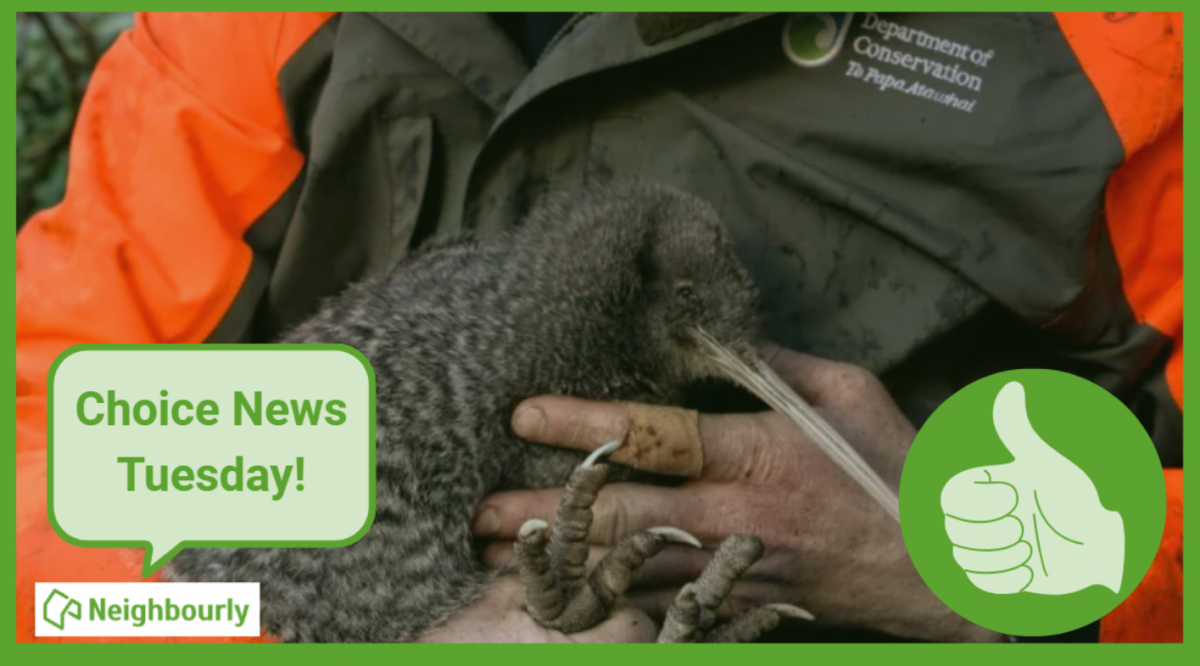
DOC is rolling out a new tool to help figure out what to tackle first when it comes to protecting our threatened species and the things putting them at risk.
Why does this matter? As Nikki Macdonald from The Post points out, we’re a country with around 4,400 threatened species. With limited time and funding, conservation has always meant making tough calls about what gets attention first.
For the first time, DOC has put real numbers around what it would take to do everything needed to properly safeguard our unique natural environment. The new BioInvest tool shows the scale of the challenge: 310,177 actions across 28,007 sites.
Now that we can see the full picture, it brings the big question into focus: how much do we, as Kiwis, truly value protecting nature — and what are we prepared to invest to make it happen?
We hope this brings a smile!

Poll: 🤖 What skills do you think give a CV the ultimate edge in a robot-filled workplace?
The Reserve Bank has shared some pretty blunt advice: there’s no such thing as a “safe” job anymore 🛟😑
Robots are stepping into repetitive roles in factories, plants and warehouses. AI is taking care of the admin tasks that once filled many mid-level office jobs.
We want to know: As the world evolves, what skills do you think give a CV the ultimate edge in a robot-filled workplace?
Want to read more? The Press has you covered!
-
52.6% Human-centred experience and communication
-
14.7% Critical thinking
-
29.9% Resilience and adaptability
-
2.7% Other - I will share below!

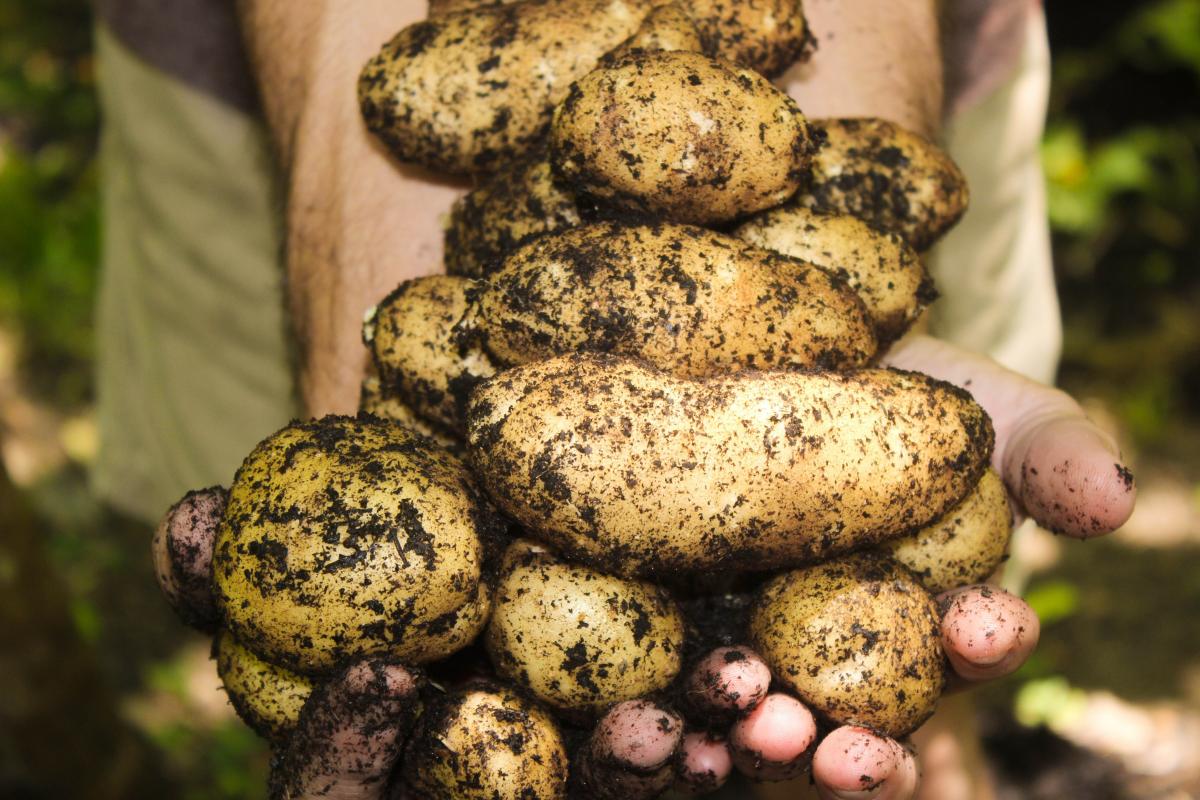
Share your favourite main crop potato recipe and win a copy of our mag!
Love potatoes? We will give away free copies of the May 2026 issue to readers whose potato recipes are used in our magazine. To be in the running, make sure you email your family's favourite way to enjoy potatoes: mailbox@nzgardener.co.nz, by March 1, 2026.
 Loading…