




Cleaning 'Hacks' that Actually Make Things Worse
When it comes to cleaning there are tried and tested hacks you can rely on to make sure your house is spotless.
However, according to Good Housekeeping Institute there are some widely known household hints that are actually causing more harm than good.
While some hacks can make cleaning easier, the experts say you can’t believe everything you have heard will work – like using salt to lift red wine, immediately pouring water on carpet stains, or using vinegar as a makeshift cleaning product.
Here we have revealed which of the well-known hacks could make your clean-up job harder, not easier…
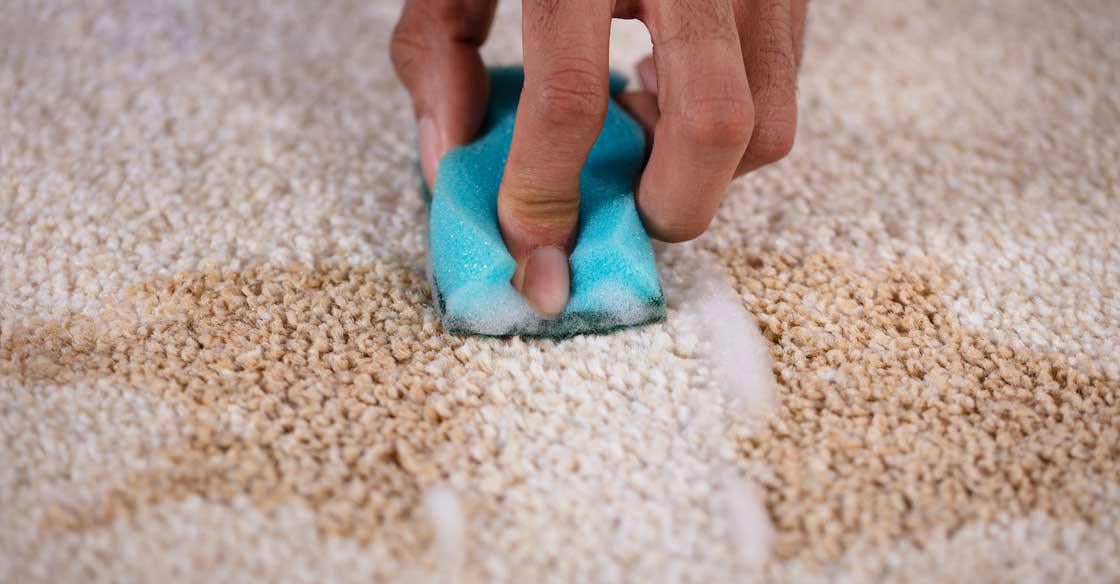
Don’t pour water on carpet stains: It may seem like logic to use water to mop up a spill, but there’s a danger that adding more liquid can over saturate a stain.
The excess water could cause long-lasting damage – soaking through the carpet fibres and into floorboards.
Good Housekeeping says that patience is key and advises gently blotting out as much of the stain as possible, then follow with a “light spritz of sparkling or soda water to rinse followed by more blotting”.
A clean dry cloth or paper towel is all that’s needed, and to make sure the stain doesn’t remain use a special removal cleaner.
Forget reaching for the salt for a red wine stain: There’s nothing worse than red wine splashing on your plush carpets – but don’t go reaching for the salt to try and soak it up.
Salt can lift the colour out of the carpet, but the consumer experts say that it can actually ‘set the stain’ because of the abrasive nature of the substance.
There’s also a risk that salt grains can stick in the carpet and become a dirt magnet for everything else.
Using vinegar as an all-purpose solution: While vinegar is regularly counted as an all-natural cleaner and can tackle grease and mould, the kitchen cupboard staple does contain acid and is abrasive.
The acid can affect wood and natural stone, so Good Housekeeping suggests keeping it away from marble counter tops or tiles.
Keep window cleaner away from your computer: The ingredients in a regular window cleaner can permanently damage a computer screen if used to shift marks.
According to the consumer site the ammonia and alcohol mixture used to remove stubborn stains on a window can actually strip anti-reflective coatings off screens, as well as cause clouding.
It advises using a microfibre cloth with a specialist LCD or plasma screen cleaner with no alcohol.

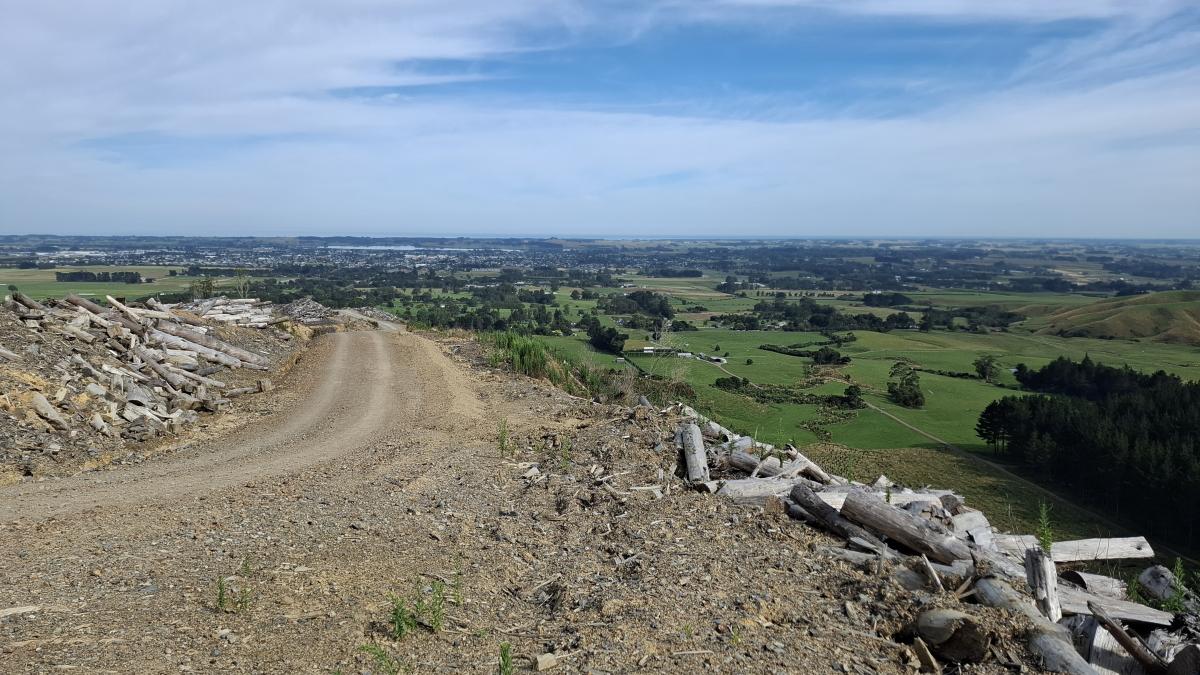
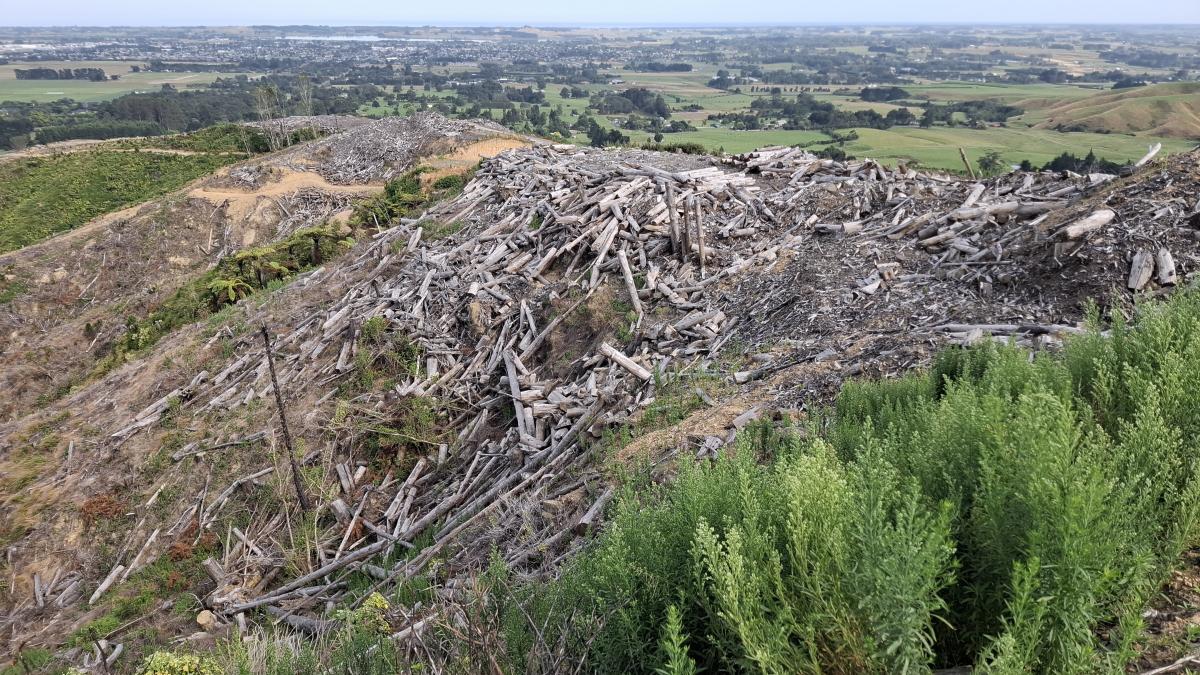
SLASH BESIDE THE TRACK UP TO TRIG
I question the wisdom and the morality of an industry which creates so much waste, waste which is also a cause of widespread and devastating damage. So, I searched the internet for potential uses of slash. It was easy to find.
I recommend a visit to nzbioforestry.co.nz. I quote from the website:
OUR SOLUTION:
NZ Bio Forestry proposes to develop a sustainable renewable forestry model that increases the economic value of the NZ- Aotearoa forestry sector, simply by integrating bio-technologies augmenting the forestry, wood manufacturing, and petrochemistry industries into one model.
Specifically, our strategy is to utilise the whole tree and convert the tree’s sugars into bioenergy, biomaterials, and biochemicals. This means using slash, off cuts, pruning, and wood waste to produce biofuel via bio pellets and biochemicals. It means optimising logs through the whole process….logging, manufacturing freighting, and refining process to serve the many Asia-Pacific markets with high-value products….not just exporting raw logs to one or two large dominant markets! (End of quote)
NZ Bio Forestry then contrasts the financial return from the present exports of raw logs with the potential return from utilising the WHOLE TREE.
In US dollars, the return from exporting logs is between $50 - $140 per log.
Using the whole tree including the slash and other waste for wood processing would return $200 - $800 per tree, and,
Using the bio-refinery process to convert the wood waste into fossil-free biochemicals would return $2,500 - $11,200 per tree.
I can’t help but conclude that our current focus on exporting logs is a pitiful failure of industry and government policy compared with the potential benefits of processing THE WHOLE TREE. And to complete the argument, this not just theory. In Scandinavia, SCA, which owns Europe’s largest private forest with 2.7 million hectares, has built a well-invested value chain that maximises the value of each individual tree and all of the forestry’s resources.
A SUMMARY OF POTENTIAL ADDITIONAL PRODUCTS:
Wood Pellets and Chips: Slash can be collected, dried, and processed into hog fuel or wood pellets for use in industrial boilers, as a replacement for coal, to generate heat and electricity.
Biofuel Production: Research is underway to convert forest residues into marine biofuel to help decarbonize the shipping sector.
Gasification: Advanced, small-scale, on-site processing plants can turn slash into renewable energy products like bio-oil, ethanol, and hydrogen.
Biochemicals: Specialized refineries can convert woody waste into sustainable alternatives to plastics, chemicals, and industrial products.
WAKE UP Aotearoa, New Zealand!!!

🧩😏 Riddle me this, Neighbours…
I am an odd number. Take away a letter and I become even. What number am I?
Do you think you know the answer?
Want to stop seeing these in your newsfeed? No worries! Simply head here and click once on the Following button.

Scam Alert: Bank cold calls
ASB is warning customers about reports of cold calls from scammers claiming to be from ASB. These scammers are trying to obtain personal information, including usernames, dates of birth, and verification codes sent to your mobile phone.
🛡️ The "Caller Check" Test
If you get a call from someone claiming to be from ASB and you’re unsure, just ask them for a Caller Check. You will then be able to verify the call through the app.
Remember, banks will:
❌ Never ask for your banking passwords, PINs, or verification codes
❌ Never need to know your full credit card number – especially the CVC
❌ Never ask you to download software or remotely access your device
❌ Never ask you to purchase gift cards or transfer funds.
If you have received a phone call and think your account has been compromised, call ASB on 0800 ASB FRAUD (0800 272 372), or visit your local branch.
 Loading…