





A Beginners Guide to Curtain Tassels, Trims, Pelmets & Tiebacks
It’s no secret that curtains can make or break a room. The colours, patterns and style are an essential part of trying a room together and creating a particular mood. However, there’s more to a perfect curtain than just the fabric and cut. As interior design trends move away from clean, minimalistic Scandinavian styles - no curtain is complete without a tassel, trims, pelmet or tieback. In 2021, it’s all about more glamorous styles like Modern Luxe and Modern Classic. Feeling confused? Don’t worry, we’ve put together a beginner’s guide on all these finishing touches so you can make the right choice for your curtain style. Read on to find out more!
Tassels
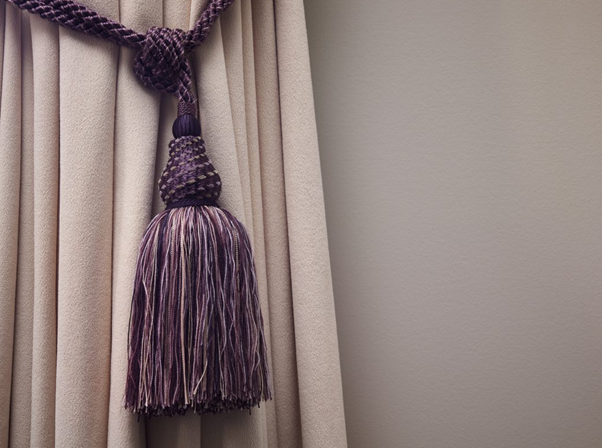
Tassels are an elegant cluster of strings or cords that are clumped together at one end and hang free at the other. Suitable for curtains rather than blinds, these finishing features are actually a practical decoration. The tassel’s shape acts as a weight at the bottom of the cord which helps keep the curtains pulled back without the need for bulky knots. Tassel’s come in a variety of colours and styles to suit any decor. However, they are on the flashier end of curtain finishings, so they’d best suit a living room or bedroom.
Trims
So, you’ve selected a style of curtain that sounds your decor - now it’s time to choose a trim. Trims refers to the decorative elements that add a touch of ornateness to your curtains, and the sky’s the limit when it comes to style, pattern, colour and embellishments. Types of trim include:
Valances
You’ve heard of valances on beds, but when it comes to curtains and blinds a valance refers to the fabric or panel added above a window. Typically, valances are used to hide a rod or track and add a touch of chic to any room. The style options are endless - you can add embellishments like beads or pom-poms. However, avoid adding anything to the sides of your roller blinds, though, as this can become entangled in the roller blind mechanism at the top and prevent them from rolling and unrolling properly.
Fringes
Take a close look at the strings that hang from the bottom of a curtain tie back or are on the edge of a blanket - that’s a fringe. They’re typically attached to the bottom of curtains, under pelmet or on valances.
Keep reading: www.curtainclean.co.nz...


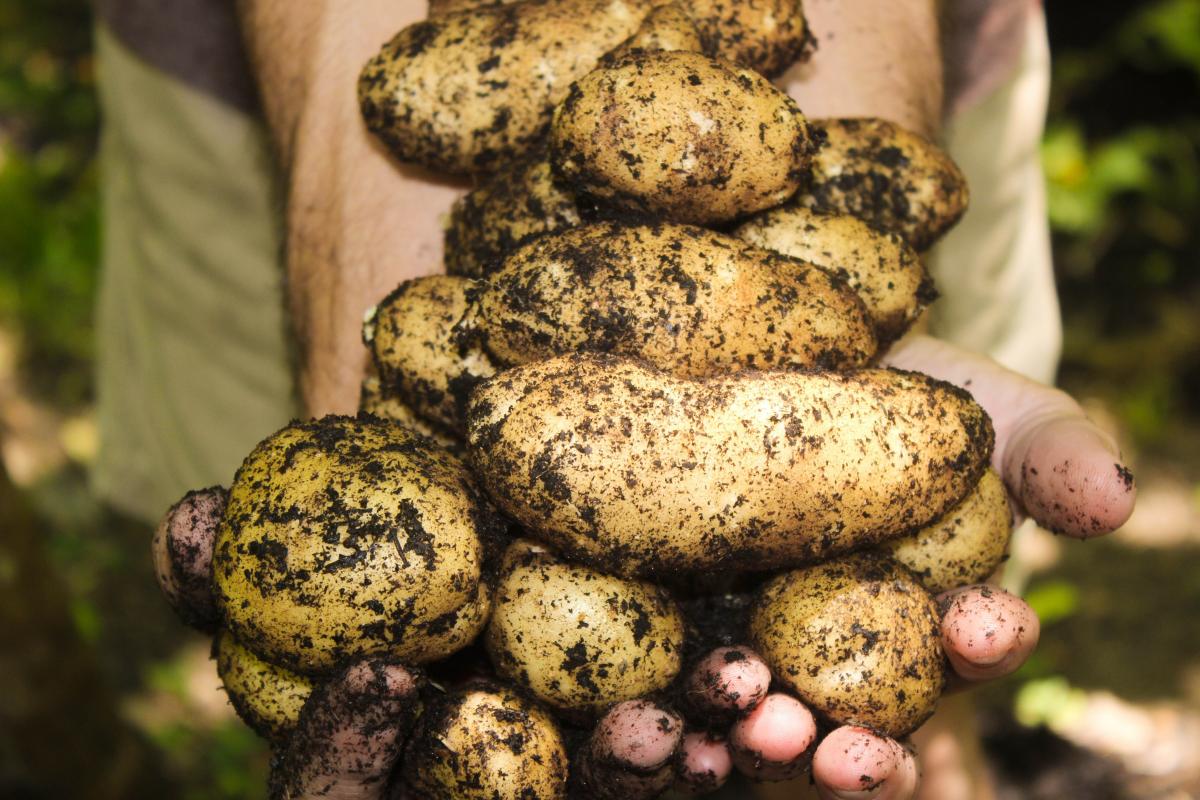
Share your favourite main crop potato recipe and win a copy of our mag!
Love potatoes? We will give away free copies of the May 2026 issue to readers whose potato recipes are used in our magazine. To be in the running, make sure you email your family's favourite way to enjoy potatoes: mailbox@nzgardener.co.nz, by March 1, 2026.

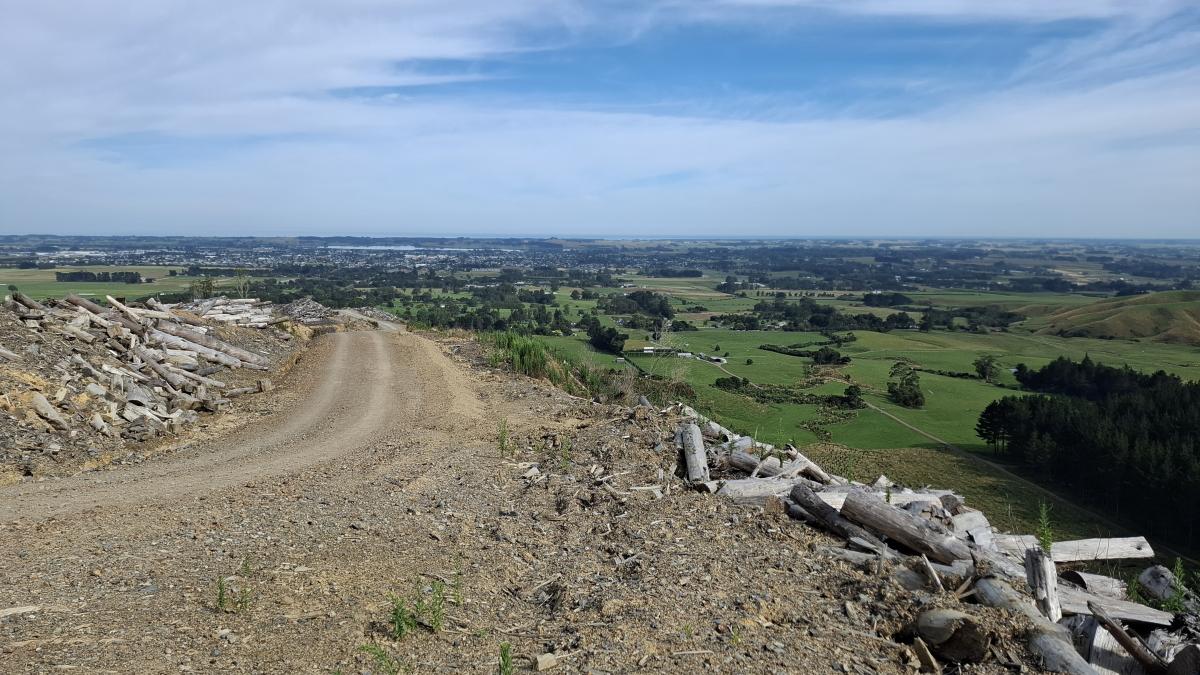
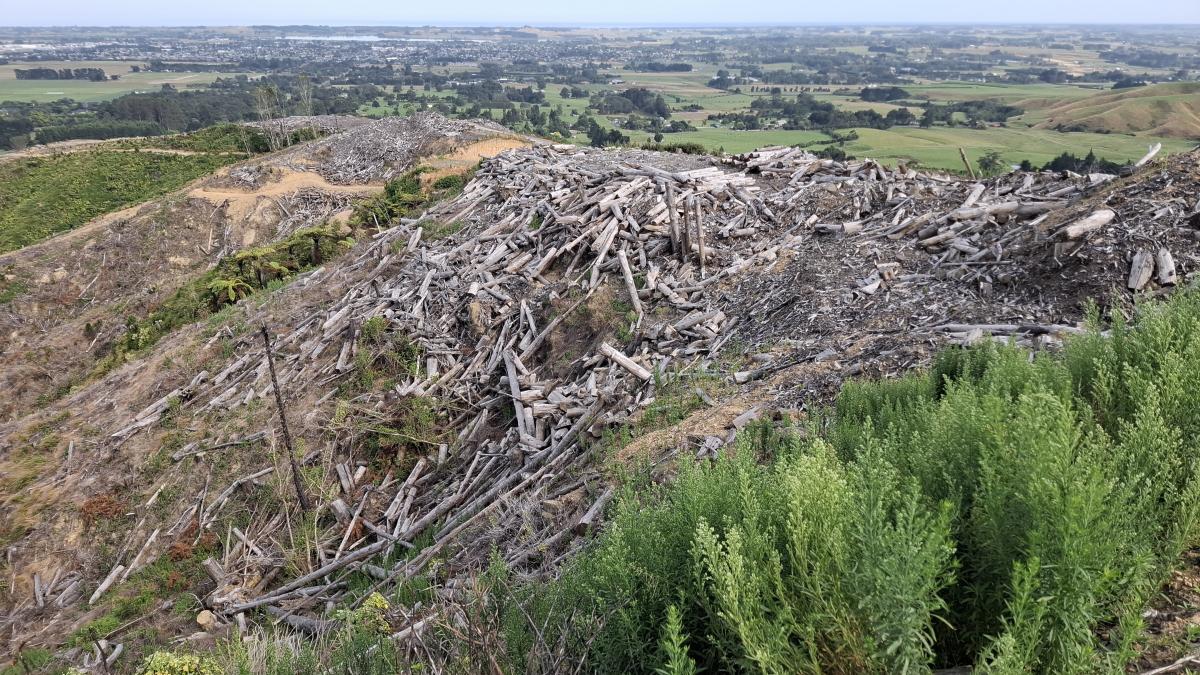
SLASH BESIDE THE TRACK UP TO TRIG
I question the wisdom and the morality of an industry which creates so much waste, waste which is also a cause of widespread and devastating damage. So, I searched the internet for potential uses of slash. It was easy to find.
I recommend a visit to nzbioforestry.co.nz. I quote from the website:
OUR SOLUTION:
NZ Bio Forestry proposes to develop a sustainable renewable forestry model that increases the economic value of the NZ- Aotearoa forestry sector, simply by integrating bio-technologies augmenting the forestry, wood manufacturing, and petrochemistry industries into one model.
Specifically, our strategy is to utilise the whole tree and convert the tree’s sugars into bioenergy, biomaterials, and biochemicals. This means using slash, off cuts, pruning, and wood waste to produce biofuel via bio pellets and biochemicals. It means optimising logs through the whole process….logging, manufacturing freighting, and refining process to serve the many Asia-Pacific markets with high-value products….not just exporting raw logs to one or two large dominant markets! (End of quote)
NZ Bio Forestry then contrasts the financial return from the present exports of raw logs with the potential return from utilising the WHOLE TREE.
In US dollars, the return from exporting logs is between $50 - $140 per log.
Using the whole tree including the slash and other waste for wood processing would return $200 - $800 per tree, and,
Using the bio-refinery process to convert the wood waste into fossil-free biochemicals would return $2,500 - $11,200 per tree.
I can’t help but conclude that our current focus on exporting logs is a pitiful failure of industry and government policy compared with the potential benefits of processing THE WHOLE TREE. And to complete the argument, this not just theory. In Scandinavia, SCA, which owns Europe’s largest private forest with 2.7 million hectares, has built a well-invested value chain that maximises the value of each individual tree and all of the forestry’s resources.
A SUMMARY OF POTENTIAL ADDITIONAL PRODUCTS:
Wood Pellets and Chips: Slash can be collected, dried, and processed into hog fuel or wood pellets for use in industrial boilers, as a replacement for coal, to generate heat and electricity.
Biofuel Production: Research is underway to convert forest residues into marine biofuel to help decarbonize the shipping sector.
Gasification: Advanced, small-scale, on-site processing plants can turn slash into renewable energy products like bio-oil, ethanol, and hydrogen.
Biochemicals: Specialized refineries can convert woody waste into sustainable alternatives to plastics, chemicals, and industrial products.
WAKE UP Aotearoa, New Zealand!!!

🧩😏 Riddle me this, Neighbours…
I am an odd number. Take away a letter and I become even. What number am I?
Do you think you know the answer?
Want to stop seeing these in your newsfeed? No worries! Simply head here and click once on the Following button.

 Loading…