





Home hacks: Your best tips for cleaning jobs around the house
Most of these are free or inexpensive, and we can only assume they are tried and tested user-submitted hacks. It's interesting to note that the same everyday products crop up again and again, so let's hear it for dishwasher tabs. Here's what people to say...
IN THE KITCHEN
* Dishwasher tabs are good to soak muffin trays and cake tins.
* I use dishwasher powder and a splash of bleach diluted in water to soak stained whites overnight. It will bring even whites that have been turned another colour in the wash back to sparkling white.
* Dishwasher powder works for the silver oven racks. I put them in a bath lined with an old towel, then add dishwasher powder, but the tablet would work and a bit of washing powder. Leave it to soak for four hours and it comes off pretty easily.
* To get tea stains off cups, use 1 tsp dishwasher powder and fill the cup up with hot water. Stir to dissolve the powder and let soak for a couple of hours. Put the cup in the empty sink so any overspill doesn't damage the benchtop.
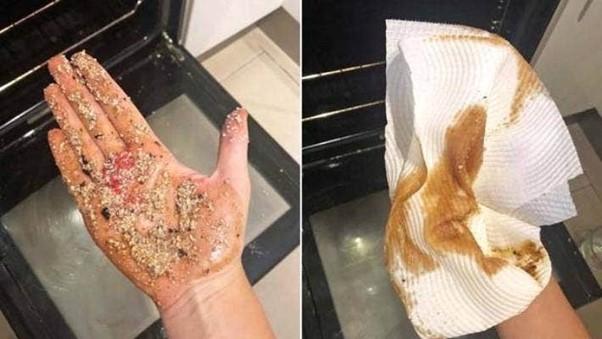
* I clean my glass oven door with ash from my firebox. I clean my firebox glass door the same. Wet newspaper dipped in ash, rub all over glass, dry with clean newspaper. Brings it back like brand new. Used tea bags are also good with the ash.
* Got a pot which is filthy disgusting? Put a dishwasher tablet in put enough boiling water in to cover the filth, stick a lid on and leave over night. Amazing results.
* Soak your filters from the kitchen rangehood extractor fans in warm water and clothes washing powder. Grease and oil just melts off with no scrubbing at all. Good as new!
* Here are two tips to save your money. Let oven warm up. Once warm, the oil stain on door turns soft, and it just wipes off. Tip 2, if it's been baked on for years you just need a sharp blade. You can use one of those window scrapers, but no liquid. Scrape it (when warm); grab a vacuum and suck up all the dust.
* To clean stainless steel tub. Get a tube of Autosol from Mitre 10 or similar and clean with that. Have done it and it works brilliantly. First used to restore chrome on vintage car (brilliant) so gave it a go and delighted at the outcome.
* Oil of cloves is brilliant on mould. Smells a bit like dentist for an hour but it kills mould spores. The chemist sells it fairly cheaply, or Trade Me.
* We run a motel and polish the stainless steel every day. You need three rags. First rag works Polaris paste into the stainless steel. You end up with a rag caked with the paste. Add a little water and mop it up with a second rag. Then with a third clean rag you buff up the surface. We cut up old worn-out towels into squares to make rags.
Other cleaners such as Jif and Chemco also work, but Polaris gives the best shine.
* I put my oven racks and rangehood filters in the dishwasher and let that do the hard work. As soon as the cycle has finished, I remove the racks one at a time, closing the washer door between each one to keep hot, and just wipe over each rack with a Scotchbrite scourer dipped in hot water. The remaining grease marks come off easily; no hard rubbing needed. For the filters, I just rinse them in hot water and give them a good shake to remove as much water as possible then stand them on one edge outside to dry. I do this every three months and clean-up is easy. Oh, and if my oven door glass has grimy grease-spots, I use a putty scraper. It doesn't scratch the glass and it works a dream.
IN THE BATHROOM
* Try using dishwash liquid to clean your bath and shower, including the glass.
* Dishwasher tabs get brown stains out of your toilet.
* To get those stains off toilet bowls, use a very, very fine wet and dry sandpaper.
* Razor blades/paint scraper blades are awesome for removing water stains from around your taps or tiles.
* For the shower, I use 30 Seconds water spot remover to clean first. Then use Rain-X water repellent (the car windscreen stuff). The water just beads off the glass and makes cleaning easier. Reapply the Rain-X every few months when the beading has reduced.
* Try a piece of pumice – free from the beach. Wet the door and clean it with the pumice. It does a brilliant job and is also good on burnt saucepans.
FIREPLACE
* Dirty logburner glass? Dip a wet cloth in the ashes. Scrub with that.

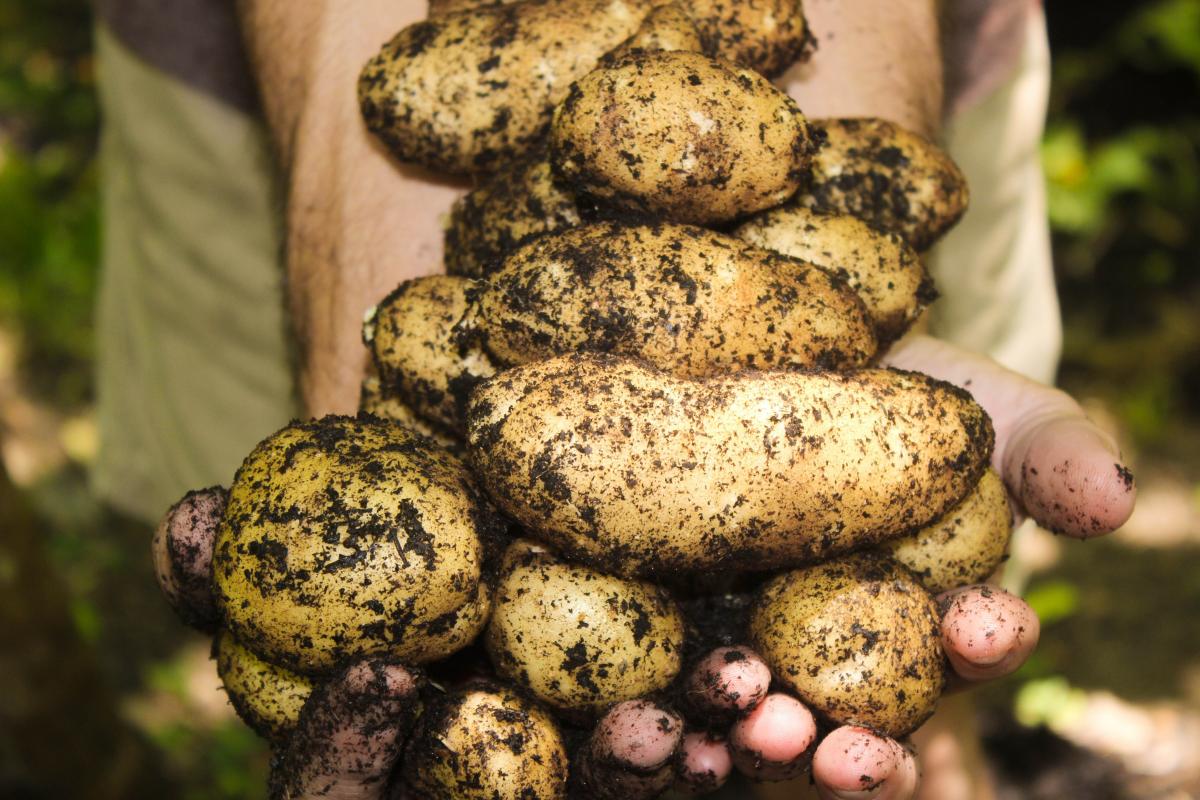
Share your favourite main crop potato recipe and win a copy of our mag!
Love potatoes? We will give away free copies of the May 2026 issue to readers whose potato recipes are used in our magazine. To be in the running, make sure you email your family's favourite way to enjoy potatoes: mailbox@nzgardener.co.nz, by March 1, 2026.

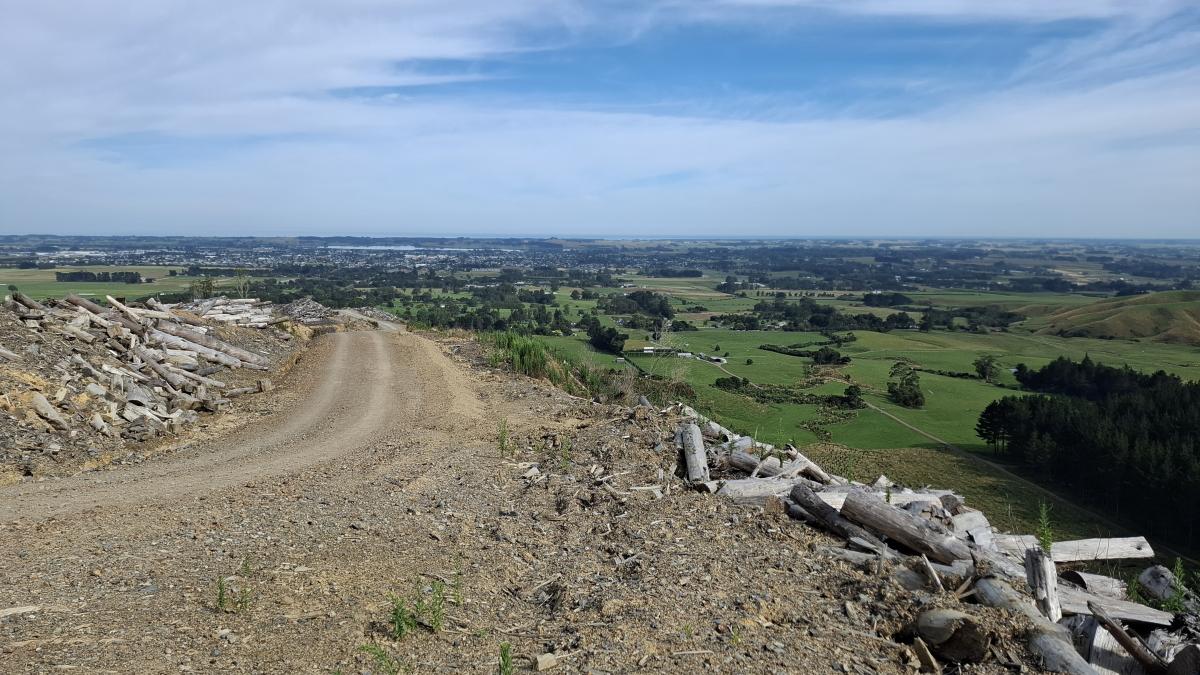
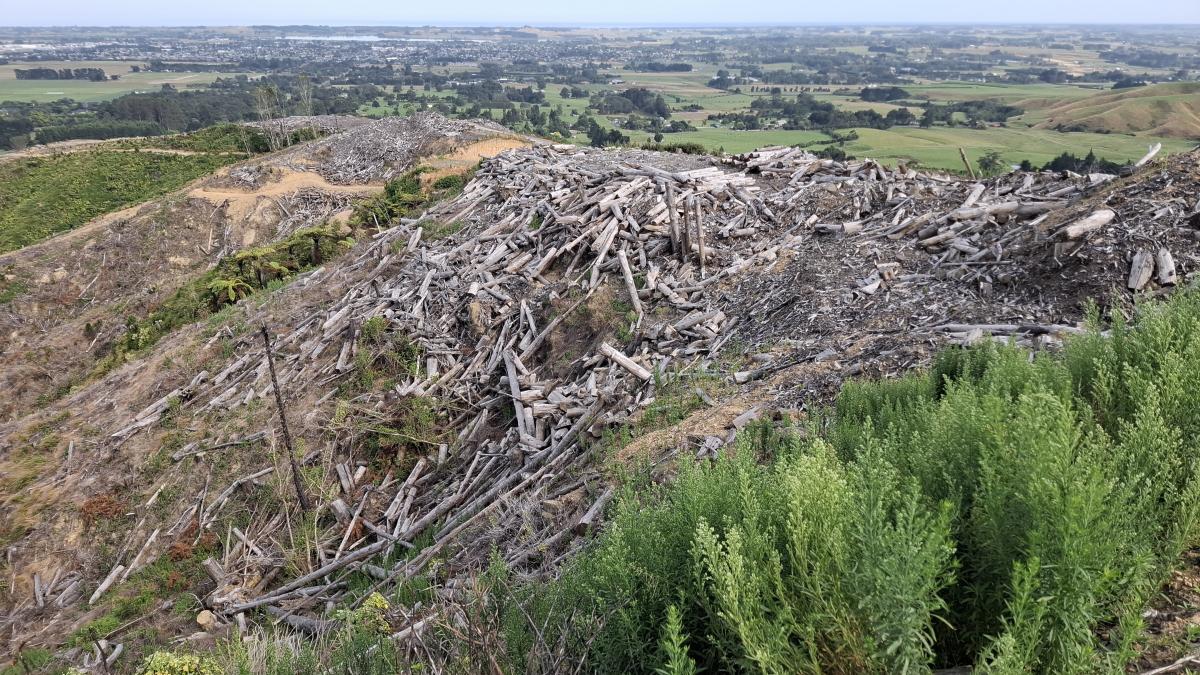
SLASH BESIDE THE TRACK UP TO TRIG
I question the wisdom and the morality of an industry which creates so much waste, waste which is also a cause of widespread and devastating damage. So, I searched the internet for potential uses of slash. It was easy to find.
I recommend a visit to nzbioforestry.co.nz. I quote from the website:
OUR SOLUTION:
NZ Bio Forestry proposes to develop a sustainable renewable forestry model that increases the economic value of the NZ- Aotearoa forestry sector, simply by integrating bio-technologies augmenting the forestry, wood manufacturing, and petrochemistry industries into one model.
Specifically, our strategy is to utilise the whole tree and convert the tree’s sugars into bioenergy, biomaterials, and biochemicals. This means using slash, off cuts, pruning, and wood waste to produce biofuel via bio pellets and biochemicals. It means optimising logs through the whole process….logging, manufacturing freighting, and refining process to serve the many Asia-Pacific markets with high-value products….not just exporting raw logs to one or two large dominant markets! (End of quote)
NZ Bio Forestry then contrasts the financial return from the present exports of raw logs with the potential return from utilising the WHOLE TREE.
In US dollars, the return from exporting logs is between $50 - $140 per log.
Using the whole tree including the slash and other waste for wood processing would return $200 - $800 per tree, and,
Using the bio-refinery process to convert the wood waste into fossil-free biochemicals would return $2,500 - $11,200 per tree.
I can’t help but conclude that our current focus on exporting logs is a pitiful failure of industry and government policy compared with the potential benefits of processing THE WHOLE TREE. And to complete the argument, this not just theory. In Scandinavia, SCA, which owns Europe’s largest private forest with 2.7 million hectares, has built a well-invested value chain that maximises the value of each individual tree and all of the forestry’s resources.
A SUMMARY OF POTENTIAL ADDITIONAL PRODUCTS:
Wood Pellets and Chips: Slash can be collected, dried, and processed into hog fuel or wood pellets for use in industrial boilers, as a replacement for coal, to generate heat and electricity.
Biofuel Production: Research is underway to convert forest residues into marine biofuel to help decarbonize the shipping sector.
Gasification: Advanced, small-scale, on-site processing plants can turn slash into renewable energy products like bio-oil, ethanol, and hydrogen.
Biochemicals: Specialized refineries can convert woody waste into sustainable alternatives to plastics, chemicals, and industrial products.
WAKE UP Aotearoa, New Zealand!!!

🧩😏 Riddle me this, Neighbours…
I am an odd number. Take away a letter and I become even. What number am I?
Do you think you know the answer?
Want to stop seeing these in your newsfeed? No worries! Simply head here and click once on the Following button.

 Loading…