






SPF your house over summer
When those super hot summer days and nights eventually come around, all you will want is a safe haven to save you from the heat. These are a few steps you can take to stay cool when the weather heats up.
• Make sure your ceilings are insulated - insulation can help keep out the suns heat
• Set your ceiling fans to rotate anti-clockwise.
• Turn your fans around, face them towards an open window so they can blow the hot air out of the house. Fill a mixing bowl with ice (or something equally cold, like an ice pack), and position it at an angle in front of a large fan so the air whips off the ice in an extra-chilled, extra-misty state. Trust us: It’s magic.
• If you have a heat pump, try out the fan-only or dehumidifier options to cool your house. They use less power than air conditioning and are still effective.
• Keep the windows open overnight and then close them in the morning to try and hold in the cold air.
• Install safety catches on your windows so you can leave them open all day, even when you're out.
• Close blinds or curtains to keep sunlight out during the hottest hours of the day, especially on windows that get direct sun. Some blinds are designed to let you see out, but still block most of the direct UV rays. As simple as this tip may seem, closing your curtains and blinds essentially prevents your home from becoming a miniature greenhouse.
• Turn off unnecessary lights and electrical appliances – this reduces a home's heat load.
• When cooking, keep windows open, put lids on saucepans and use an extractor fan to reduce steam and heat.
• Ventilate – keep doors or windows open at opposite ends of the house to create a through-draught, or cross ventilation.
• Closing off unused rooms will prevent cool air from permeating these areas during the hottest part of the day. You’ll want to capitalize on the cooler night hours, too, letting air flow naturally through your home.
• Start the barbie - It’s obvious, but we’re going to say it anyway: using your oven or stove in the summer will make your house hotter. If it already feels like 50 degrees in your home, the last thing you want to do is turn on an oven.
• Make a few long-term improvements - you can make a couple changes to your home that will keep it cooler for seasons to come. Insulated window films, for example, are a smart purchase as they work similarly to blinds. And additions like awnings and planting trees or vines near light-facing windows will shield your home from the sun’s rays, reduce the amount of heat your home absorbs and make your investment even more worthwhile.
Hopefully these were of some use to you, and if you have anything to add or any comments please do below!


Poll: If we want to reduce speeding, what do you think actually changes driver behaviour? 🛻🚨🚓
In the Post's article on speeding penalties, the question is asked whether speeding fines are truly about road safety, or are they just a way to boost revenue for the Crown?
What do you think? Should speeding motorists receive speeding fines or demerit points?

-
40.7% The sting of a fine (Money talks!)
-
59.3% The threat of demerit points (Nobody wants to lose their license!)

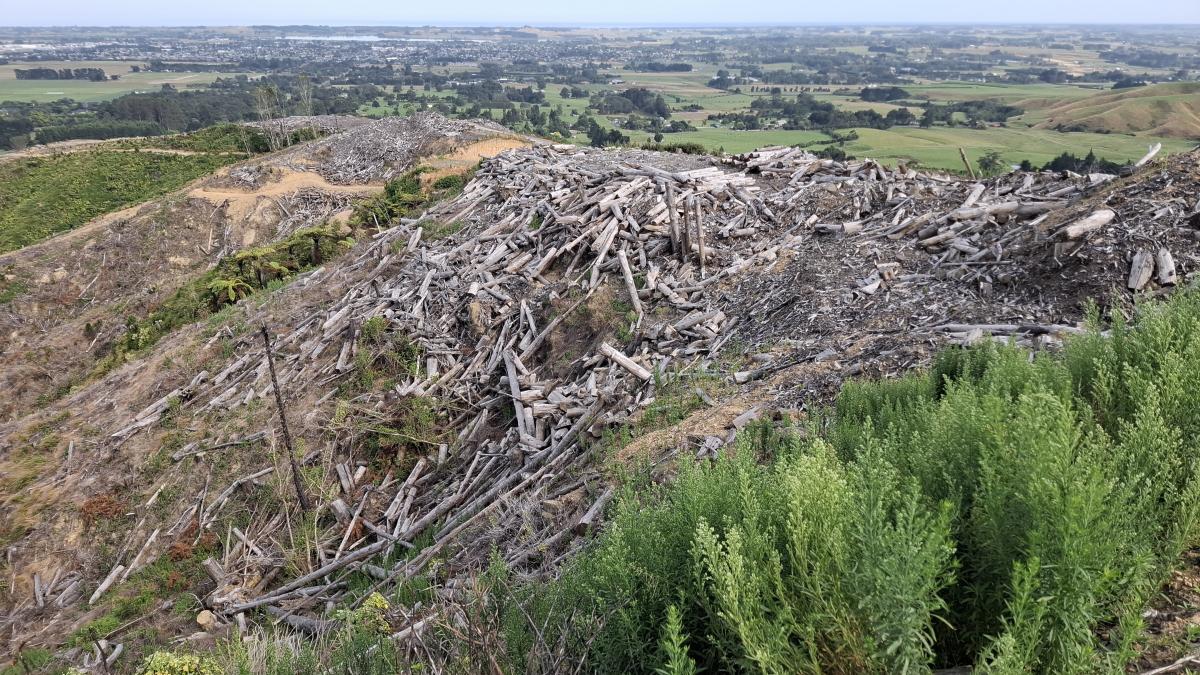
SLASH BESIDE THE TRACK UP TO TRIG
I question the wisdom and the morality of an industry which creates so much waste, waste which is also a cause of widespread and devastating damage. So, I searched the internet for potential uses of slash. It was easy to find.
I recommend a visit to nzbioforestry.co.nz. I quote from the website:
OUR SOLUTION:
NZ Bio Forestry proposes to develop a sustainable renewable forestry model that increases the economic value of the NZ- Aotearoa forestry sector, simply by integrating bio-technologies augmenting the forestry, wood manufacturing, and petrochemistry industries into one model.
Specifically, our strategy is to utilise the whole tree and convert the tree’s sugars into bioenergy, biomaterials, and biochemicals. This means using slash, off cuts, pruning, and wood waste to produce biofuel via bio pellets and biochemicals. It means optimising logs through the whole process….logging, manufacturing freighting, and refining process to serve the many Asia-Pacific markets with high-value products….not just exporting raw logs to one or two large dominant markets! (End of quote)
NZ Bio Forestry then contrasts the financial return from the present exports of raw logs with the potential return from utilising the WHOLE TREE.
In US dollars, the return from exporting logs is between $50 - $140 per log.
Using the whole tree including the slash and other waste for wood processing would return $200 - $800 per tree, and,
Using the bio-refinery process to convert the wood waste into fossil-free biochemicals would return $2,500 - $11,200 per tree.
I can’t help but conclude that our current focus on exporting logs is a pitiful failure of industry and government policy compared with the potential benefits of processing THE WHOLE TREE. And to complete the argument, this not just theory. In Scandinavia, SCA, which owns Europe’s largest private forest with 2.7 million hectares, has built a well-invested value chain that maximises the value of each individual tree and all of the forestry’s resources.
A SUMMARY OF POTENTIAL ADDITIONAL PRODUCTS:
Wood Pellets and Chips: Slash can be collected, dried, and processed into hog fuel or wood pellets for use in industrial boilers, as a replacement for coal, to generate heat and electricity.
Biofuel Production: Research is underway to convert forest residues into marine biofuel to help decarbonize the shipping sector.
Gasification: Advanced, small-scale, on-site processing plants can turn slash into renewable energy products like bio-oil, ethanol, and hydrogen.
Biochemicals: Specialized refineries can convert woody waste into sustainable alternatives to plastics, chemicals, and industrial products.
WAKE UP Aotearoa, New Zealand!!!


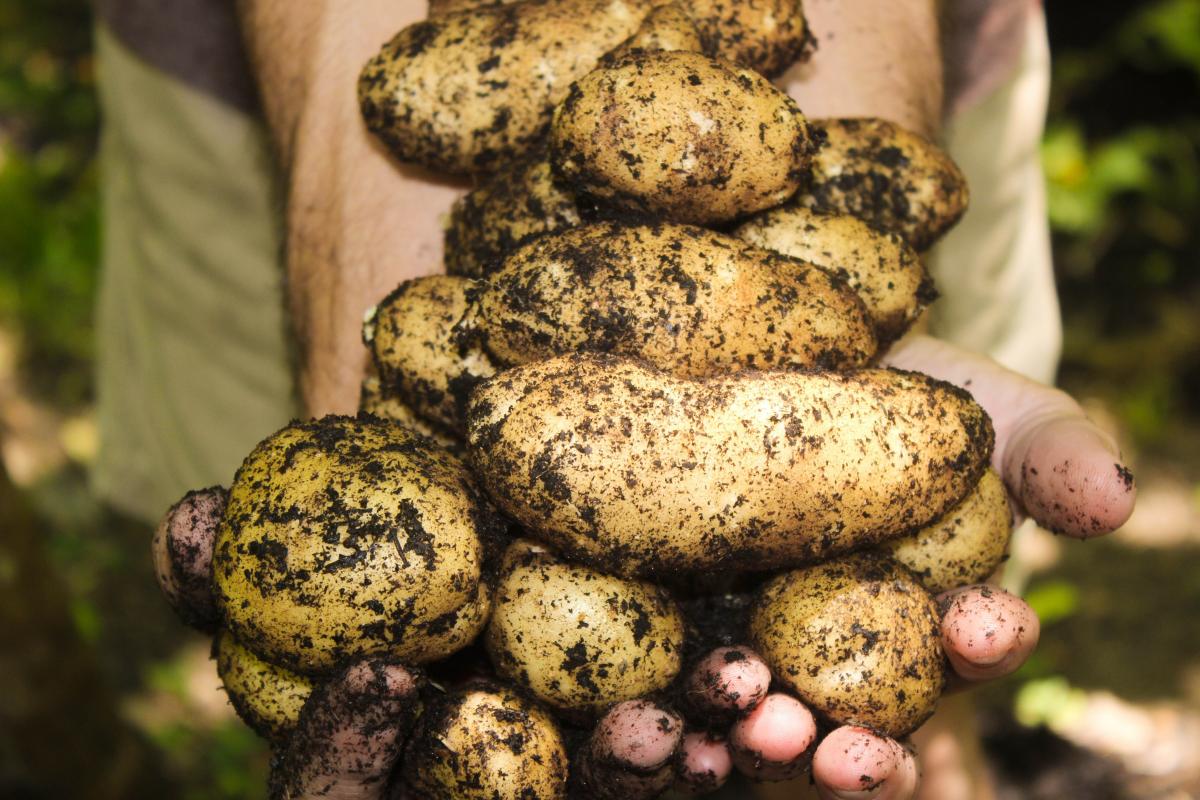
Share your favourite main crop potato recipe and win a copy of our mag!
Love potatoes? We will give away free copies of the May 2026 issue to readers whose potato recipes are used in our magazine. To be in the running, make sure you email your family's favourite way to enjoy potatoes: mailbox@nzgardener.co.nz, by March 1, 2026.
 Loading…