





Wool is 100% Biodegradable
HOW DOES WOOL BIODEGRADE?
All materials of animal and vegetable origin have some degree of biodegradability, meaning that they are capable of being decomposed by the action of living organisms, such as fungi and bacteria. Wool is composed of the natural protein keratin, which is similar to the protein that makes up human hair. When keratin is broken down naturally by microorganisms, the products do not pose any environmental hazard.
WOOL READILY BIODEGRADES IN MOIST, WARM CONDITIONS
On disposal, if wool is kept warm and moist or buried in soil, fungal and bacterial growths develop which produce enzymes that digest wool. On the other hand, thanks to the unique chemical structure of keratin and wool’s tough, water-repellent outer membrane, clean and dry wool fibres do not readily degrade. This allows wool products to be resilient and long-lasting in normal conditions.
WOOL BIODEGRADES QUICKLY
Wool biodegrades readily in as little as three to four months but the rate varies with soil, climate and wool characteristics. This releases essential elements such as nitrogen, sulphur and magnesium back to the soil, able to be taken up by growing plants. Some studies found more rapid degradation after only four weeks’ burial in soils. Research has shown that processing treatments such as dyeing and anti-shrink treatment can affect the rate of biodegradation in soil, causing an increase in the initial resistance of wool fabric to degradation. However, this is a short-term effect, typically not persisting beyond eight weeks.
WOOL RETURNS ESSENTIAL NUTRIENTS TO THE SOIL
On burial in soil, wool becomes a slow-release fertiliser providing nutrients for uptake and growth by other organisms. Some have even used wool fertiliser to foster herb and vegetable growth. This is known as natural closed loop recycling; restoring the initial inputs of soil and grass. Other beneficial effects of adding wool to soils include enhanced water holding capacity, improved water infiltration, soil aeration and reduced erosion. Ground-up wool carpet, when used as a fertiliser, increased the dry matter yield of grass growth by 24% to 82%.
WOOL DOES NOT ADD TO LANDFILL VOLUMES OR MICROFIBRE POLLUTION
Natural fibres biodegrade naturally in a relatively short period in soils and aquatic systems and therefore do not accumulate in landfill and oceans. Results from a University of Canterbury study demonstrate that wool degrades in a marine environment. In contrast, synthetic textiles persist for many decades and can disintegrate to small fragments. Commonly known as microplastics, or microfibres when less than 5mm in diameter, these fragments accumulate in aquatic environments and land disposal sites where they have negative effects on ecosystems when consumed by organisms. A single polyester fleece garment can produce more than 1900 fibres per wash. Ingestion has a negative impact on organisms, sometimes causing death through starvation as plastic replaces food in the stomach. Once in the food chain, microplastics potentially also affect human health via seafood consumption.
At Curtain Clean we are all about minimising waste and reducing the amount of uncompostable materials going into landfill. Keep in mind that a lot of fabrics can be washed and don't need to be thrown away! Call us on 07 579 0501 if you have something you'd like cleaned, we can treat almost all fabrics.


Poll: If we want to reduce speeding, what do you think actually changes driver behaviour? 🛻🚨🚓
In the Post's article on speeding penalties, the question is asked whether speeding fines are truly about road safety, or are they just a way to boost revenue for the Crown?
What do you think? Should speeding motorists receive speeding fines or demerit points?
-
30.2% The sting of a fine (Money talks!)
-
69.8% The threat of demerit points (Nobody wants to lose their license!)

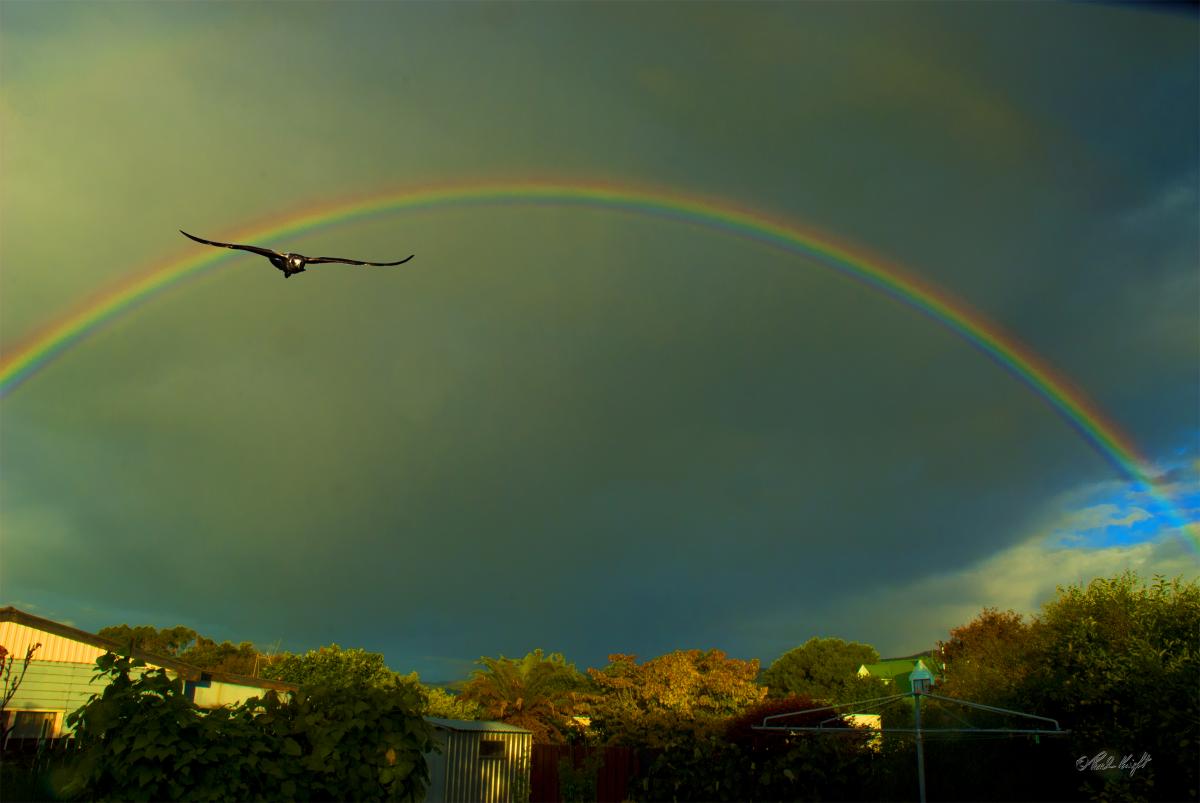
Harrier Hawk 0823
Harrier Hawks seem to have flight routines. It was not uncommon to see one flying southwards over Burn St from the Roslyn Rd area as this one was doing. I often wondered if it was always the same hawk but anyway I've not seen it happen recently.
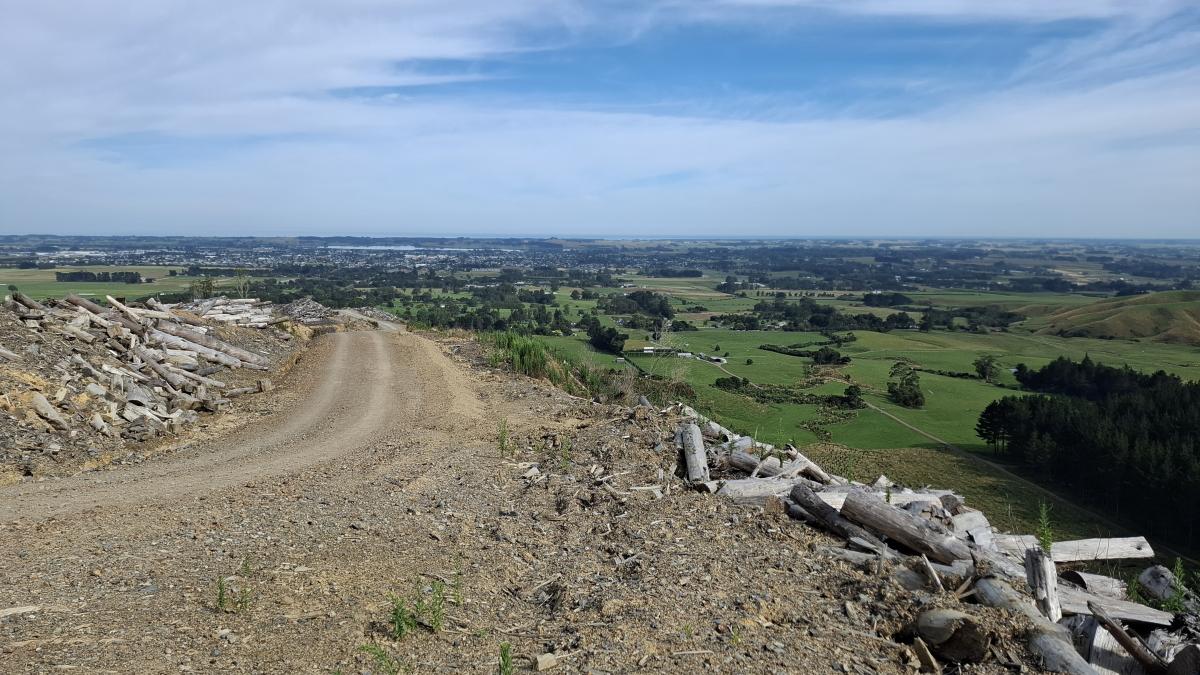
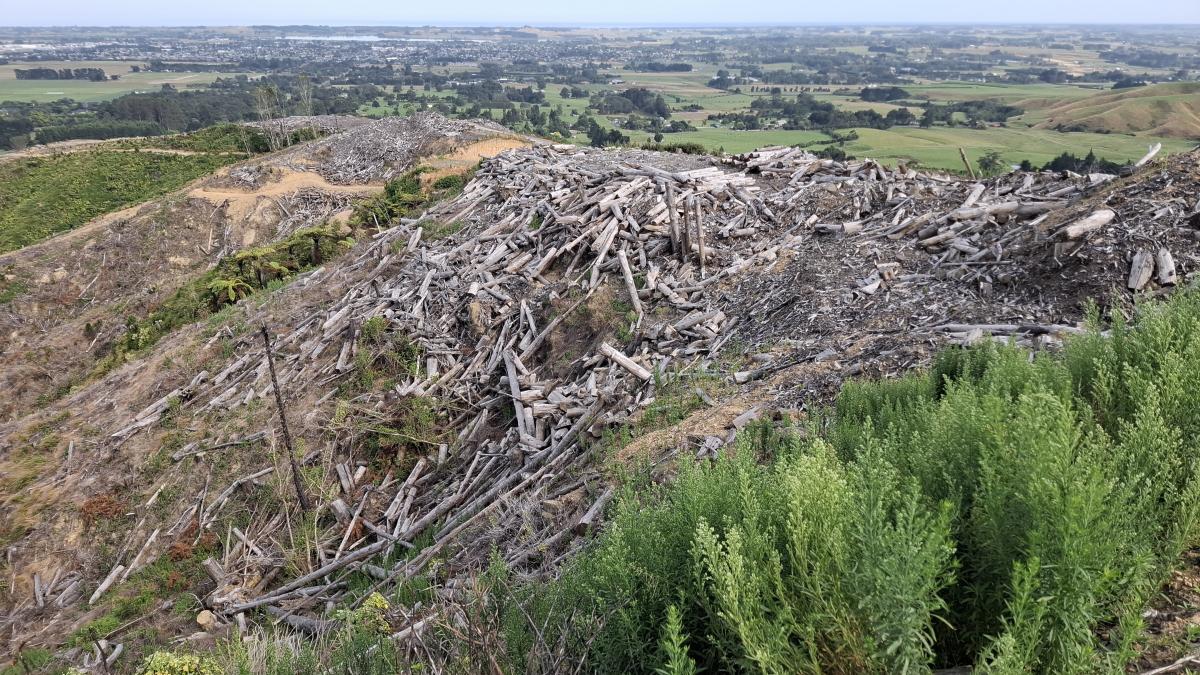
SLASH BESIDE THE TRACK UP TO TRIG
I question the wisdom and the morality of an industry which creates so much waste, waste which is also a cause of widespread and devastating damage. So, I searched the internet for potential uses of slash. It was easy to find.
I recommend a visit to nzbioforestry.co.nz. I quote from the website:
OUR SOLUTION:
NZ Bio Forestry proposes to develop a sustainable renewable forestry model that increases the economic value of the NZ- Aotearoa forestry sector, simply by integrating bio-technologies augmenting the forestry, wood manufacturing, and petrochemistry industries into one model.
Specifically, our strategy is to utilise the whole tree and convert the tree’s sugars into bioenergy, biomaterials, and biochemicals. This means using slash, off cuts, pruning, and wood waste to produce biofuel via bio pellets and biochemicals. It means optimising logs through the whole process….logging, manufacturing freighting, and refining process to serve the many Asia-Pacific markets with high-value products….not just exporting raw logs to one or two large dominant markets! (End of quote)
NZ Bio Forestry then contrasts the financial return from the present exports of raw logs with the potential return from utilising the WHOLE TREE.
In US dollars, the return from exporting logs is between $50 - $140 per log.
Using the whole tree including the slash and other waste for wood processing would return $200 - $800 per tree, and,
Using the bio-refinery process to convert the wood waste into fossil-free biochemicals would return $2,500 - $11,200 per tree.
I can’t help but conclude that our current focus on exporting logs is a pitiful failure of industry and government policy compared with the potential benefits of processing THE WHOLE TREE. And to complete the argument, this not just theory. In Scandinavia, SCA, which owns Europe’s largest private forest with 2.7 million hectares, has built a well-invested value chain that maximises the value of each individual tree and all of the forestry’s resources.
A SUMMARY OF POTENTIAL ADDITIONAL PRODUCTS:
Wood Pellets and Chips: Slash can be collected, dried, and processed into hog fuel or wood pellets for use in industrial boilers, as a replacement for coal, to generate heat and electricity.
Biofuel Production: Research is underway to convert forest residues into marine biofuel to help decarbonize the shipping sector.
Gasification: Advanced, small-scale, on-site processing plants can turn slash into renewable energy products like bio-oil, ethanol, and hydrogen.
Biochemicals: Specialized refineries can convert woody waste into sustainable alternatives to plastics, chemicals, and industrial products.
WAKE UP Aotearoa, New Zealand!!!
 Loading…